
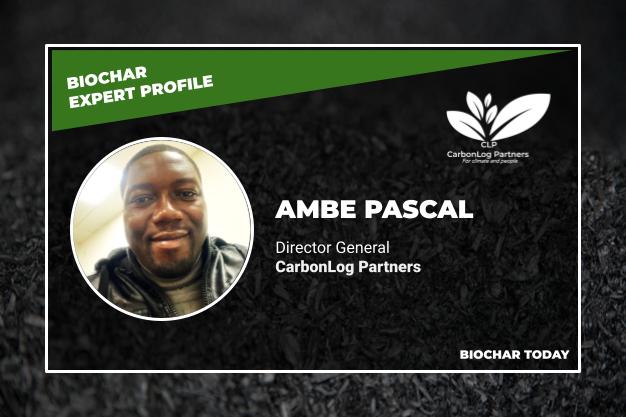
This is the fifth in a new series of Biochar Expert Profiles, where we celebrate those who have dedicated their passion, expertise, and innovation to advancing the field of biocharBiochar is a carbon-rich material created from biomass decomposition in low-oxygen conditions. It has important applications in environmental remediation, soil improvement, agriculture, carbon sequestration, energy storage, and sustainable materials, promoting efficiency and reducing waste in various contexts while addressing climate change challenges. More. These experts come from all walks of life: renowned scientists whose groundbreaking research has redefined possibilities, emerging researchers whose fresh perspectives are shaping the future, industry leaders who are growing the market through new technologies and business models, and unsung heroes who work tirelessly to enrich soils with biochar. Whether it’s their pioneering techniques, insightful discoveries, or unwavering dedication, these individuals are the heart and soul of the biochar revolution. By highlighting their contributions and sharing their knowledge, this series aims to inspire the biochar community at large.
Ambe Pascal is a dynamic and accomplished biochar production expert, entrepreneur, and consultant with extensive experience in biomassBiomass is a complex biological organic or non-organic solid product derived from living or recently living organism and available naturally. Various types of wastes such as animal manure, waste paper, sludge and many industrial wastes are also treated as biomass because like natural biomass these More, pyrolysisPyrolysis is a thermochemical process that converts waste biomass into bio-char, bio-oil, and pyro-gas. It offers significant advantages in waste valorization, turning low-value materials into economically valuable resources. Its versatility allows for tailored products based on operational conditions, presenting itself as a cost-effective and efficient More, and industrial biochar operations. As the Director General of CarbonLog Partners in Cameroon, he leads innovative biochar production projects with a focus on sustainable agriculture, climate mitigation, and empowering smallholder farmers.
Ambe’s expertise spans defining process control parameters, scaling biochar production, optimizing operational methodologies, and delivering technical training. With a strong background in both artisanal and industrial biochar production, he has played pivotal roles in companies like DEMIO, The Next 150, and NetZero.
Passionate about the global biochar movement, Ambe actively shares insights on scaling production, fostering collaboration, and building awareness through public speaking and community engagement. He is committed to driving exponential growth in the biochar sector by advancing research and development while promoting sustainable practices.
Shanthi Prabha V: Ambe, every expert has an origin story. What sparked your initial fascination with biochar? Was there a particular moment, project, or realization that ignited your passion for this remarkable material?
Ambe Pascal: It all started in 2021 when I began a search to diversify my career in production. Fast-coming a biochar project was launched by Netzero in Cameroon, and I was part of the team, this to me was not just a project realization but a new beginning for a new venture for climate and people, as I was always open and eager to contributing at my maximum best,. This pioneering biochar project by Netzero Cameroon, the first of its kind in Africa in 2021 which I was part of the team, was a groundbreaking initiative which ignited a fire within me to learn more about this black gold for impact ventures that not only address climate change but could uplift communities, and address global world crisis, I must confess that I have fallen in love with the black gold to dig deeper and this has help me span my experience to impact many biochar projects realization across the world. Biochar isn’t just a product, I called it master black gold, it’s a powerful tool for carbon sequestration, soil Amendment sustainable agriculture, adding additional values to rural communities by improving livelihood, creating jobs and addressing waste management, pollution and other crisis. As I learn more about biochar benefits my commitment to this impact venture deepened, because my enough is not yet enough, I am making progress but need to do more to reach the scale envision. Few questions like What can you do to amplify your impact in the biochar industry? How can you collaborate with others within the biochar industry to drive more significant change? And What innovative solutions can you bring to the table to tackle the industry biggest challenges?
SP: You’ve seen biochar evolve from a niche interest to a potential climate solution. CarbonLog Partners is actively training thousands of smallholder farmers in biochar production. As the Director what’s the most significant shift you’ve observed in these communities as they adopt sustainable agriculture practices, both in terms of environmental impact and socioeconomic well-being?
AP: At carbonlog partners we are on a mission to tackle climate change, improve soil health and support small holders farmers by providing them with tools and building capacity skills to convert their organic farm waste into valuable solid carbon (Biochar) for sustainable agriculture and other benefits As we actively scale across communities through our programs , We are proud to share a mindset shift revolution with small holders farmers as there are actively making strides to be at the centre of change in their practices, in different occasions in their communities, ranging from village heads galvanizing their population for to benefits on carbonlog partners programs this has maintain a continuous significant shifts in communities adopting sustainable agriculture practices, and socioeconomic well-being, some strides key benefits we’re observing are as follows:-
- Environmental Stewardship: Our engage Communities are prioritizing methods that protect ecosystems, reduce carbon footprints, and promote biodiversity. By minimizing chemical usage and focusing on organic practices, small holder farmers are ensuring healthier soils and cleaner waterways.
- Economic Resilience: we are seeing the promotion of Sustainable practices that not only foster healthier communities but also enhance rural economies. Multiple support in local produce, residents are investing in their own neighborhoods, leading to increased job opportunities and economic stability.
- Food Security: Communities are now adopting sustainable agriculture practices that benefit from improved food access. Growing food locally, they reduce reliance on industrial agriculture, creating a more secure food supply chain that is less vulnerable to global disruptions and keeping more money in their pockets to contribute positively for rural development and family well-being.
- Healthier Lifestyles: With a focus on nutrient-rich, organic produce, communities are seeing a positive impact on public health. Access to fresh food reduces diet-related diseases and promotes better overall well-being.
- Social Empowerment: Many of our communities are already pushing for Sustainable practices that encourage collaboration among community members. Shared knowledge and resources helping to build stronger social ties and empower small holder farmers, especially those from underserved backgrounds.
- Education and Awareness: Transitioning to sustainable agriculture requires education and capacity building training. As we engage with our communities to invest in knowledge-sharing and skills development, with our programs, we empower individuals to make informed decisions that benefit both the environment and their livelihoods.
SP: Beyond just carbon sequestration, what’s the most unexpected or surprising benefit of biochar you’ve encountered in your work, something that might even surprise seasoned biochar enthusiasts?
I must confess to you that as days go by, the is an additional addiction, love, and passion binding me and this black gold beyond explanation. Many self trials and innovative struggles at the center to help scale and share to help other startups within the industry span in the shortest intervals to meet demand. Besides the many benefits or wonders of biochar I can tell you i realized this ones that I am about mentioning need more attention too. As a biochar enthusiasts, I can tell you that biochar is more than just a carbon sequestration tool—it’s a powerhouse with some surprising benefits that can truly transform our agricultural practices, few unexpected advantages that could change the game. Beyond carbon sequestration, biochar is a multifaceted powerhouse, revolutionizing agriculture and environmental management. It enhances soil health and water retention, remediates heavy metal contamination, and even reduces methane emissions from livestock. Biochar’s ability to balance soil pHpH is a measure of how acidic or alkaline a substance is. A pH of 7 is neutral, while lower pH values indicate acidity and higher values indicate alkalinity. Biochars are normally alkaline and can influence soil pH, often increasing it, which can be beneficial More, neutralize odors, and minimize pesticide use, coupled with its role in waste management and bioenergy production, offers a holistic approach to sustainable development. Moreover, its production can stimulate rural economies, create jobs, and foster innovation, making it a critical tool for addressing climate change and food security challenges. This few highlights could add more value for new startup action plan
SP: What are the key challenges currently hindering the widespread adoption of biochar, and what innovative solutions are you seeing emerge?
AP: As we happily push and observed the growth of biochar industry by industry experts and Biochar gaining recognition for its benefits in carbon sequestration, soil enhancement, sustainable agriculture and climate change mitigation. However, several challenges hinder its widespread adoption and key obstacles with innovative solutions to propel biochar into the mainstream. As part of the industry Expert I find the following Challenges in Biochar Adoption. Despite its numerous benefits, the biochar industry faces significant hurdles. Lack of awareness among potential users, including governments, agro-industries, and farmers, hinders widespread adoption. High production costs and inconsistent quality due to varying methods deter new producers and raise effectiveness concerns. Additionally, navigating complex and diverse environmental regulations across different countries poses a substantial challenge for biochar production and market expansion
Innovative Solutions to expectations: To overcome hurdles like lack of awareness and high production costs, comprehensive educational campaigns and targeted subsidies are essential. Standardizing quality metrics and fostering collaborative research with universities will ensure consistency and drive innovation. Developing cost-effective production techniques, like community-based pyrolysis systems, can increase accessibility. Advocating for supportive policies and establishing quality certification through industry leaders like IBI and EBI will build trust and facilitate wider adoption, ultimately streamlining the biochar industry and maximizing its positive impacts.
SP: You’ve worked with biochar in diverse contexts. If you could design an optimized biochar for a specific, high-impact application—say, urban agriculture or water filtration—what key properties would it possess, and how would you engineer it?
AP: In view of priority of needs depending on methodologies and process operations specification define per objective of biochar used of characterization output, example agriculture special attention to characterization and upgrades performance per system technological type is highly needed for better quality control from upstream to downstream optimization of system output which involves, Carbon content, pore size, hydrogen to carbon ratio, heavy metal content, nutrient content, particle size etc. This are some characteristics of biochar due to quality process operation protocol standards setting from upstream to downstream production, in respects to meet high impact application output define per inputs type of feedstockFeedstock refers to the raw organic material used to produce biochar. This can include a wide range of materials, such as wood chips, agricultural residues, and animal manure. More and per quality vary specifications.
When I talk of mother operating parameters I am referring to a step by step protocol definition of, operating Pyrolysis temperature, Heating rate, Resident- time, flow-rate and particle sizes which must be fully define for every quality control process. This protocols also take in to immediate action of all safety standards definitions to quality control to protect environmental hazards and human.
SP: Many people are interested in making biochar at home or on a small scale. What’s the most common mistake you see beginners make, and what’s your top ‘golden rule’ for successful small-scale biochar production? Can you explain any of your experience concerning this?
AP: In what has become a global Biochar revolution for sustainable agriculture and climate-change mitigation, we have witnessed many small scale biochar producers who wish to contribute positively for a sustainable green future through biochar production face with multiple challenges to scale due to mistake. In my opinion biochar production start with passion for climate solutions and people.
Below are my 9 golden guides for every biochar beginner. Before your biochar project review these points:
1.Understand the Purpose: Clearly define the goals and objectives of your biochar production project, Are you aiming to improve soil fertility, reduce greenhouse gas emissions, or explore alternative energy sources? Identifying your purpose will guide your project planning.
2. Assess Feedstock Availability: Determine the type and quantity of biomass feedstock available for biochar production. Consider local sources such as agricultural waste, forestry residues, or organic byproducts. Assessing feedstock availability will influence your production capacity and logistics.
3.Choose the Right Technology: Explore various biochar production technologies like pyrolysis, gasificationGasification is a high-temperature, thermochemical process that converts carbon-based materials into a gaseous fuel called syngas and solid by-products. It takes place in an oxygen-deficient environment at temperatures typically above 750°C. Unlike combustion, which fully burns material to produce heat and carbon dioxide (CO2), gasification More, or kiln systems. Each has its own advantages and considerations. Select a technology that aligns with your project goals, available resources, and desired biochar properties.
4.Secure necessary permits: Check local regulations and obtain permits for biochar production activities. Compliance with environmental and safety standards is crucial to ensure a smooth and legally sound operation.
5. Collaborate with stakeholders: Engage with local communities, farmers, and potential end-users of biochar. Building partnerships and educating stakeholders about the benefits of biochar can create a supportive network for your project.
6. Plan for quality control: Establish protocols for quality control and product testing. Consistent upgrades production standards will ensure the biochar meets desired specifications and can be marketed effectively.
7. Ensure Environmental Compliance: Before initiating your project, understand and comply with relevant environmental regulations and permits. Biochar production involves high temperatures and emissions, so it’s crucial to adhere to safety standards and minimize environmental impact.
8. Evaluate Market Potential: Assess the demand and market potential for biochar in your region. Identify potential customers such as farmers, gardeners, or carbon sequestration initiatives. Understanding the market dynamics will help you strategize your production and distribution plans.
9.Establish Partnerships: Collaborate with research institutions, local communities, and industry experts. Building partnerships can provide valuable insights, access to resources, and support for your biochar production project.
Aligning this points with must beginners will help cut mistakes at many levels of their project.
SP: The biochar industry is buzzing with new research and technologies. What’s one emerging trend or innovation that you’re particularly excited about, and how do you see it shaping the future of biochar?
AP: With a surge in research and innovative technologies, we’re witnessing a booming landscape that is set to revolutionize agriculture, carbon capture, and renewable energy. One emerging trend I’m particularly thrilled about is the integration of biochar in regenerative agriculture. Using biochar in improving soil health, enhancing water retention, and sequestering carbon, makes biochar not just a product, but it’s a game-changer for sustainable farming practices!
Biochar has proven beyond doubt to researchers who explore diverse feedstocks and production methods, the potential to customize biochar properties for specific soil types and crop needs is expanding with amazing results. This means we can tailor solutions that boost yields while also benefiting the environment.
My takeaway points from these positive trends are as follows: Innovative production techniques are being developed to produce quality biochar more efficiently, resulting in lower costs and greater accessibility for smallholder farmers and businesses. Notably, the increase in low-tech innovations is helping scale biochar adoption in rural communities without solely relying on high-tech solutions, which can be prohibitively expensive for smallholders. Enhanced soil health is another crucial benefit, as research continues to demonstrate how biochar improves soil properties, promoting better crop yields and supporting sustainable agriculture—a win-win for both the environment and food security. In the same vein, biochar campaigns and educational initiatives have multiplied across continents, with many countries now actively integrating biochar practices into their agricultural strategies. Carbon sequestration is also gaining recognition, as the positive impact of biochar on carbon capture becomes more apparent. Beyond enhancing soil health, biochar offers a powerful solution for reducing carbon footprints, which large companies and corporations are increasingly adopting to meet sustainability goals. Furthermore, the growing focus on waste-to-energy processes is proving to be a game changer by transforming agricultural waste, forestry residue, municipal waste, and domestic refuse into biochar. This not only addresses waste disposal challenges but also makes a meaningful contribution to soil and climate health. As awareness of biochar expands, new markets are emerging, presenting tremendous opportunities for innovation, investment, and community engagement, which underscores the increasing value of biochar as a viable and impactful solution across diverse sectors.
SP: Biochar’s impact on soil health is widely recognized, but how do you see biochar playing a role in the broader context of ecosystem restoration and biodiversity enhancement?
AP: As we explore innovative solutions for environmental sustainability, biochar stands out as a powerful tool for enhancing ecosystem health and protecting the rich tapestry of life on our planet. Fostering its use in different fronts became crucial for both ecosystem and biodiversity.
Habitat Creation– The porous structure of biochar provides a habitat for beneficial microorganisms, fostering biodiversity and promoting a thriving ecosystem.
Water Management– Biochar helps retain moisture in the soil, reducing the need for irrigation and supporting plant life during dry spells, which is crucial for maintaining biodiversity in changing climates.
Remediation of Polluted Soils– Biochar can absorb toxins and pollutants, helping to restore damaged ecosystems and making them habitable for various plant and animal species.
The positive effects of biochar continue for ecosystems and biodiversity.
SP: If you had to distill the essence of biochar’s potential into a single, compelling message for policymakers and investors, what would it be?
AP: If I could distill the essence of biochar potential into one powerful message, it would be this-
“Invest in biochar today for a sustainable tomorrow.’’
Biochar not only enhances soil health and boosts agricultural productivity but also plays a critical role in carbon sequestration, helping combat climate change. By turning waste materials into a valuable resource, we can create a circular economy that benefits farmers, the environment, and our communities for the people and the planet.
SP: Given your extensive experience, have you been involved in developing or refining any unique pyrolysis techniques or methods specifically designed to simplify sustainable biochar production for farmers? If so, could you share some insights into the key features and benefits of these approaches, particularly in making biochar more accessible and practical for on-farm use?
AP: As a passionate biochar promoter and an expert in biochar production, I have been at the center of many projects development, realization, and upgrades for great performance and quality biochar production, from high-tech to low-tech. Voluntary biochar production training programs to rural communities, and capacity building workshops, webinars on biochar promotion, and scaling.
I have also define successful biochar standards procedures and protocols that has simplify biochar practical production techniques. This include biochar, feedstock control protocols, health and safety policy, Risk Assessment, startup production procedure protocols, production checklist, quality control parameter procedure settings, updated monthly trainings capacity building to revamp performance and output quality objectives, continues testing and methodology,
Hour, daily, weekly, and monthly quality monitoring and tracking performance upgrade, continues technological performance evaluation to meet quality production standards. This has help to scale harness quality and more professionalism in my biochar journey and projects as a biochar expert.
SP: From your extensive experience, if you had to advise a young researcher and biochar aficionados who wants to specialize in biochar, what would be the best advice that you can give to them?
AP: Biochar profession is about passion for sustainability and innovation for a green future. Keeping this guides points could be of interest.
- Educate Yourself: Start by diving deep into the science behind biochar—understand its production processes, benefits, and applications. Follow relevant research, attend workshops, and engage with experts in the field.
- Get Hands-On Experience: Theory is essential, but practical experience is invaluable. Participate in biochar production projects or collaborate with local farmers to see how biochar is utilized in real-world applications.
- Network with Industry Professionals: Join biochar associations, attend conferences, and connect with professionals in agriculture, sustainability, and environmental science. Building a network will provide insights and potential collaboration opportunities.
- Focus on Research and Innovation: Biochar is a growing field with plenty of room for innovation. Explore new methods of production, application, and integration into existing agricultural practices. Your unique contributions can make a significant impact
- Stay Updated on Regulations and Market Trends: As biochar gains popularity, regulations and market dynamics will evolve. Stay informed to capitalize on opportunities and ensure compliance as you grow your expertise.
- Advocate for Education and Awareness: Many people are still unfamiliar with biochar and its benefits. Be a voice for education and awareness in your community to promote its adoption.
SP: Biochar is often discussed in the context of global challenges like climate change and food security. If you could envision a future where biochar plays a central role, what does that world look like, and how do we get there?
AP: As we confront the dual challenges of climate change and food security, biochar emerges as a powerful ally. the future of biochar is bright and essential for achieving a sustainable balance between addressing climate change and ensuring food security.
I call on all biochar enthusiasts to champion this incredible resource and work together for a sustainable future where biochar could be an independent industry like others
Thank you very much for being part of the biochar industry yesterday, today, tomorrow and the future a green world is possible where small holder farmer play a vital role for climate and people.



Leave a Reply