
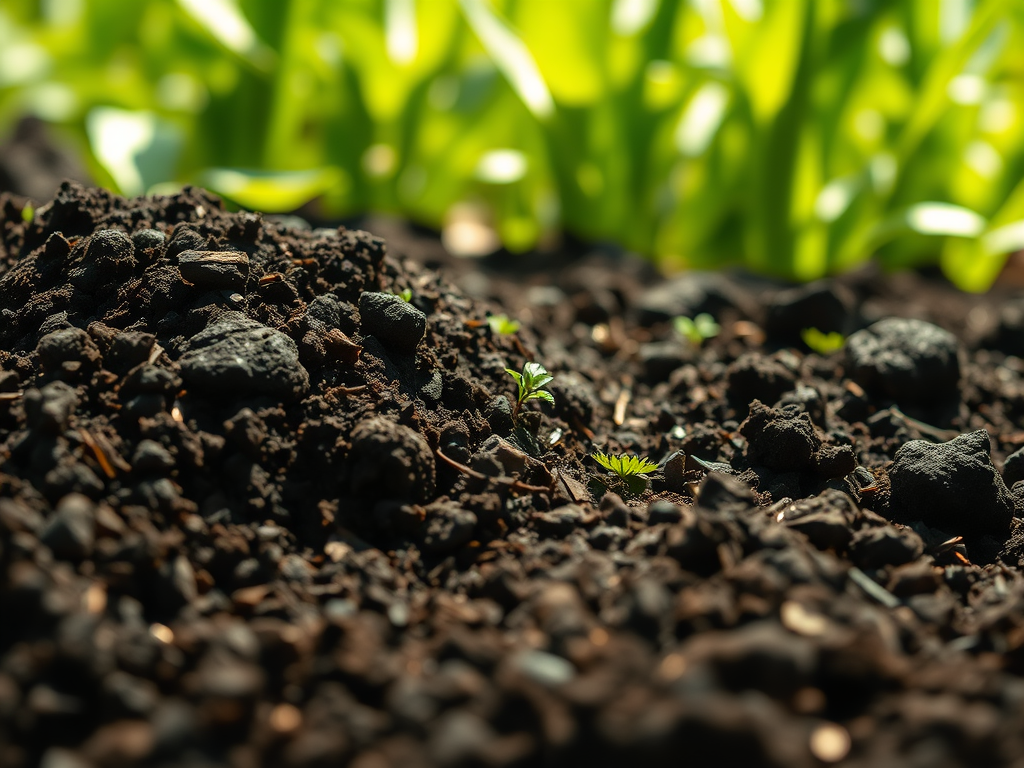
In their comprehensive review published in the Journal of Environmental Treatment Techniques, Ponraj et al., discuss the potential of biocharBiochar is a carbon-rich material created from biomass decomposition in low-oxygen conditions. It has important applications in environmental remediation, soil improvement, agriculture, carbon sequestration, energy storage, and sustainable materials, promoting efficiency and reducing waste in various contexts while addressing climate change challenges. More to address soil degradation and climate change. Biochar is a carbon-rich material produced through the pyrolysisPyrolysis is a thermochemical process that converts waste biomass into bio-char, bio-oil, and pyro-gas. It offers significant advantages in waste valorization, turning low-value materials into economically valuable resources. Its versatility allows for tailored products based on operational conditions, presenting itself as a cost-effective and efficient More of biomassBiomass is a complex biological organic or non-organic solid product derived from living or recently living organism and available naturally. Various types of wastes such as animal manure, waste paper, sludge and many industrial wastes are also treated as biomass because like natural biomass these More, a process that involves heating organic matter in the absence of oxygen. The authors highlight biochar’s ability to improve soil health, remediate contaminated soils, and contribute to long-term carbon storage.
Biochar’s effectiveness stems from its chemical properties, including its high surface area, porosityPorosity of biochar is a key factor in its effectiveness as a soil amendment and its ability to retain water and nutrients. Biochar’s porosity is influenced by feedstock type and pyrolysis temperature, and it plays a crucial role in microbial activity and overall soil health. Biochar More, and cation exchange capacity. These properties enable biochar to enhance soil fertility, reduce greenhouse gas emissions, and immobilize heavy metals and organic pollutants. The authors emphasize the potential of biochar to mitigate climate change by sequestering carbon in soils for centuries. The authors also discuss the potential of biochar to improve water retention in soils. By modifying soil structure and enhancing aggregation, biochar increases porosity and aeration, which are critical for root development and microbial activity. In sandy soils, biochar increases water-holding capacity by 20–30%, mitigating drought stress. In clayey soils, biochar prevents compaction and enhances drainage, reducing the risk of waterlogging and root suffocation
The review also discusses the challenges related to biochar production, application, and long-term impacts, which require further research. Despite these challenges, biochar is recognized as a promising tool for sustainable environmental management.
SOURCE:Ponraj, M., Murugan, A., & Alagendran, S. (2024). The role of biochar in soil remediation and carbon sequestration. Journal of Environmental Treatment Techniques, 12(2), 27–32.





Leave a Reply