

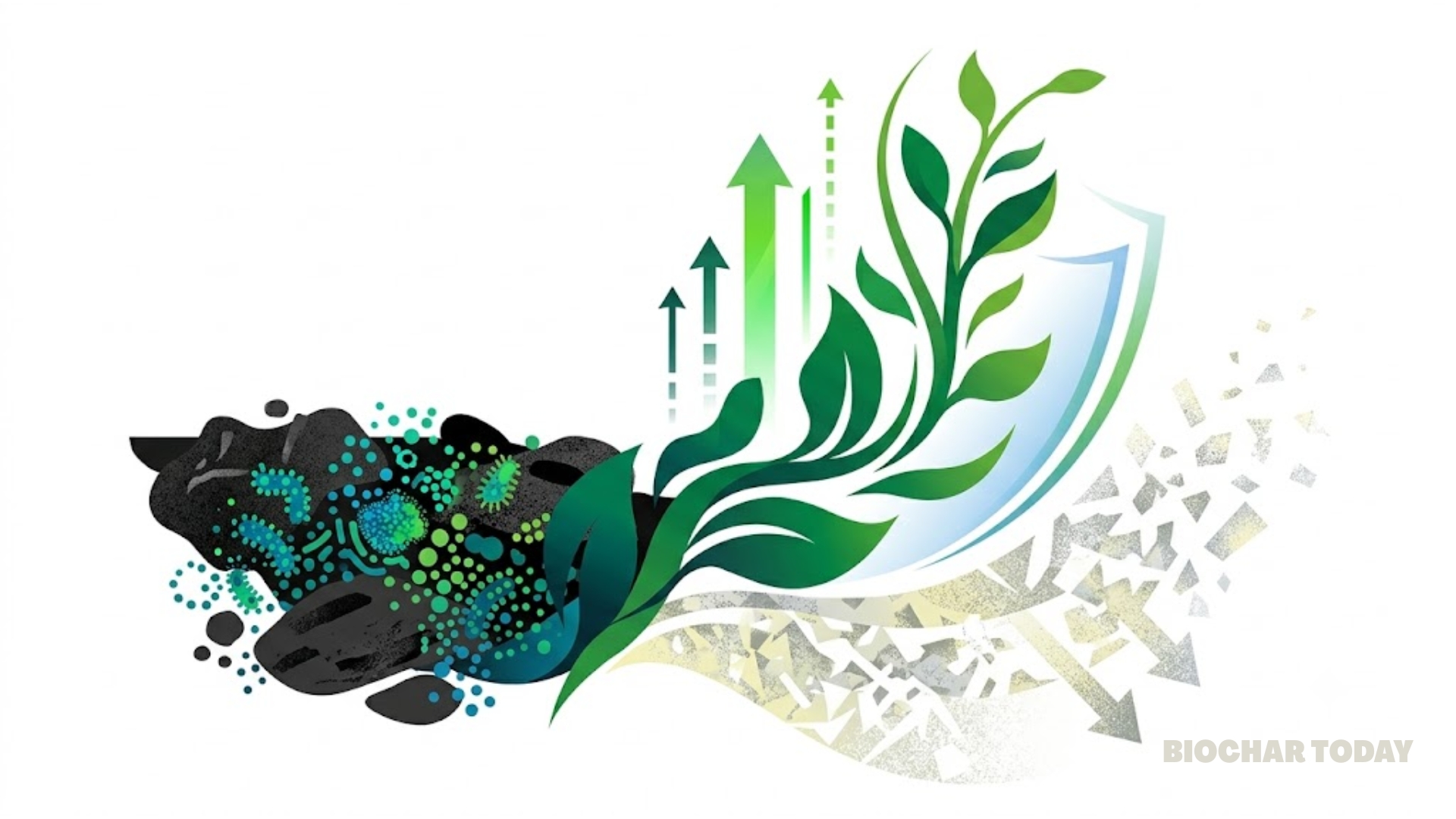
This video features the work of Josh at Desert Gardens Homestead in Arizona, USA, demonstrating a critical technical phase in regenerative land management: the biological activation of bone biocharBiochar is a carbon-rich material created from biomass decomposition in low-oxygen conditions. It has important applications in environmental remediation, soil improvement, agriculture, carbon sequestration, energy storage, and sustainable materials, promoting efficiency and reducing waste in various contexts while addressing climate change challenges. More. The demonstration begins with the mechanical reduction of charred bone into specific, gravel-sized aggregates to maximize the internal surface area for microbial colonization. By processing the material into varied consistencies and hydrating it in a dechlorinated carrier phase, the project ensures the carbon structure’s pores are fully opened and ready to house life. This foundational step is essential for converting a raw mineral byproduct into a functional “microbial housing” unit, preventing the char from initially depleting soil moisture and instead preparing it to serve as a long-term resource for the ecosystem.
The second phase of the initiative focuses on a sophisticated inoculation strategy using Korean Natural Farming (KNF) and JADAM liquid fertilizers to “charge” the carbon with indigenous microorganisms. By incorporating organic starches and animal manures, the project creates a self-sustaining nutrient bank that provides a steady release of phosphorus and enhances water retention for crops. This work is highly relevant to climate mitigation and carbon removal, as it demonstrates a practical, low-cost method for sequestering stable carbon while building resilient soil infrastructure. By transforming waste products into high-value carbon sinks, this demonstration offers a scalable model for stakeholders seeking decentralized, real-world solutions for sustainable agriculture and long-term soil health.



Leave a Reply