• LinkedIn
  • X
  • Facebook
  • Instagram
  • Reddit
  • Spotify
  • RSS Feed
  • News
  • Blog
    • Ask Annie
    • Spill the Char
    • Expert Profiles
  • Videos
  • Use Cases
    • Agriculture
    • Horticulture
    • Livestock
    • Landscaping
    • Building Materials
    • Concrete / Asphalt
    • Reforestation
    • Soil Remediation
    • Water Treatment
    • Carbon Sequestration
  • The Biochar Show
  • Store
  • About
    • Partner Directory
    • Editorial Guidelines
    • Contact

pyrolysis temperature

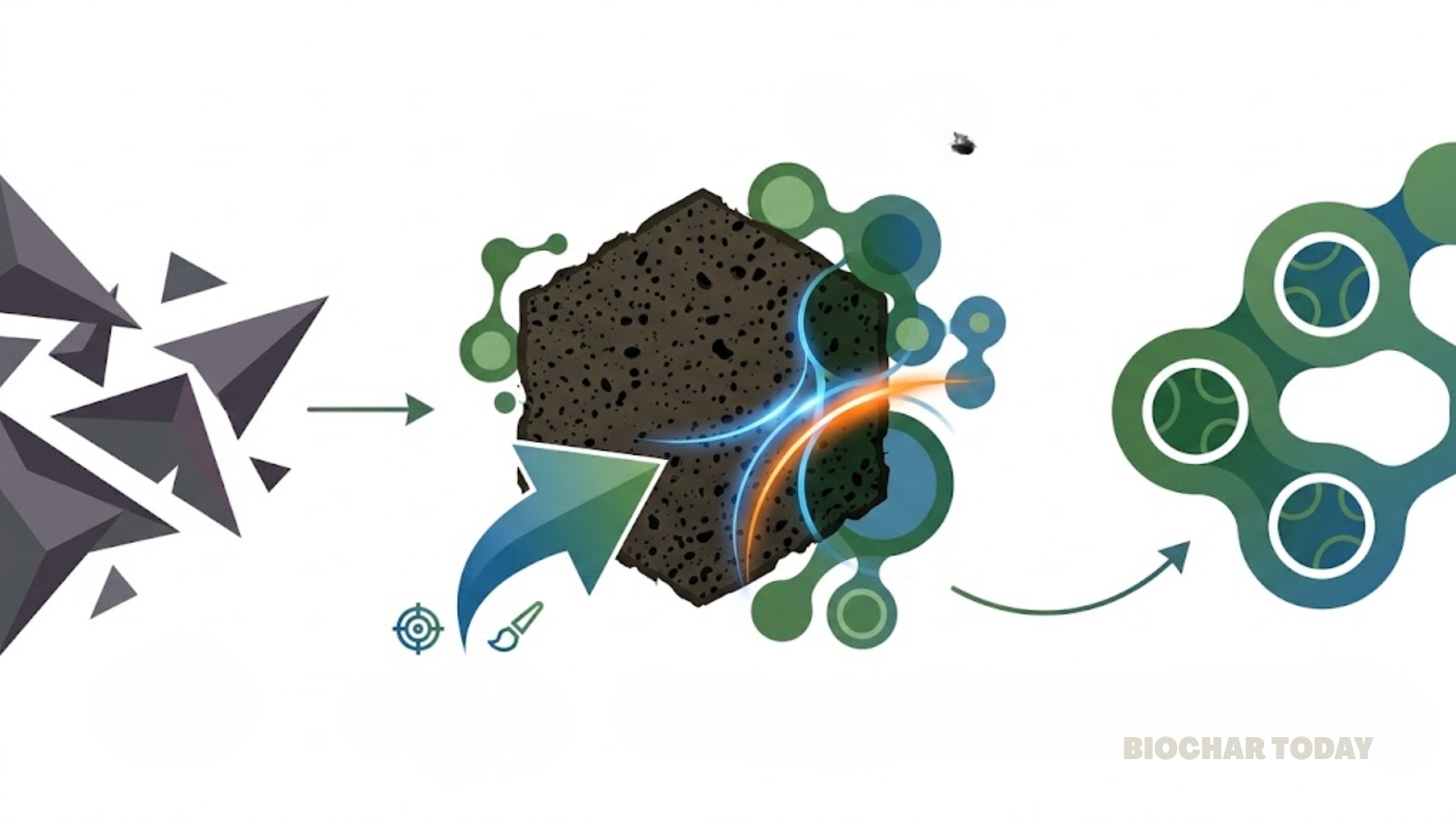
  • High-Temperature Biochar at Seven Hundred Degrees Celsius Reduces Bioavailable Cadmium by Over Twenty-Two Percent Through Synergistic Microbial Interactions

    High-Temperature Biochar at Seven Hundred Degrees Celsius Reduces Bioavailable Cadmium by Over Twenty-Two Percent Through Synergistic Microbial Interactions

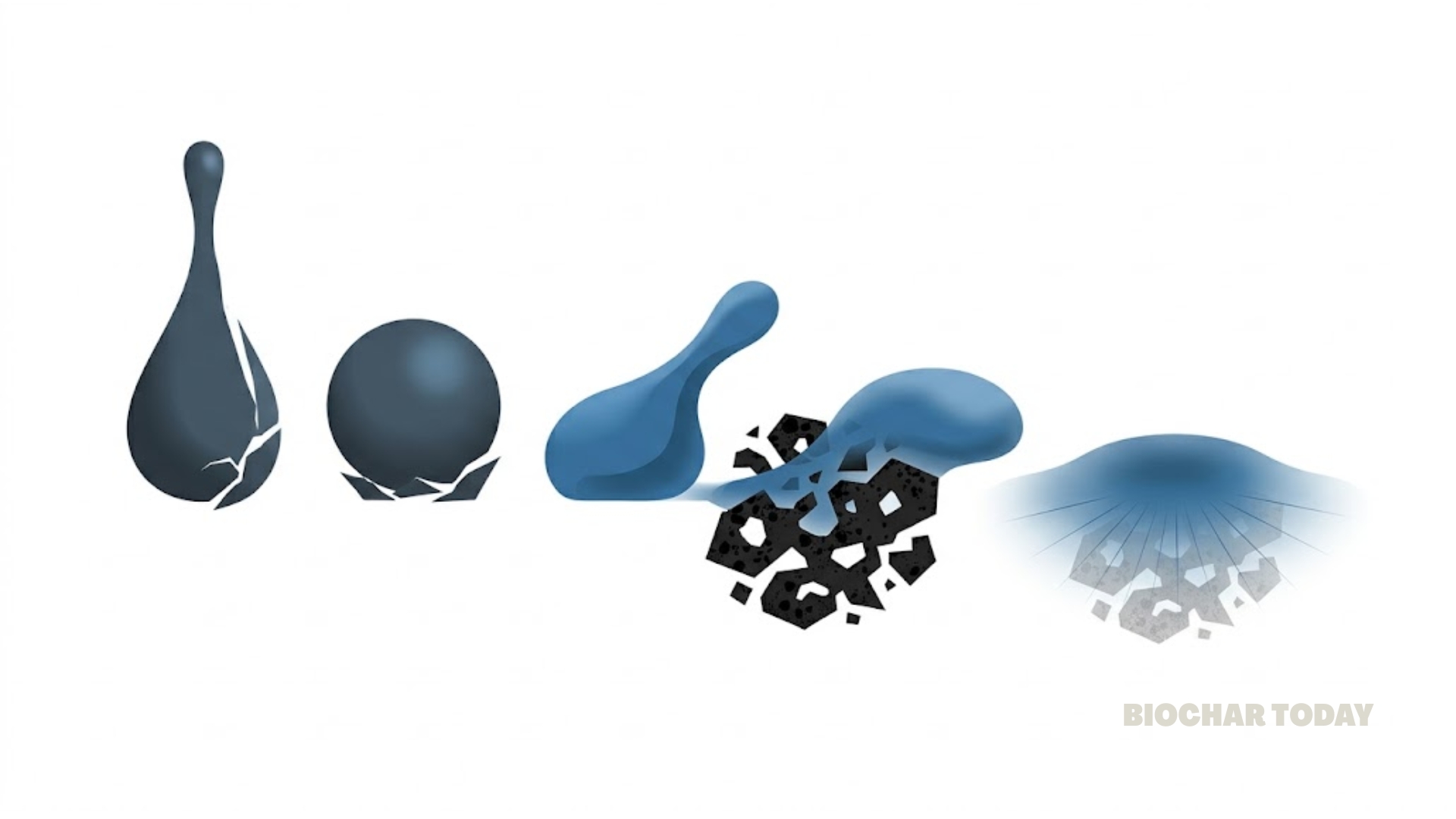
  • New Measurement Standard Using Dynamic Contact Angle Provides Accurate Classification of Biochar Water Repellency

    New Measurement Standard Using Dynamic Contact Angle Provides Accurate Classification of Biochar Water Repellency

  • Hardwood Biochar Produced at 400 Degrees Celsius Cuts Total Nitrogen Loss by Over 46 Percent During Composting

    Hardwood Biochar Produced at 400 Degrees Celsius Cuts Total Nitrogen Loss by Over 46 Percent During Composting

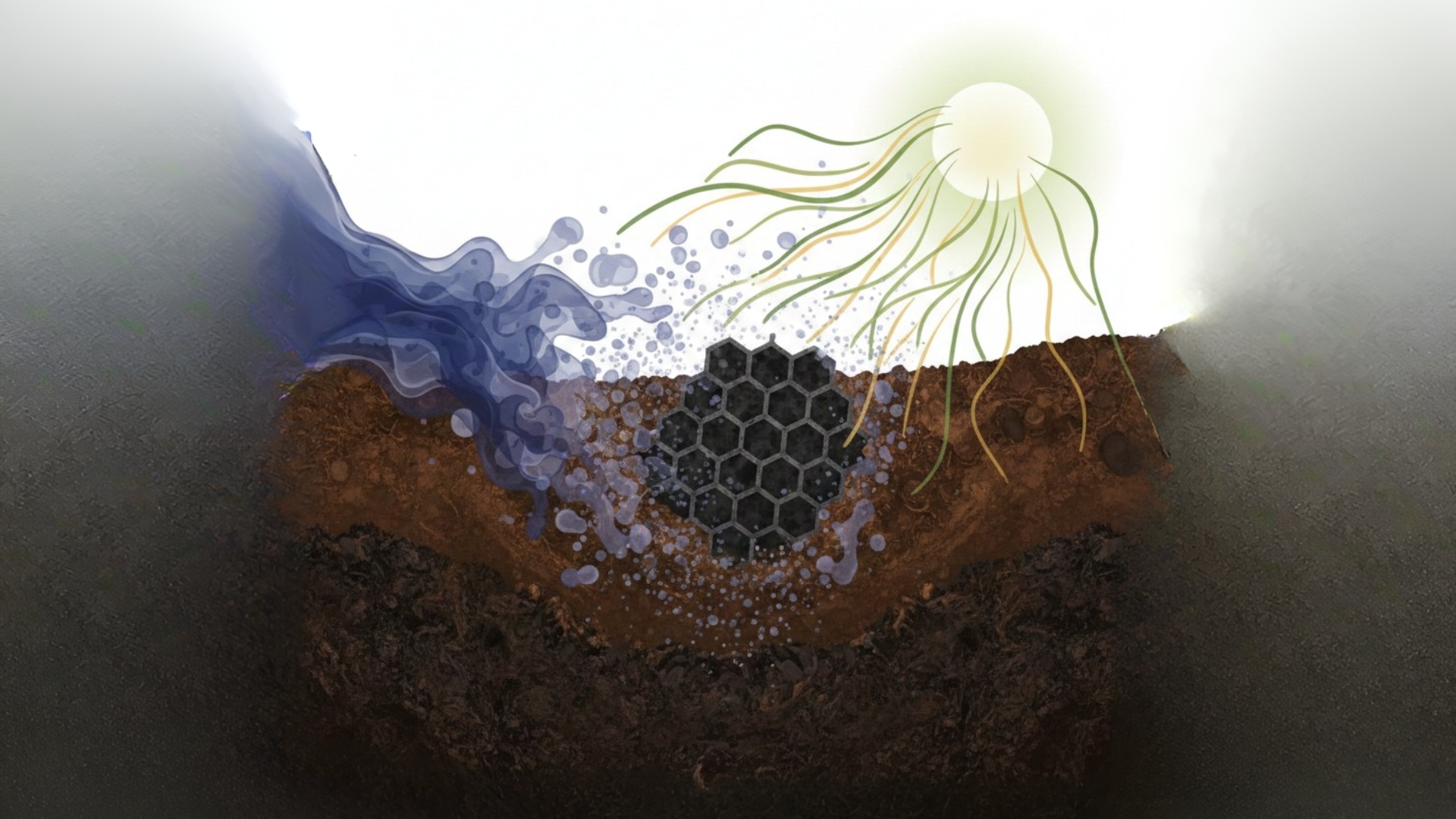
  • Aging Increases Low-Temperature Biochar Conductivity by Over One Thousand Times While Reducing High-Temperature Biochar Performance

    Aging Increases Low-Temperature Biochar Conductivity by Over One Thousand Times While Reducing High-Temperature Biochar Performance

  • Optimal Processing Temperatures Boost Energy Storage Capacity in Neem Seed Biochar Composites

    Optimal Processing Temperatures Boost Energy Storage Capacity in Neem Seed Biochar Composites

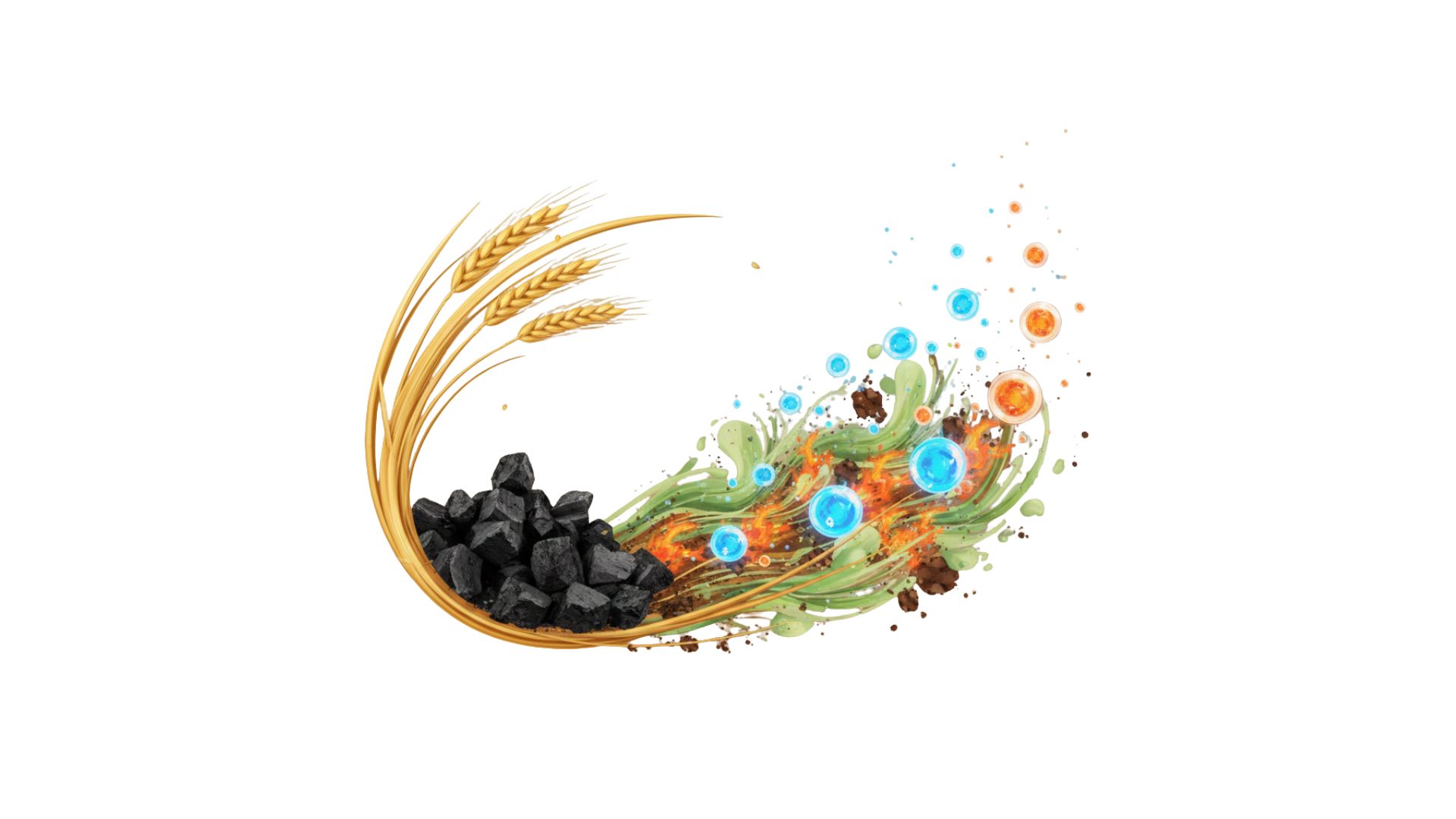
  • Wheat Straw Biochar Boosts Soil Phosphorus and Potassium by Up to Fivefold in Fertile Luvisols

    Wheat Straw Biochar Boosts Soil Phosphorus and Potassium by Up to Fivefold in Fertile Luvisols

  • Biochar Application Reduces Soil Sulfonamide and Tetracycline Antibiotic Concentrations by 54.8% and 20.9%, Respectively

    Biochar Application Reduces Soil Sulfonamide and Tetracycline Antibiotic Concentrations by 54.8% and 20.9%, Respectively

  • High-Temperature Biochar Safely Locks Away 83% of Lead in Phytoremediation Waste

    High-Temperature Biochar Safely Locks Away 83% of Lead in Phytoremediation Waste

  • Machine Learning Predicts Biochar’s Heavy Metal Cleanup Power with 92% Accuracy, Highlighting Metal Ratio and pH

    Machine Learning Predicts Biochar’s Heavy Metal Cleanup Power with 92% Accuracy, Highlighting Metal Ratio and pH

  • Monolithic Biochar Reveals Extreme 28.5x Hardness Difference Between Grain Directions

    Monolithic Biochar Reveals Extreme 28.5x Hardness Difference Between Grain Directions

1 2 3 … 9
Next Page
  • LinkedIn
  • X
  • Facebook
  • Instagram
  • Reddit
  • Spotify
  • RSS Feed

GET THE NEWSLETTER

By clicking subscribe, you agree to share your email address with the site owner and Mailchimp to receive marketing, updates, and other emails from the site owner. Use the unsubscribe link in those emails to opt out at any time.

Processing…
Success! You're on the list.
Whoops! There was an error and we couldn't process your subscription. Please reload the page and try again.
  • Resources
  • Glossary
  • Partner Directory
  • About
  • Editorial Guidelines
  • Contact
  • Privacy Policy
  • Disclaimer


Loading Comments...