Skip to content
LinkedIn
X
Facebook
Instagram
Reddit
Spotify
RSS Feed
Search
News
Blog
Industry Insights
Expert Profiles
Biochar Decoded
Ask Annie
Announcements
Podcast
Videos
Insights
Use Cases
Agriculture
Horticulture
Livestock
Landscaping
Building Materials
Concrete / Asphalt
Reforestation
Soil Remediation
Water Treatment
Carbon Sequestration
About
About Biochar Today
Partner Directory
Editorial Guidelines
Contact
Carbon Research
Sustainable Concrete Mix With Biochar Boosts Strength by 15% While Absorbing 1.2 Grams of Carbon Dioxide Daily
Climate Change-Induced Extreme Weather Events Cause Shifts in Soil Organic Carbon Input, Microorganism Activity, and System-Wide Retention Across Global Ecosystems
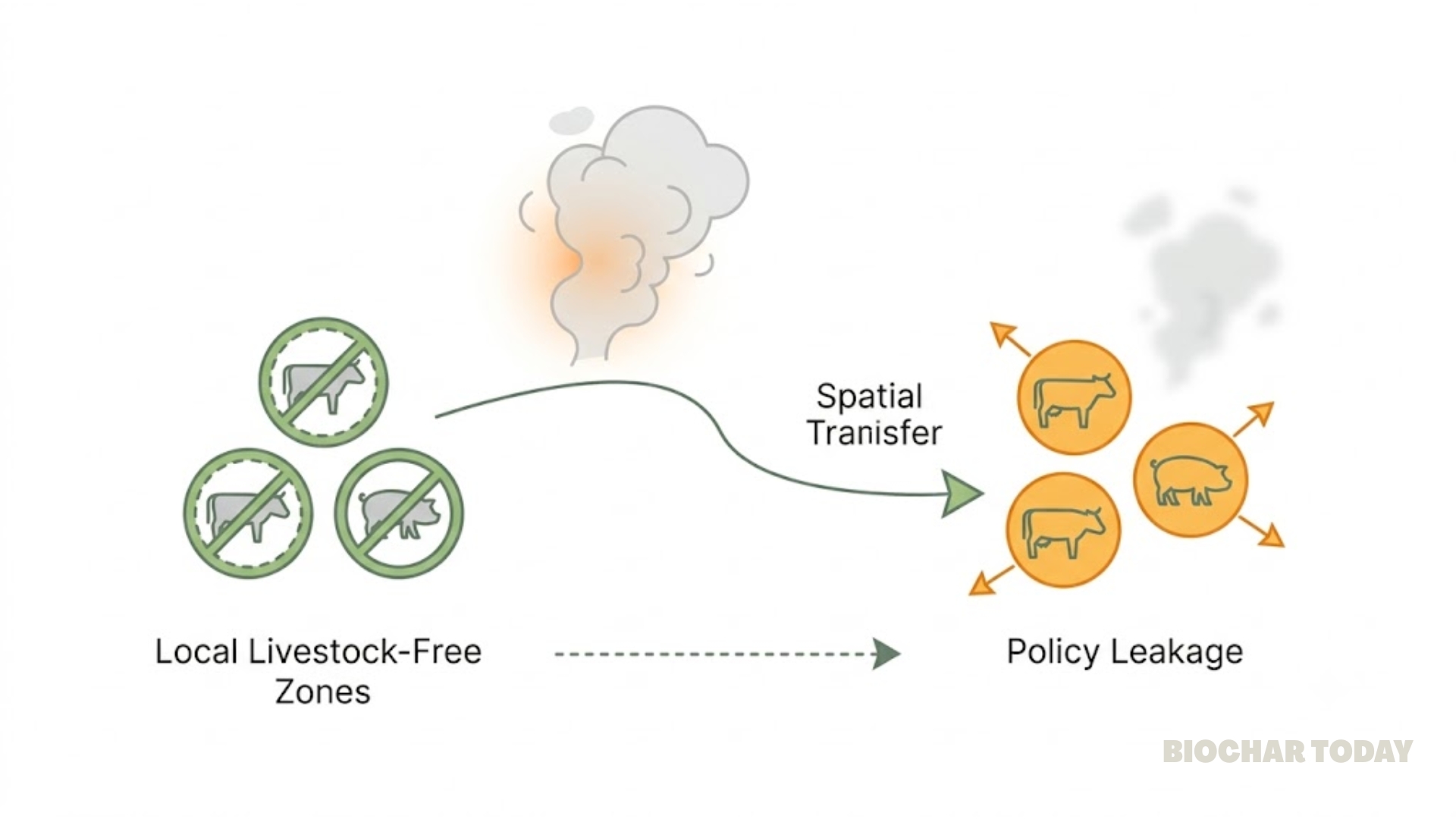
Policy Leakage Multiplies Regional Environmental Costs 3.14-Fold Driven by Local Livestock Exclusion Regulations
High-Temperature Biochar Deployment at Doses of Forty Tonnes per Hectare Optimizes Global Warming Potential Reductions by up to Eighty-Three Percent
Enhancing Carbon Capture Efficiency Through Nitrogen and Phosphorus Doping of Biochar for Sustainable Climate Mitigation
High-Performance Pseudo-Capacitive Materials Produced from Waste Nickel-Laden Biochar at Low Hydrothermal Temperatures
Digital Economy Expansion Boosts Carbon Emission Efficiency in Chinese Cities and Generates Significant Positive Environmental Spillovers for Neighboring Regions
Meta-Analysis Reveals High-Temperature Biochar and Large Application Rates Can Reduce Agricultural Global Warming Potential by Eighty-Three Percent
Lignin-Derived Carbon and Weakly Solvating Electrolyte Enable High-Voltage Supercapacitors with 77.4 Wh/kg Energy Density
Biochar Amendments Can Reduce Agricultural Greenhouse Gas Emissions by Up to Thirty Nine Percent
1
2
Next Page
Loading Comments...
Write a Comment...
Email (Required)
Name (Required)
Website