
Key Takeaways
- Researchers successfully transformed an invasive weed into a high-performance water filter that removes common drugs like painkillers and antibiotics.
- The new material can clean up to 92.5 percent of acetaminophen and 88.3 percent of tetracycline from contaminated water within one hour.
- This eco-friendly treatment method works effectively in both small-scale laboratory tests and continuous flow systems that mimic real-world water plants.
- The specialized filter can be washed and reused multiple times, making it a cost-effective and sustainable solution for protecting our water resources.
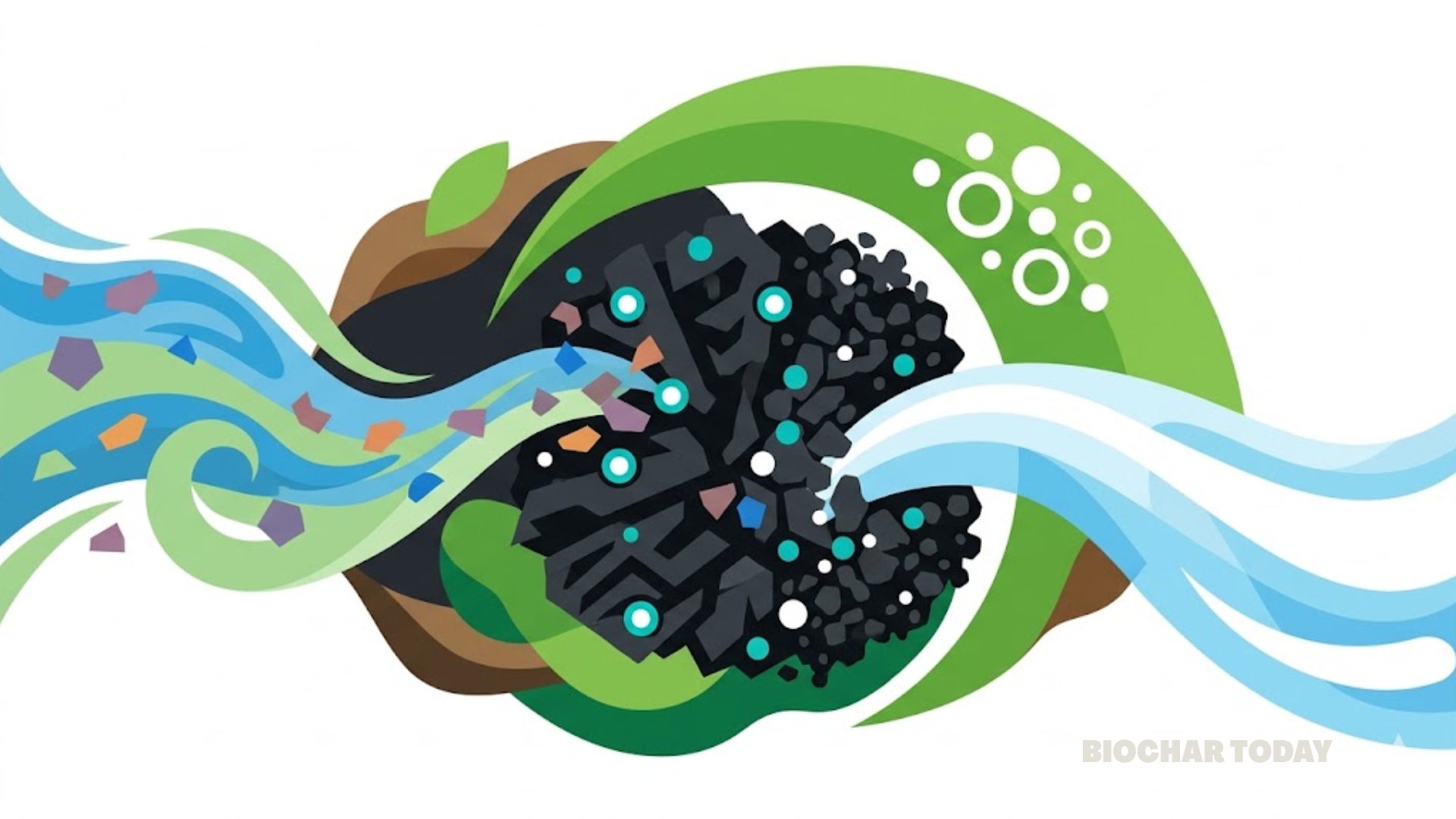
In a report published in the journal ACS Omega, lead author Manjunath Singanodi Vallabha and a team of researchers present a significant advancement in environmental remediation by repurposing the invasive Prosopis juliflora weed into a specialized adsorbent. The global proliferation of this invasive species has long disrupted ecosystems and depleted water resources, while the simultaneous discharge of pharmaceutical active compounds into water bodies has raised serious health concerns. By converting this problematic biomassBiomass is a complex biological organic or non-organic solid product derived from living or recently living organism and available naturally. Various types of wastes such as animal manure, waste paper, sludge and many industrial wastes are also treated as biomass because like natural biomass these More into a zinc oxide-modified biocharBiochar is a carbon-rich material created from biomass decomposition in low-oxygen conditions. It has important applications in environmental remediation, soil improvement, agriculture, carbon sequestration, energy storage, and sustainable materials, promoting efficiency and reducing waste in various contexts while addressing climate change challenges. More, the researchers have created a sustainable material capable of removing common pharmaceuticals such as the analgesic acetaminophen and the antibiotic tetracycline from aquatic environments. This dual-purpose approach not only cleanses wastewater but also provides an economic incentive for managing invasive plant populations.
The study provides compelling evidence of the material’s efficiency through both batch and continuous flow experiments. In batch settings, the biochar achieved its maximum effectiveness within just sixty minutes, particularly at a neutral acidity level. Specifically, the material removed 92.51 percent of acetaminophen and 88.29 percent of tetracycline under optimal conditions. The researchers noted that acetaminophen was generally easier to remove due to its smaller molecular size and its ability to form strong chemical bonds with the biochar surface. Tetracycline, being a larger and more complex molecule, faced more physical resistance when trying to enter the pores of the filter, though it still reached impressive removal levels.
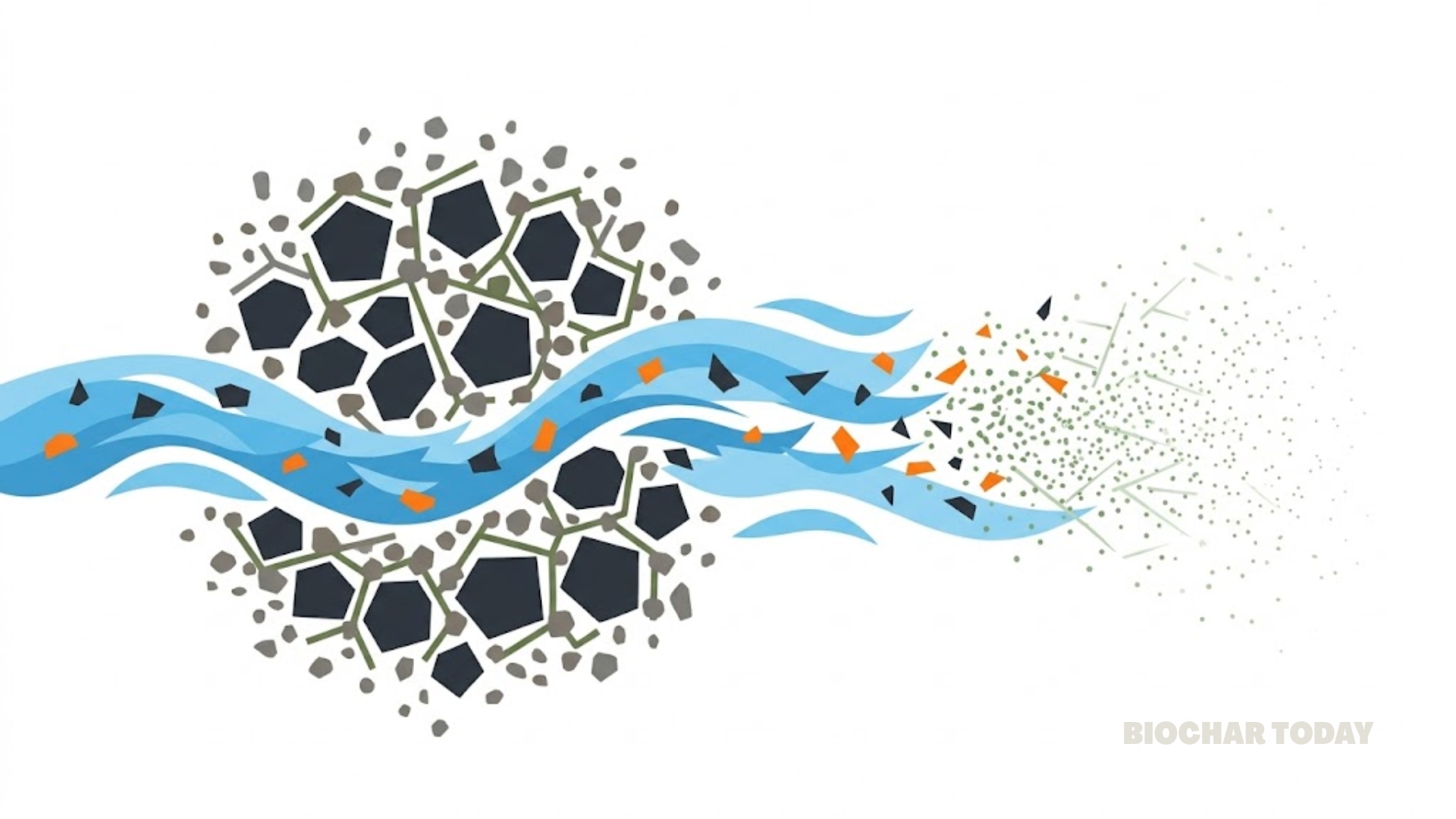
The transition from small laboratory flasks to continuous flow columns highlighted the material’s potential for large-scale industrial use. In these continuous systems, the performance of the filter improved as the researchers increased the depth of the biochar bed and managed the speed of the water flow. Longer contact times between the water and the adsorbent allowed more pollutants to be trapped within the porous structure of the biochar. The team also examined how the filter behaves when both drugs are present in the water at the same time. While the two pollutants occasionally competed for the same spots on the filter, the biochar remained robust, demonstrating that it can handle the complex mixtures of contaminants typically found in real-world sewage and industrial runoff.
A critical finding of the research is the identification of the specific chemical mechanisms that allow the biochar to trap these drugs. Through advanced imaging and chemical analysis, the team determined that the process is a form of chemisorption, meaning the drug molecules form strong chemical attachments to the zinc oxide and carbon surfaces. The process involves multiple types of molecular interactions, including electrostatic attraction, where opposite charges pull the pollutants toward the filter, and hydrogen bonding. Additionally, the porous nature of the biochar allows for a physical trapping mechanism known as pore filling, where the drug molecules get stuck deep inside the material’s tiny internal cavities.
The sustainability of this technology is further emphasized by its reusability and scale-up potential. The study found that the ZnO-modified biochar could be regenerated and used for at least four successive cycles without a catastrophic loss in performance. While some of the drug molecules stayed permanently trapped in the deepest pores, the majority could be removed, allowing the filter to be placed back into service. This durability is essential for reducing the costs of water treatment. The researchers also performed mathematical modeling to show how a large industrial-sized column could be designed based on their data, predicting that such a system would remain efficient for several days of continuous operation before needing maintenance. This research establishes a viable, green pathway for environmental protection that turns a significant ecological threat—invasive weeds—into a powerful tool for global water security.
Source: Vallabha, M. S., Asma, S. R., Reddy, R., Mohan, B., & Girish, C. R. (2026). Acetaminophen and Tetracycline Removal Using Prosopis juliflora-Derived ZnO-Modified Biochar: Evaluation in Batch and Continuous Systems. ACS Omega, 11(3), 1756-1812.


Leave a Reply