

Key Takeaways
- Scientists successfully created a new material by combining zinc oxide with charcoalCharcoal is a black, brittle, and porous material produced by heating wood or other organic substances in a low-oxygen environment. It is primarily used as a fuel source for cooking and heating. More made from palm tree shells to clean polluted water.
- This new composite material is much more effective at breaking down toxic dyes than using zinc oxide on its own.
- The material works by absorbing light and using that energy to destroy harmful chemicals found in industrial waste.
- Using leftover palm shells helps the environment by turning agricultural waste into a useful tool for water purification.
- The researchers found that specific heat and timing during production are essential to making the most powerful cleaning agent.
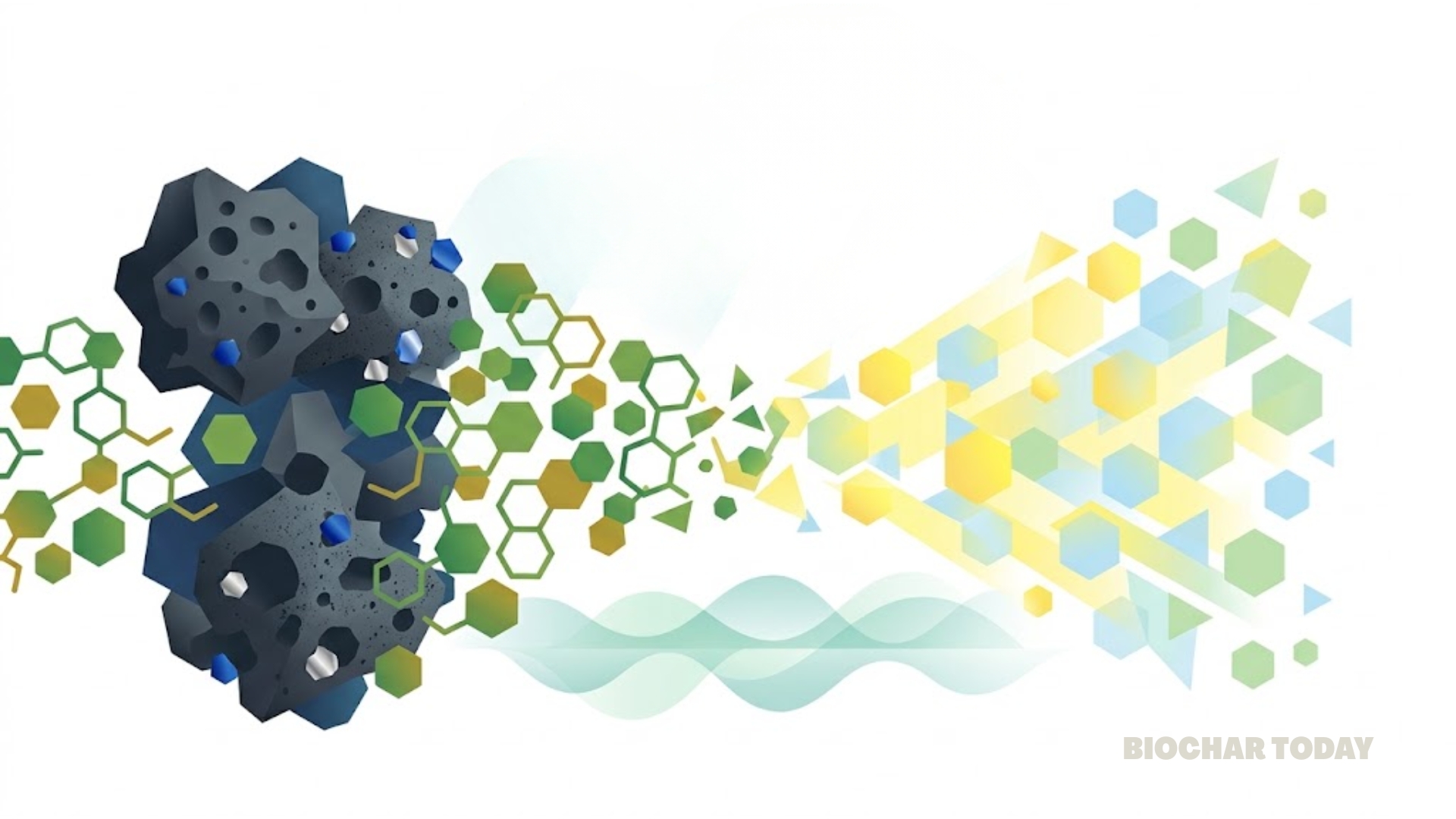
In a recent study published in Communications in Science and Technology, researchers, Desi Heltina, Danil Yoselino, Nabellia, Agustina Dumaria, Khairati Amila, Komalasari, Maria Peratenta S., Amun Amri, and Zhong Tao Jiang explore a sustainable method for treating liquid industrial waste. The research focuses on the fabrication and performance of a composite material that pairs zinc oxide with biocharBiochar is a carbon-rich material created from biomass decomposition in low-oxygen conditions. It has important applications in environmental remediation, soil improvement, agriculture, carbon sequestration, energy storage, and sustainable materials, promoting efficiency and reducing waste in various contexts while addressing climate change challenges. More derived from palm kernel shells. This innovation addresses the pressing global issue of textile waste, which often contains synthetic dyes that resist natural decomposition and pose severe health risks to humans. By utilizing agricultural byproducts from the palm oil industry, the team created a photocatalyst that not only cleans water but also promotes a circular economy by repurposing waste materials.
The findings demonstrate that the composite material is exceptionally effective at breaking down methylene blue, a common model for toxic organic pollutants. While pure zinc oxide is a well-known semiconductor for cleaning waste, it typically requires ultraviolet light to function, which limits its practical use under natural sunlight. The addition of palm-derived biochar changes this dynamic by shifting the material’s light absorption capabilities into the visible light spectrum. This allows the composite to harvest energy from a broader range of light sources, making the purification process more versatile and efficient. The most successful version of the material was produced at a temperature of 180 degrees Celsius over a period of 10 hours, resulting in a degradation yield of 88.29%.
The physical characteristics of the new composite are a primary driver of its success. The material features a porous, spherical structure that significantly increases the total surface area available for chemical reactions. Specifically, the surface area reached over 103 square meters per gram, which is nearly three times higher than that of pure zinc oxide. This expansive surface allows more dye molecules to come into contact with the catalyst at once. Furthermore, the internal structure of the material is classified as mesoporous, with average pore diameters that facilitate the easy movement of water and pollutants through the cleaning agent.
From a technical perspective, the integration of biochar helps prevent a common problem in water treatment where energized electrons quickly lose their power before they can destroy the pollutants. The carbon structure acts as a bridge, facilitating the transfer of energy and suppressing the loss of active charge carriers. This synergy between the metal oxide and the organic charcoal results in a lower band gap energy, meaning less effort is required to jump-start the chemical reaction that neutralizes the dye. The research confirms that the observed cleaning effect is due to these active chemical processes rather than simple physical attachment to the charcoal.
Ultimately, this study provides a practical and affordable pathway for the textile and palm oil industries to manage their environmental footprints. By turning abundant palm shell waste into a high-performance water purifier, the researchers have created a non-toxic tool for environmental remediation. The ability to achieve nearly ninety percent waste elimination using visible light represents a significant advancement in sustainable technology. These results offer a foundation for future systems that can treat a wide variety of toxic compounds in liquid solutions, ensuring safer water resources for communities worldwide.
Source: Heltina, D., Yoselino, D., Nabellia, Dumaria, A., Amila, K., Komalasari, S., Maria Peratenta, S., Amri, A., & Jiang, Z. T. (2025). Fabrication and photocatalytic performance of ZnO-biochar composites for eliminating dye waste. Communications in Science and Technology, 10(2), 302-312.


Leave a Reply