
Key Takeaways
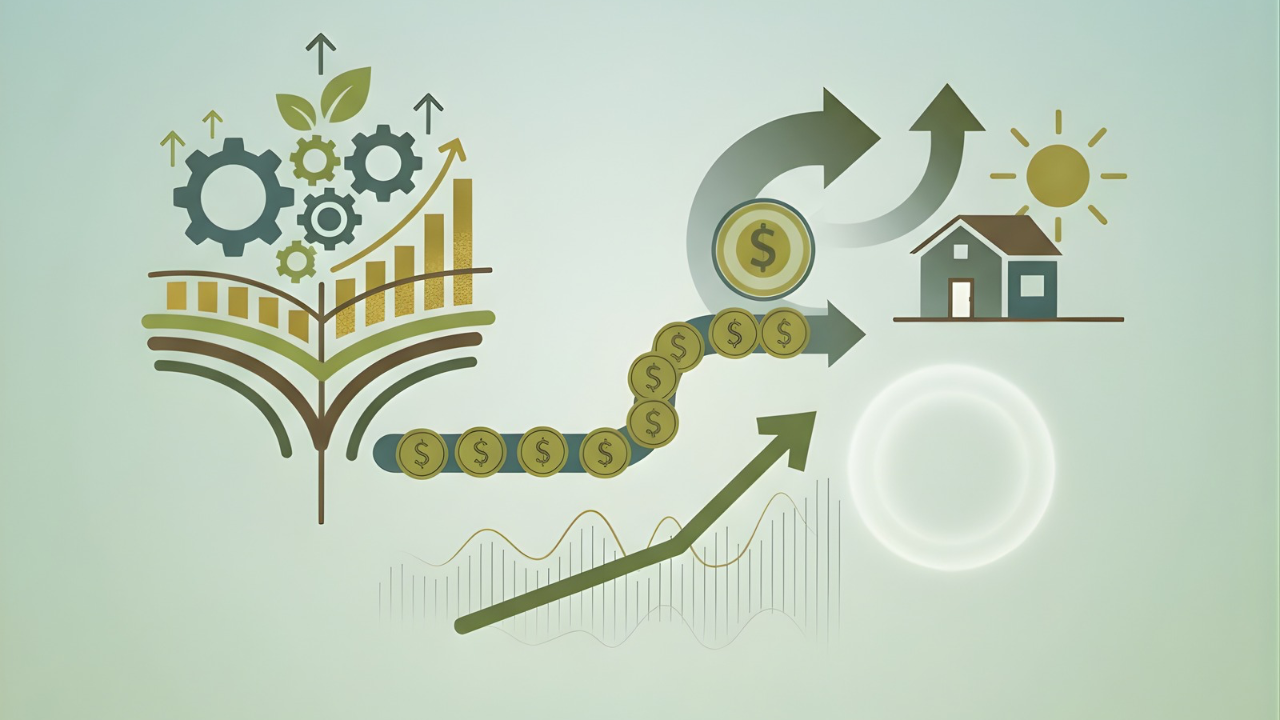
- It’s about the wallet, not the neighbors. The strongest factor influencing farmers’ interest in biocharBiochar is a carbon-rich material created from biomass decomposition in low-oxygen conditions. It has important applications in environmental remediation, soil improvement, agriculture, carbon sequestration, energy storage, and sustainable materials, promoting efficiency and reducing waste in various contexts while addressing climate change challenges. More is its perceived economic value (Price Value), not social pressure or trends.
- Usefulness and simplicity are essential. Farmers must believe the technology will genuinely improve their farm’s performance (be useful) and won’t be overly complex to implement (be easy to use).
- Seeing is believing. Farmers are more likely to perceive biochar as useful if they believe its positive results (like better soil or crops) are tangible and demonstrable.
- Climate awareness helps, but it’s not the main driver. While farmers who are more aware of climate change do see biochar as more useful, this environmental consciousness is secondary to the primary economic calculation.
- Adoption is low because awareness is low. The study confirmed that many farmers in the region have very little familiarity with biochar, with over 50% rating their knowledge as minimal.
Biochar is one of the most promising tools in the sustainable agriculture toolbox. Yet, despite its well-documented benefits, its adoption by farming communities remains stubbornly low. A new study by Mariavittoria Perrone and colleagues, published in Sustainable Production and Consumption, set out to understand why. By surveying 131 farmers in Northern Italy, the research provides a clear-eyed look at the human behavior behind the technology, revealing that good intentions don’t always translate to action.
The study confirmed two foundational ideas: farmers are more likely to adopt a technology if they believe it is useful (Perceived Usefulness) and easy to use (Perceived Ease of Use). But the real insight came from digging into what “useful” actually means to a farmer. It’s not about being trendy. The researchers found that social pressures—like what neighbors or consultants think (Subjective Norm)—had a weak or inconsistent link to adoption intentions. Instead, the decision-making process is highly pragmatic. The single most powerful factor driving a farmer’s belief in biochar’s usefulness was Price Value. This “value-for-money” judgment, which weighs the costs against potential profits from carbon credits, energy co-products, or waste valorization, was the strongest predictor in the model.
This isn’t to say other factors don’t matter. The study found that farmers who were more aware of climate change were more likely to see biochar as useful. This shows environmental consciousness does play a role. Farmers also needed to believe the technology would improve their Output Quality (e.g., better crops) and that the Results were Demonstrable—meaning they could actually see the benefits. However, these factors were all secondary to the cold, hard economic calculation. A farmer might care about the climate, but they must care about their bottom line. The study found that in this early stage, with low overall awareness , farmers’ intentions are shaped by instrumental, value-driven judgments, not social endorsement .
The findings have clear implications for policymakers, climate advocates, and agricultural advisors. Simply promoting biochar as “good for the planet” is not enough. To bridge the gap between biochar’s potential and its actual use, the economic case must be front and center. It must be clear, credible, and compelling16161616. This research shows that for a sustainable innovation to succeed, it must first be a valuable innovation to the person expected to use it.
Source: Perrone, M., Ruggeri, G., Tosca, A., Verga, E., & Mazzocchi, C. (2025). Exploring behavioural intentions behind biochar technology adoption in agriculture. Sustainable Production and Consumption.




Leave a Reply