
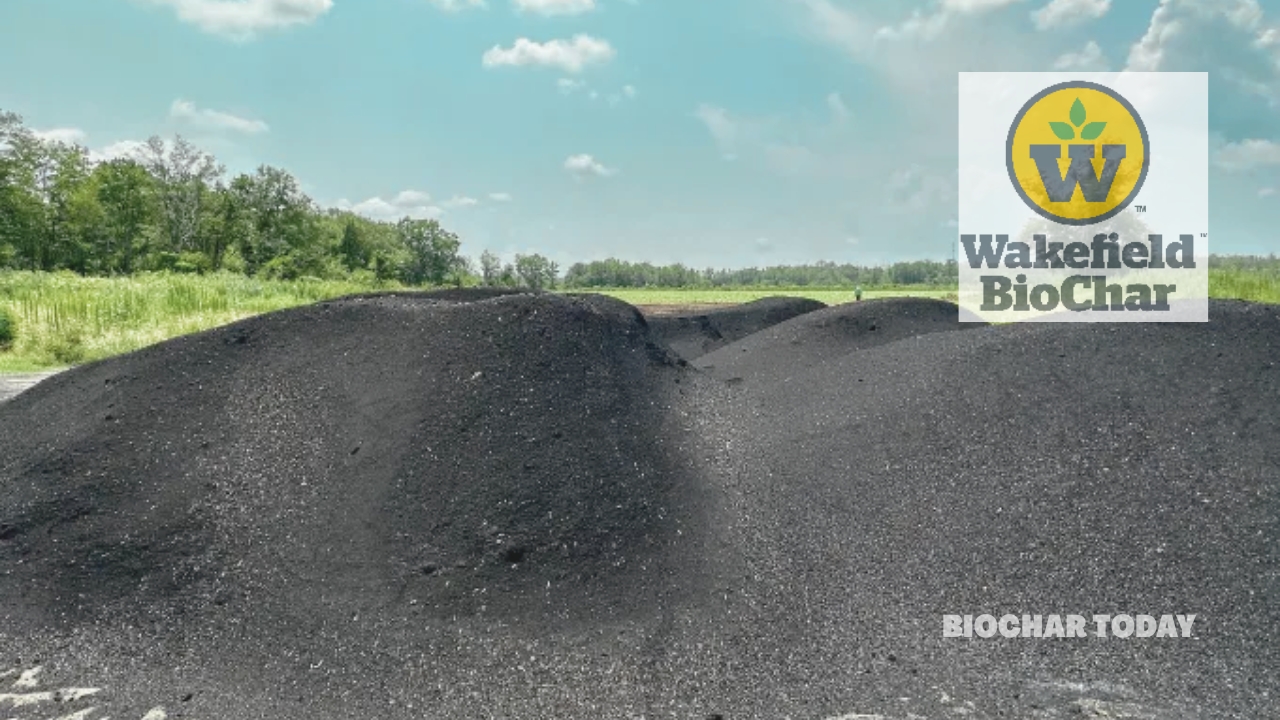
Wakefield BiocharBiochar is a carbon-rich material created from biomass decomposition in low-oxygen conditions. It has important applications in environmental remediation, soil improvement, agriculture, carbon sequestration, energy storage, and sustainable materials, promoting efficiency and reducing waste in various contexts while addressing climate change challenges. More has achieved a significant operational milestone by commencing the issuance of high-quality, Puro.earth-certified carbon removal credits from its fourth production site in Valdosta, Georgia. This new facility, designated as Wakefield 4 (WB4), transforms locally sourced forestry residues into stable biochar, expanding the company’s regional capacity for durable carbon sequestration. By securing certification under the Puro Standard, Wakefield now offers climate-conscious corporations verified CO2 Removal Certificates (CORCs), which guarantee that the sequestered carbon remains securely stored for at least 100 years.
The primary industrial challenge addressed by this expansion is the financial and logistical difficulty of scaling biochar production to a level that can meaningfully impact global carbon removal targets. Most mill operators are unlikely to establish the necessary pyrolysisPyrolysis is a thermochemical process that converts waste biomass into bio-char, bio-oil, and pyro-gas. It offers significant advantages in waste valorization, turning low-value materials into economically valuable resources. Its versatility allows for tailored products based on operational conditions, presenting itself as a cost-effective and efficient More units without a guaranteed revenue stream to cover high processing, hauling, and compliance costs. Furthermore, the industry faces the dual pressure of managing massive volumes of underutilized woody residues from paper and pulp mills, which would otherwise be landfilled or combusted, releasing their stored carbon back into the atmosphere.
Wakefield’s solution utilizes a large-scale pyrolysis model integrated into the regional forestry supply chain, specifically using pine bark and sawdust as feedstockFeedstock refers to the raw organic material used to produce biochar. This can include a wide range of materials, such as wood chips, agricultural residues, and animal manure. More. The facility’s economic viability is underpinned by the voluntary carbon market, with credit sales partially financing the construction of the new units. This financial model enables Wakefield to subsidize the cost of the resulting biochar for local farmers who might otherwise be unable to afford soil amendments, thereby encouraging broader agricultural adoption in a region prone to drought and economic stress.
Outcomes from the launch of the Valdosta facility include the immediate creation of over 80 green jobs in a region designated as economically disadvantaged. Beyond job creation, the facility diverts thousands of tons of waste wood from local paper and pulp mills, converting it into a porous biocarbon that improves soil fertility and water retention on Georgia pasturelands. With WB4 now operational, Wakefield has solidified its position as one of the largest and most diversified biochar producers in the United States, providing a scalable blueprint for dMRV-integrated carbon removal.


Leave a Reply