
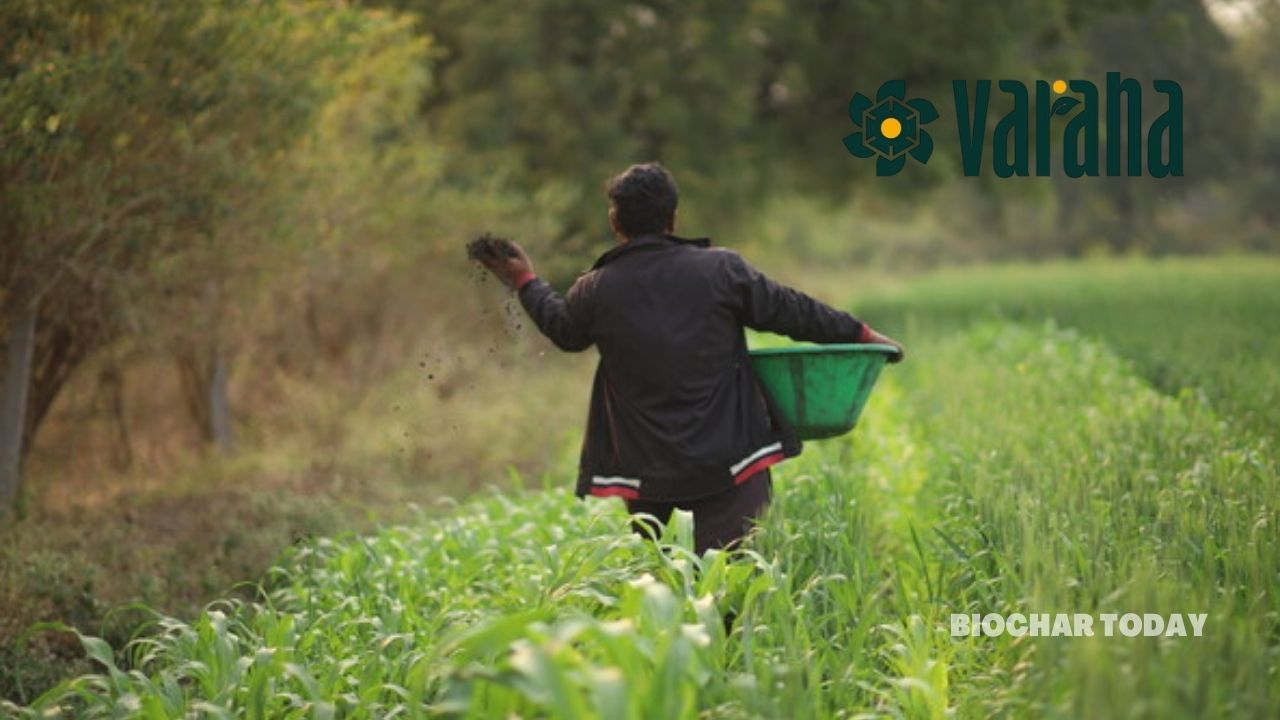
Varaha, a carbon dioxide removal (CDR) developer, has entered into a significant offtake agreement with Microsoft to supply over 100,000 tonnes of biocharBiochar is a carbon-rich material created from biomass decomposition in low-oxygen conditions. It has important applications in environmental remediation, soil improvement, agriculture, carbon sequestration, energy storage, and sustainable materials, promoting efficiency and reducing waste in various contexts while addressing climate change challenges. More carbon removal credits over the next three years. This partnership focuses on the agricultural heartlands of India, specifically targeting the cotton belt in Maharashtra. The project involves the deployment of 18 industrial gasificationGasification is a high-temperature, thermochemical process that converts carbon-based materials into a gaseous fuel called syngas and solid by-products. It takes place in an oxygen-deficient environment at temperatures typically above 750°C. Unlike combustion, which fully burns material to produce heat and carbon dioxide (CO2), gasification More reactors designed for long-term operation over a 15-year lifecycle. By transforming agricultural residues into stable biogenic carbon, Varaha and Microsoft are establishing a robust pathway for high-integrity carbon sequestration within the voluntary carbon market.
The central challenge addressed by this initiative is the environmental and economic burden of open-field burning of crop residues. In regions like Maharashtra, cotton stalks are typically treated as waste and burned after harvest, a practice that contributes significantly to seasonal air pollution and high PM 2.5 levels. Simultaneously, smallholder farmers often lack the financial resources or technical infrastructure to adopt regenerative practices that could improve soil health. This project seeks to mitigate large-scale atmospheric pollution while providing a viable, decentralized alternative to biomassBiomass is a complex biological organic or non-organic solid product derived from living or recently living organism and available naturally. Various types of wastes such as animal manure, waste paper, sludge and many industrial wastes are also treated as biomass because like natural biomass these More waste management in a region dominated by small-scale landholdings.
The solution utilizes Varaha’s biomass gasification facilities to convert waste cotton stalks into biochar, preventing the release of carbon dioxide and particulate matter associated with traditional burning. This biochar is then returned to the soil as a regenerative amendment. The project integrates digital monitoring and verification tools to ensure that the carbon sequestered is accurately quantified and permanent. By creating a value chain where waste biomass is purchased from farmers and processed locally, the initiative provides both a technical solution for carbon removal and a practical agricultural tool for enhancing soil moisture retention and nutrient density.
Significant outcomes of this agreement include the projected removal of more than 2 million tonnes of CO₂ over the project’s lifetime, contributing to Microsoft’s goal of becoming carbon negative. Beyond carbon sequestration, the project is expected to enhance the livelihoods of thousands of smallholder farmers through direct payments for biomass and improved agricultural productivity. The reduction in open-field burning will also lead to measurable improvements in local air quality. This collaboration serves as a benchmark for how corporate climate commitments can drive industrial-scale biochar production while delivering tangible social and environmental co-benefits to rural communities.



Leave a Reply