
The Regional Government of Castilla-La Mancha has officially issued a positive environmental impact declaration for Valogreene’s proposed industrial recycling facility in Puertollano, Spain. This regulatory green light, published in the Official Gazette, advances the project significantly, affirming its viability under strict environmental standards. Designated as a priority project by the Ministry of Sustainable Development, the facility is set to be established in the La Nava industrial estate, representing a major development in the region’s industrial infrastructure.
The core challenge addressed by this initiative is the accumulation of complex industrial waste that traditional recycling methods cannot easily process. Large volumes of non-recyclable plastics, automotive residues, and other industrial rejects typically end up in landfills or are incinerated, resulting in significant greenhouse gas emissions and the loss of potentially recoverable materials. Developing a sustainable method to valorize these difficult waste streams has been a persistent obstacle for the regional waste management sector.
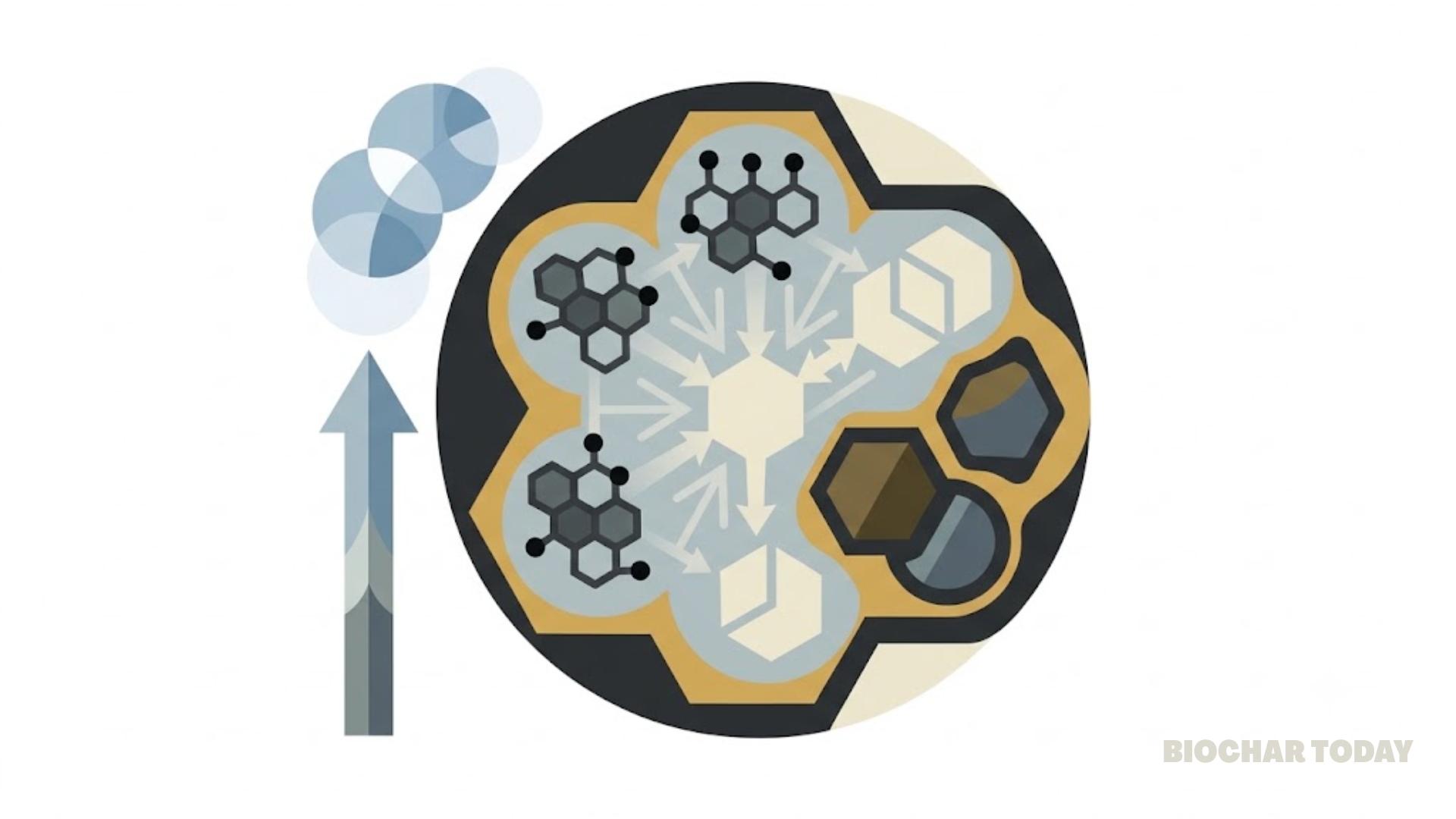
To resolve this issue, Valogreene, a subsidiary of Greene Enterprise, is implementing advanced pyrolysisPyrolysis is a thermochemical process that converts waste biomass into bio-char, bio-oil, and pyro-gas. It offers significant advantages in waste valorization, turning low-value materials into economically valuable resources. Its versatility allows for tailored products based on operational conditions, presenting itself as a cost-effective and efficient More technology designed to treat approximately 40,000 tons of industrial waste annually. This thermochemical process decomposes organic material at high temperatures in the absence of oxygen, converting waste into high-value products rather than ashAsh is the non-combustible inorganic residue that remains after organic matter, like wood or biomass, is completely burned. It consists mainly of minerals and is different from biochar, which is produced through incomplete combustion. Ash Ash is the residue that remains after the complete More. The facility will produce pyrolytic oil for the synthesis of circular plastics and biocharBiochar is a carbon-rich material created from biomass decomposition in low-oxygen conditions. It has important applications in environmental remediation, soil improvement, agriculture, carbon sequestration, energy storage, and sustainable materials, promoting efficiency and reducing waste in various contexts while addressing climate change challenges. More for use as fuel in heavy industries like cement and steel. Additionally, the plant aims for energy self-sufficiency by valorizing non-condensable gases generated during the process to meet its own thermal and electrical requirements.
The outcomes of this project include substantial economic and environmental benefits for the Puertollano area. Backed by an investment of approximately 35 million euros, the plant is projected to create 22 permanent direct jobs and 40 indirect positions. In terms of production, the facility anticipates generating between 4,000 and 5,000 tonnes of biochar and up to 10,500 tonnes of pyrolytic oil per year. This diversion of waste is estimated to prevent the release of 8,000 to 30,000 tons of CO₂ annually, depending on whether the alternative is landfilling or incineration.




Leave a Reply