
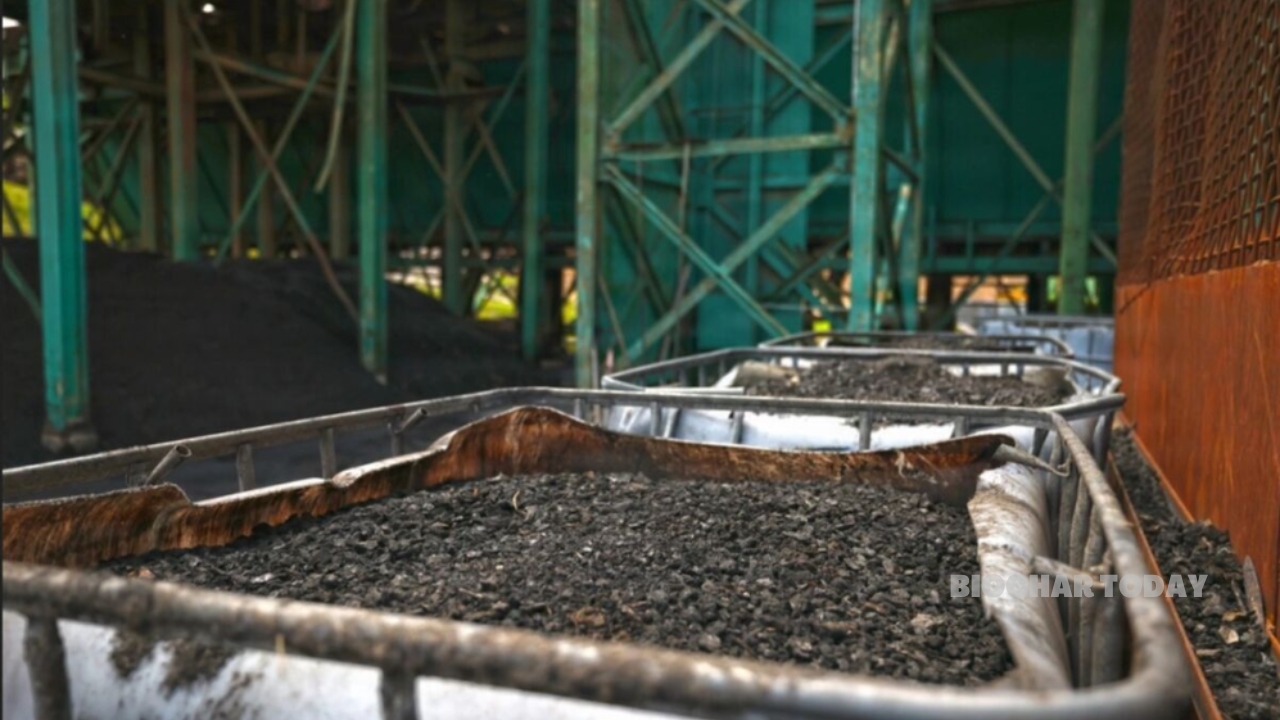
In the United States, public agencies, academic researchers, and private sector enterprises across western North Carolina are integrating biocharBiochar is a carbon-rich material created from biomass decomposition in low-oxygen conditions. It has important applications in environmental remediation, soil improvement, agriculture, carbon sequestration, energy storage, and sustainable materials, promoting efficiency and reducing waste in various contexts while addressing climate change challenges. More systems into disaster recovery efforts following Hurricane Helene. Organizations including the USDA Forest Service, the North Carolina Department of Environmental Quality (NC DEQ), Suncrest Mulch, and the Southwestern North Carolina Resource Conservation & Development (RC&D) Council are coordinating pilot projects to convert post-storm biomassBiomass is a complex biological organic or non-organic solid product derived from living or recently living organism and available naturally. Various types of wastes such as animal manure, waste paper, sludge and many industrial wastes are also treated as biomass because like natural biomass these More into functional soil amendments. This multi-sector initiative addresses widespread forest destruction, flood-damaged agricultural soils, and severe contractions in local timber processing markets following regional paper mill closures.
The primary crisis facing western North Carolina involves the accumulation of massive woody debris across roughly 822,000 acres of damaged forestland. Excessive fuel loads present acute long-term wildfire risks, block critical waterways, and complicate forestry management across the region. This biomass surplus is compounded by structural weakness in regional forestry economics, initiated by the 2023 closure of the Canton paper mill and surrounding processing facilities. Without functional industrial off-takers for low-grade timber and pulpwood, land managers faced unprecedented volume management bottlenecks, overflowing landfill capacities, and severe soil degradation on flooded agricultural lands.
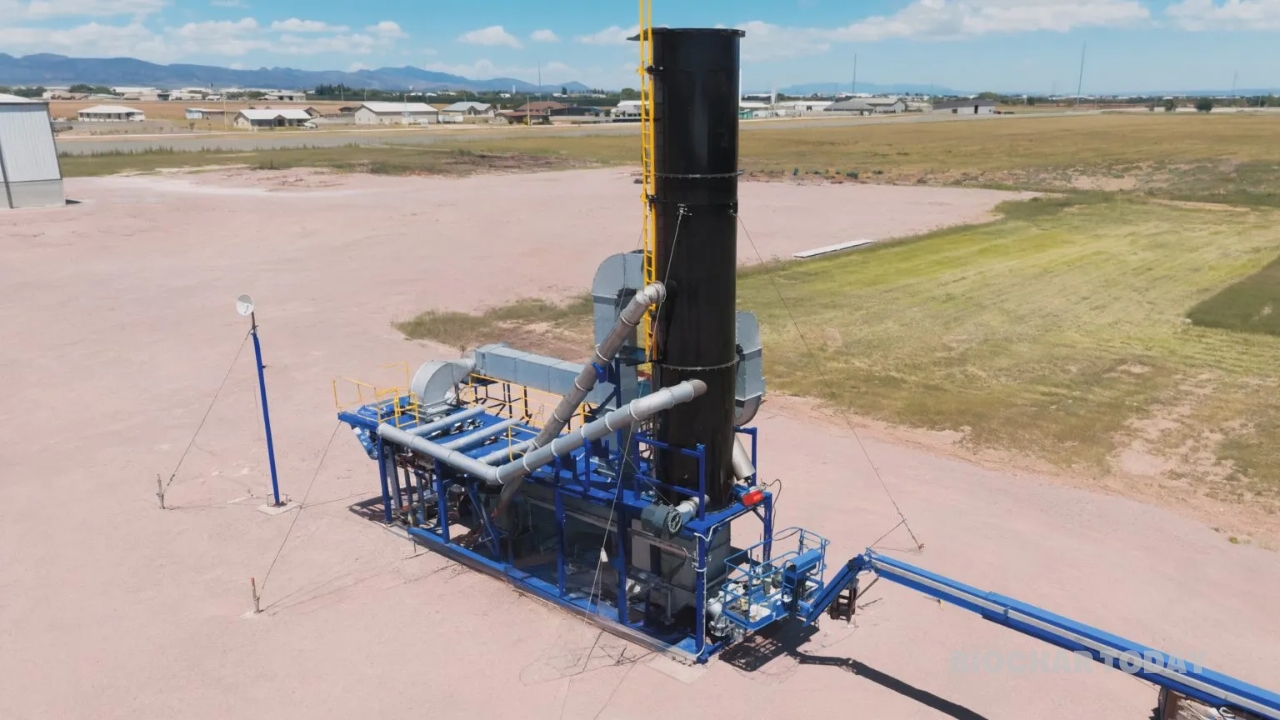
To mitigate these systemic challenges, regional stakeholders implemented decentralized biochar production systems targeting waste biomass at multiple operational scales. Suncrest Mulch reconfigured a former industrial chip mill in Haywood County to process storm debris using heavy equipment, while the USDA Forest Service’s Southern Research Station initiated field testing of mobile technologies, such as the CharBoss, to process biomass directly at forest extraction sites. Concurrently, NC DEQ awarded $1 million to the Southwestern North Carolina RC&D Council to deploy mobile equipment for farmland remediation, supported by localized kiln-loan initiatives managed by organizations like Blue Ridge Women in Agriculture across five rural counties.
These coordinated actions transformed storm hazards into stabilized, carbon-dense products, significantly reducing debris volume bound for landfills or open burning. Deployment metrics indicate enhanced soil structure, increased water retention, and restored nutrient cycling across flood-impacted agricultural properties. On forest lands, mobile processing mitigates localized wildfire hazards while supporting silvicultural research into oak regeneration. Economically, the initiative establishes alternative market pathways for low-grade woody biomass, creating new economic opportunities for local timber operators and rural landowners.




Leave a Reply