
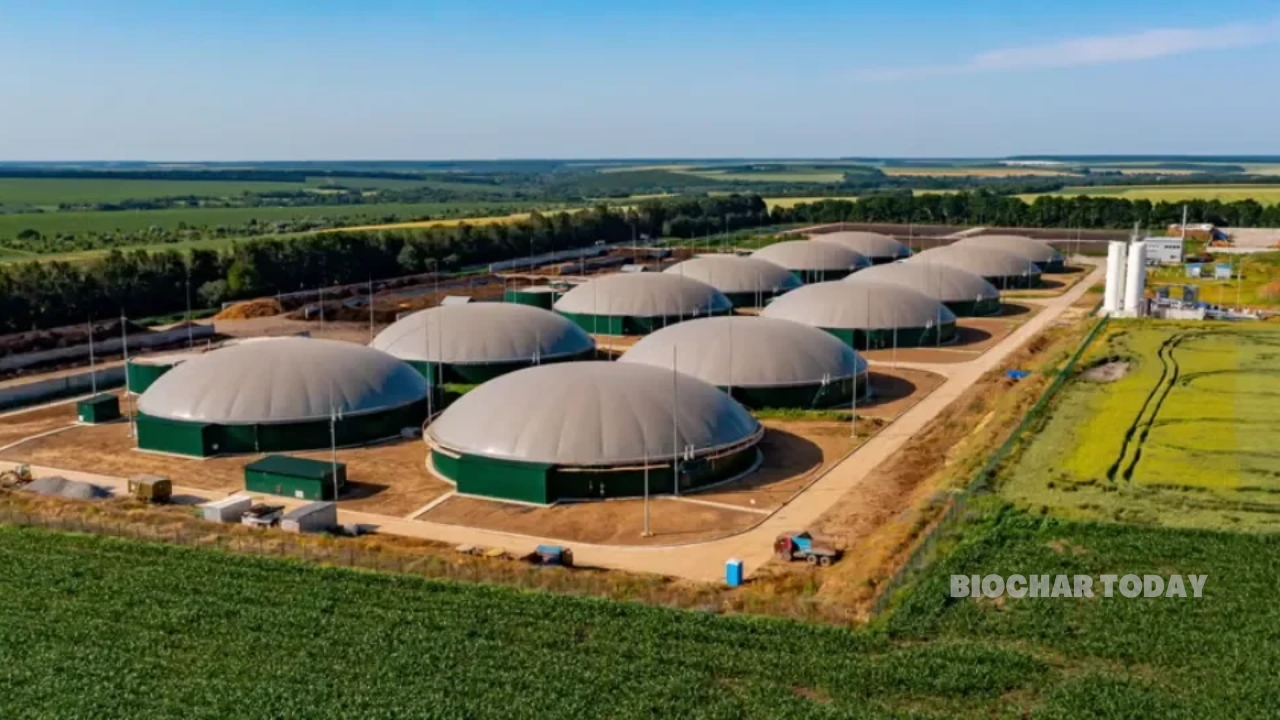
The U.S. Energy Information Administration projects a steady decline in domestic biomass-to-electricity generation capacity through 2027. According to short-term energy outlooks, traditional biomassBiomass is a complex biological organic or non-organic solid product derived from living or recently living organism and available naturally. Various types of wastes such as animal manure, waste paper, sludge and many industrial wastes are also treated as biomass because like natural biomass these More power facilities face growing economic pressure from competing renewable resources like solar and wind, alongside shifting federal and state policy incentives. This trajectory reflects broader structural adjustments within the North American bioenergy sector as grid operators and asset owners reevaluate the economic viability of direct combustion power plants relative to emerging higher-value thermal and material applications.
The central challenge confronting the sector is the declining cost-competitiveness of standalone biomass electricity generation. Facilities utilizing direct combustion of forestry residues and agricultural waste incur significant feedstockFeedstock refers to the raw organic material used to produce biochar. This can include a wide range of materials, such as wood chips, agricultural residues, and animal manure. More collection, processing, and transportation logistics costs compared to zero-fuel-cost renewables. Furthermore, expiring power purchase agreements and changing regulatory frameworks leave legacy plants vulnerable to retirements, threatening to reduce baseline demand for traditional biomass feedstocks across regional markets.
To address these market pressures, energy analysts and sector operators are pointing toward structural pivots in feedstocks and output models. The industry is increasingly reallocating wood waste and organic residues toward high-efficiency thermal energy systems, advanced biofuels, and pyrolytic carbon conversion. By redirecting low-density biomass streams away from inefficient grid power production and into high-margin thermochemical pathways, processing plants can mitigate fuel procurement overhead while tapping into secondary industrial revenue streams.
The primary outcome of this forecast shift is a structural realignment of the domestic biomass ecosystem. While utility-scale electric output from biomass contracts, processing infrastructure is poised to shift toward co-generation, localized industrial thermal off-take, and biocarbon manufacturing. This transition ultimately incentivizes more resource-efficient utilization of organic wastes, favoring technologies that maximize carbon retention and value addition over simple power conversion.




Leave a Reply