
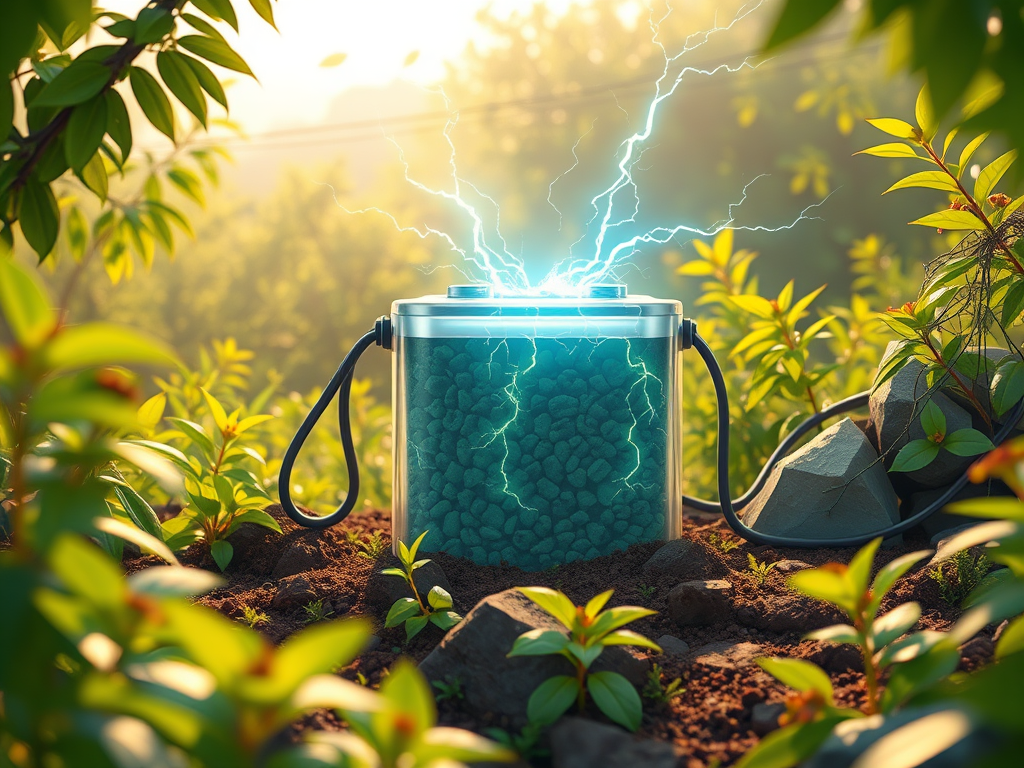
A new research initiative, the Recycling and Clean Energy Commercialisation Hub (REACH), is transforming the way we view biowaste, turning it from a problem into a valuable resource. A collaboration between Deakin University, Barwon Water, and RMIT, the project is focusing on converting wastewater biosolids and household organic waste into biocharBiochar is a carbon-rich material created from biomass decomposition in low-oxygen conditions. It has important applications in environmental remediation, soil improvement, agriculture, carbon sequestration, energy storage, and sustainable materials, promoting efficiency and reducing waste in various contexts while addressing climate change challenges. More. Biochar is a carbon-rich, charcoal-like substance with a range of beneficial applications.
Building on prior research that highlighted biochar’s ability to improve soil health and sequester greenhouse gases, the REACH project is conducting trials to develop optimal biochar blends for the local soil in the Geelong region. The goal is to enhance fertility and increase yields for key crops like cereals and legumes, offering a sustainable solution for local agriculture. This practical application could lead to healthier soil ecosystems and more robust crop production in the area.
Beyond agriculture, the project is exploring a more advanced and innovative use for biochar. Researchers are investigating its potential to be a sustainable component in the nation’s battery supply chain. Specifically, they are testing biochar as an anode active material for sodium-ion batteries. The success of this research could pave the way for a new generation of batteries that are both safer and more affordable than the lithium-ion batteries currently used for solar energy storage. With the sourcing of critical raw materials, like Lithium, becoming increasingly political, explorations of mineral substitutes is key to driving sustainable infrastructure growth.
Supported by a $50 million grant from the federal government’s Trailblazer Universities Program, the REACH project represents a significant step forward in sustainable resource management and clean energy technology. The initiative demonstrates how scientific research and collaboration can lead to practical solutions for waste management, soil health, and the future of energy storage.
PRESS RELEASE: Turning biowaste into healthy soil, batteries


Leave a Reply