

Academics and researchers from the University of Bristol in the United Kingdom collaborated with artists and the national greenhouse gas removal hub, CO2RE, at the Festival of Nature 2026. The collective hosted an immersive public exhibition titled Reclaiming Hope, Removing Carbon at the University of Bristol Botanic Garden from June 11 to 14, 2026. As part of the UK’s largest free celebration of the natural world, this event sought to bridge the gap between cutting-edge climate science and public understanding. Academics used the creative platform to present fresh perspectives on climate change and showcase diverse methodologies aimed at meeting global climate targets.
A primary challenge addressed by the organizers is the public disconnect regarding greenhouse gas removal (GGR) technologies and global climate goals. Complex climate research often remains confined to academic laboratories, leaving the general public unaware of actionable mitigation strategies. Furthermore, conventional scientific communication frequently fails to engage communities on an emotional or imaginative level, which limits public comprehension of how waste-to-value systems operate. Industry experts recognize that scaling up carbon sequestration pathways requires broad public familiarity, acceptance, and active engagement with the underlying chemistry and environmental humanities.
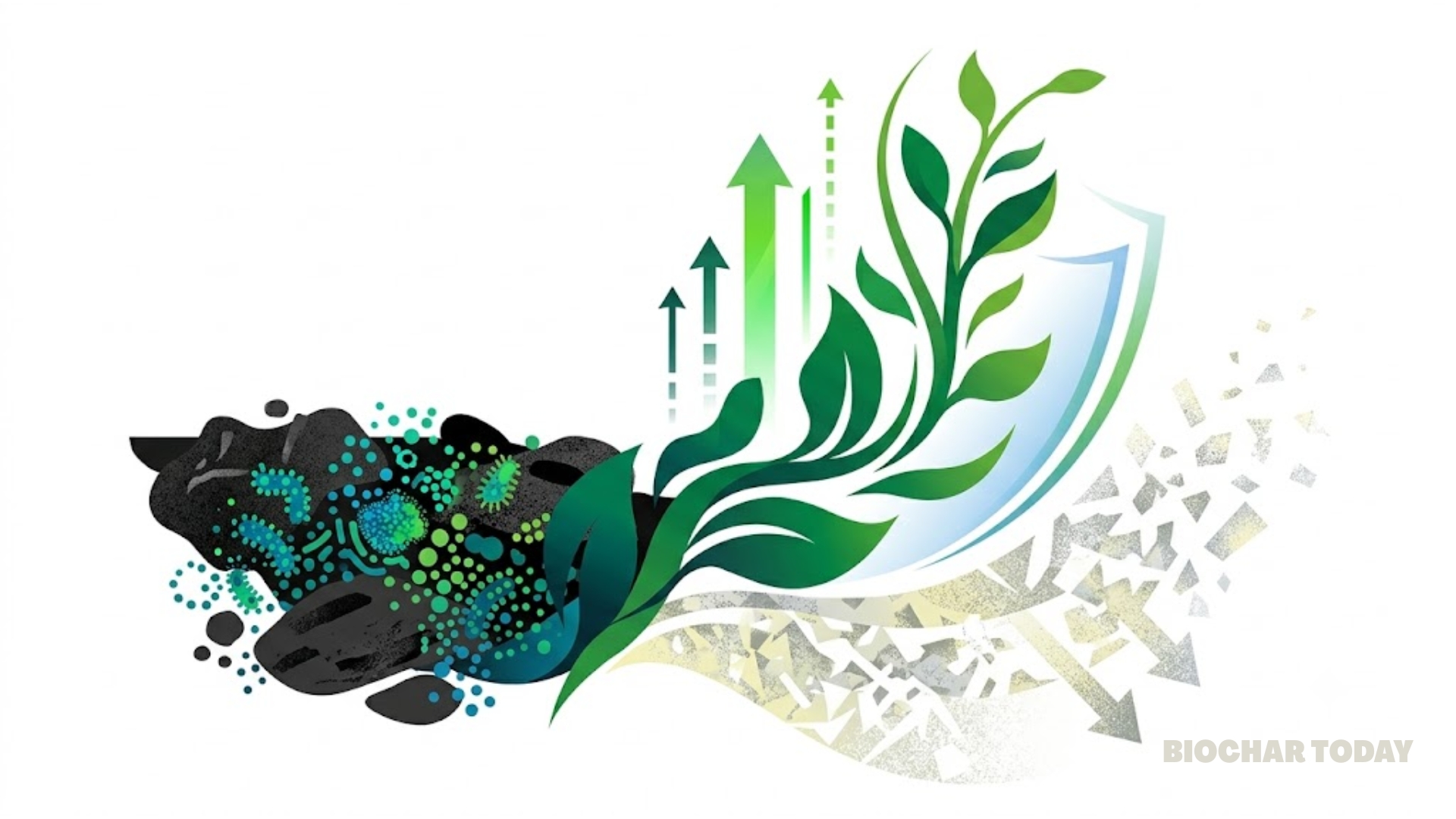
To resolve this educational barrier, CO2RE and the University of Bristol embedded climate researchers alongside seven UK artists to translate laboratory work into hands-on demonstrations and immersive installations. The technical solution highlighted within the exhibition featured sculptural works designed to demonstrate the transformation of organic waste streams into biocharBiochar is a carbon-rich material created from biomass decomposition in low-oxygen conditions. It has important applications in environmental remediation, soil improvement, agriculture, carbon sequestration, energy storage, and sustainable materials, promoting efficiency and reducing waste in various contexts while addressing climate change challenges. More. By presenting biochar production as both an artistic medium and a scalable carbon storage solution, the collaboration successfully visualized structural carbon stability. This interdisciplinary approach paired objective analytical chemistry with virtual reality, film, performance, and physical sculptures to make carbon removal concepts accessible to families and citizens.
The collaborative initiative resulted in an enhanced public understanding of climate science and concrete carbon removal methodologies. Visitors engaged directly with climate experts at the Botanic Garden, gaining practical knowledge about the power and potential of GGR technologies. By converting abstract chemical processes into tangible exhibits, the University of Bristol and CO2RE successfully demonstrated how daily laboratory research connects to regional waste management and global climate strategy. The event established a reproducible framework for public engagement, validating the use of cross-disciplinary exhibitions to build societal familiarity with carbon-negative industrial practices.



Leave a Reply