
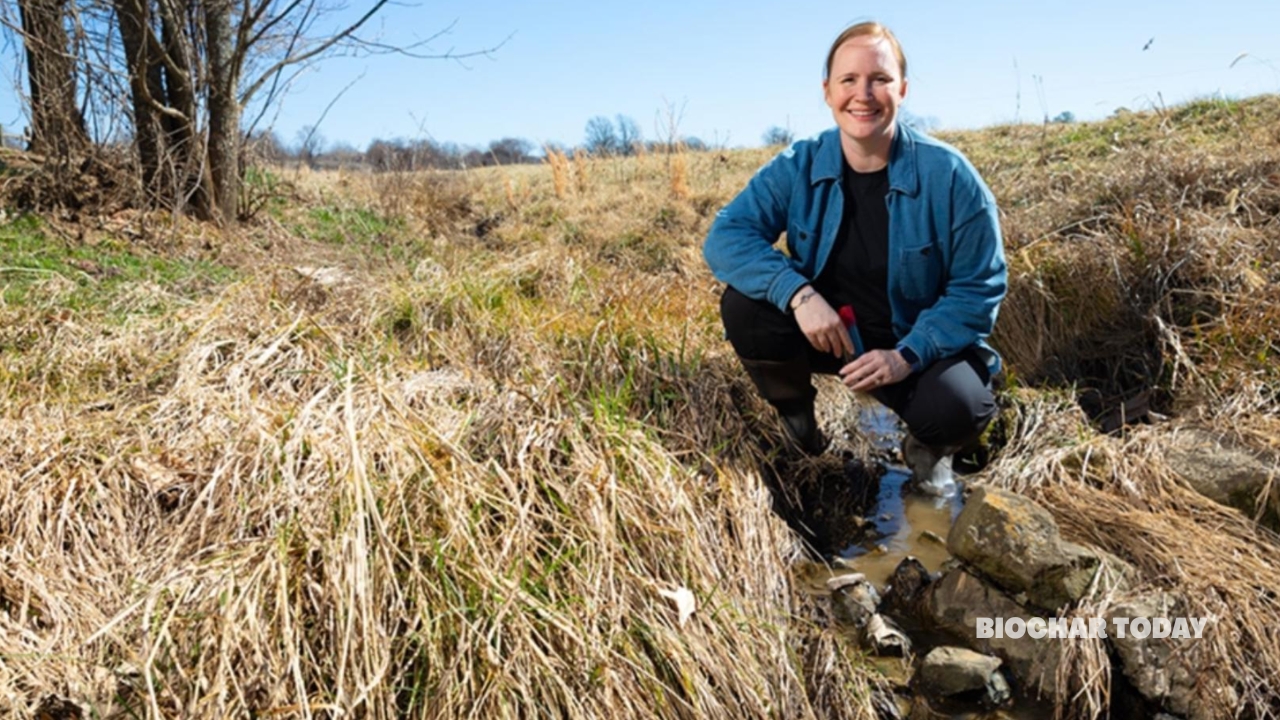
Shannon Speir, an assistant professor at the University of Arkansas, has been awarded a $1.9 million grant from the Environmental Protection Agency (EPA) to investigate the impact of biocharBiochar is a carbon-rich material created from biomass decomposition in low-oxygen conditions. It has important applications in environmental remediation, soil improvement, agriculture, carbon sequestration, energy storage, and sustainable materials, promoting efficiency and reducing waste in various contexts while addressing climate change challenges. More on water quality. This three-year study, centered in the United States, focuses specifically on how the integration of biochar with poultry litter affects nutrient retention in agricultural soils. The project involves a multi-organizational collaboration, including the University of Arkansas Division of Agriculture, the Beaver Watershed Alliance, and the Carbon Chicken Project. By conducting field experiments in the Brush Creek Watershed, the research team aims to provide empirical data on the efficacy of biochar as a strategic tool for watershed management.
The primary challenge addressed by this research is the systemic pollution of water bodies caused by agricultural runoff, particularly from poultry litter application. In Northwest Arkansas, the accumulation of phosphorus and nitrogen in the Illinois River Watershed has led to significant legal and environmental repercussions, highlighted by a recent $25 million settlement involving major food producers. When these nutrients leach from the soil into nearby streams, they trigger harmful algae blooms that deplete oxygen levels and degrade aquatic ecosystems. Current waste management practices for poultry litter have proven insufficient to prevent this nutrient transport, necessitating the development of novel soil amendments that can stabilize chemical inputs at the source.
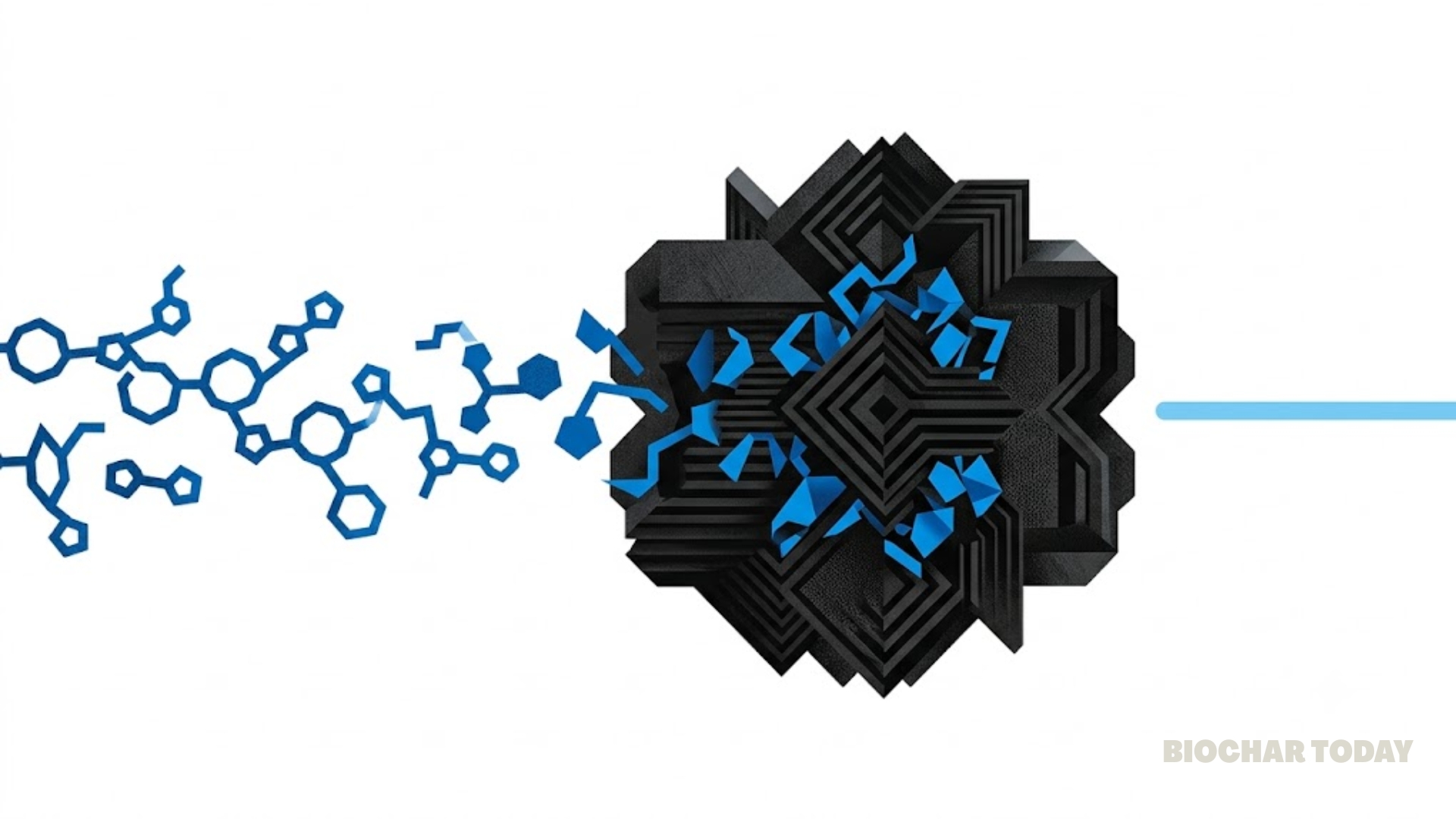
The proposed solution involves amending poultry litter with biochar to exploit the material’s high adsorptive capacity. Biochar’s porous structure allows it to act as a functional sponge, capturing nitrate and phosphorus molecules before they can be carried away by surface runoff or groundwater infiltration. Speir’s research will initially focus on quantifying these interactions within the Brush Creek Watershed over a two-year period. Following this controlled phase, the study will expand to include volunteer farms to test the solution under diverse, real-world agricultural conditions. This phased approach is designed to validate the technical feasibility of biochar-litter mixtures as a standard best management practice for livestock-heavy regions.
Anticipated outcomes of the study include a substantial reduction in the environmental footprint of local poultry operations. The research team projects a 15-25% decrease in nitrate loss and a 5-10% reduction in phosphorus loss from fields treated with the biochar-amended litter. Beyond immediate nutrient reduction, the project aims to establish a scalable model for improving soil health and moisture retention, thereby enhancing agricultural resilience to drought. If successful, these results will provide a scientific foundation for regulatory frameworks and corporate sustainability initiatives, offering a viable pathway to mitigate the pollution of vital watersheds while maintaining agricultural productivity.



Leave a Reply