

Tapestry, Inc., the New York-based parent company of luxury brands Coach and Kate Spade, has entered into a ten-year agreement with the Swiss carbon removal leader Climeworks. Announced in February 2026, this partnership marks Tapestry’s first purchase of carbon dioxide removal (CDR) credits to address its Scope 1 emissions. The agreement utilizes Climeworks’ most diversified portfolio to date, which integrates five distinct carbon removal pathways. By securing these credits, Tapestry becomes the first North American retail and consumer goods company to utilize Climeworks’ scaled portfolio approach, signaling a shift in how the fashion industry manages its long-term climate obligations and decarbonization strategies.
The primary challenge addressed by this partnership is the difficulty global retail brands face in neutralizing unavoidable Scope 1 emissions while navigating the risks of an emerging carbon market. For large-scale organizations, relying on a single CDR method can expose the company to delivery risks and regulatory shifts. Tapestry required a solution that balanced innovation with scientific robustness to meet its validated Science Based Targets initiative (SBTi) goals. This collaboration specifically addresses the need for high-quality, permanent sequestration methods that go beyond traditional avoidance offsets, which often lack the permanence required for true net-zero alignment in the corporate sector.
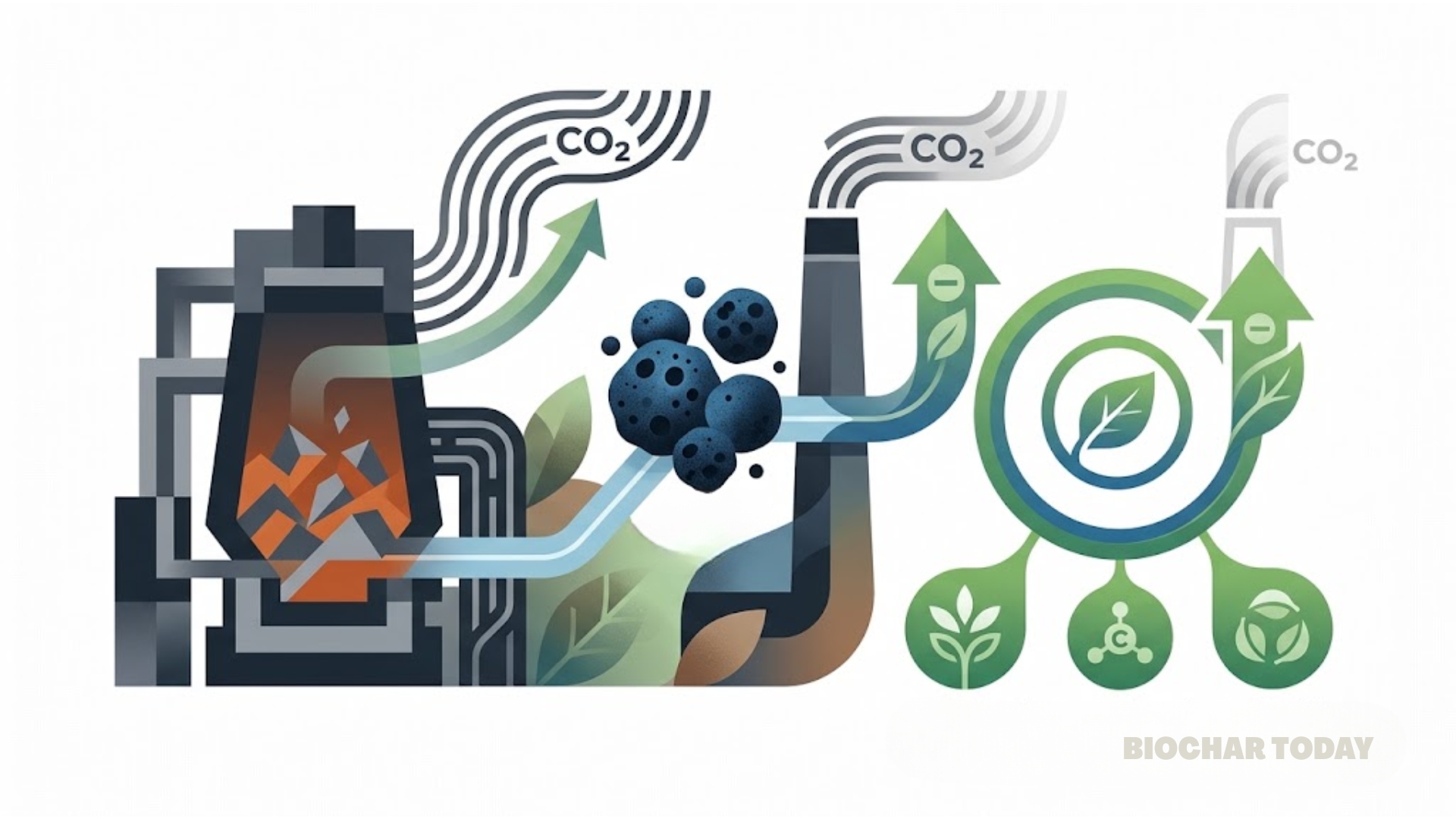
The solution is found in a diversified CDR portfolio that blends engineered and nature-based technologies. Central to this strategy is the inclusion of biocharBiochar is a carbon-rich material created from biomass decomposition in low-oxygen conditions. It has important applications in environmental remediation, soil improvement, agriculture, carbon sequestration, energy storage, and sustainable materials, promoting efficiency and reducing waste in various contexts while addressing climate change challenges. More alongside direct air capture (DAC), enhanced rock weathering, bioenergy with carbon capture and storage (BECCS), and afforestation. By incorporating biochar, the portfolio leverages a solution that thermally decomposes biomassBiomass is a complex biological organic or non-organic solid product derived from living or recently living organism and available naturally. Various types of wastes such as animal manure, waste paper, sludge and many industrial wastes are also treated as biomass because like natural biomass these More to lock carbon into a stable, solid form. This multi-pathway approach allows Climeworks to provide Tapestry with a risk-mitigated supply of credits. The biochar component provides immediate scalability and significant co-benefits, such as improved soil health and water retention, which complement the high-permanence engineered solutions like DAC.
The outcomes of this agreement include a secured, decade-long supply of high-quality carbon removals for Tapestry, effectively supporting the brand’s transition toward a low-carbon business model. By committing to a ten-year term, Tapestry provides the necessary demand signal to help Climeworks and its biochar partners scale these technologies toward gigaton capacity. For the biochar industry, this partnership validates the material’s role as a critical pillar in corporate ESG portfolios. It demonstrates that biochar is no longer a niche agricultural amendment but a primary tool for multinational corporations to achieve verifiable and permanent carbon sequestration.


Leave a Reply