

Key Takeaways
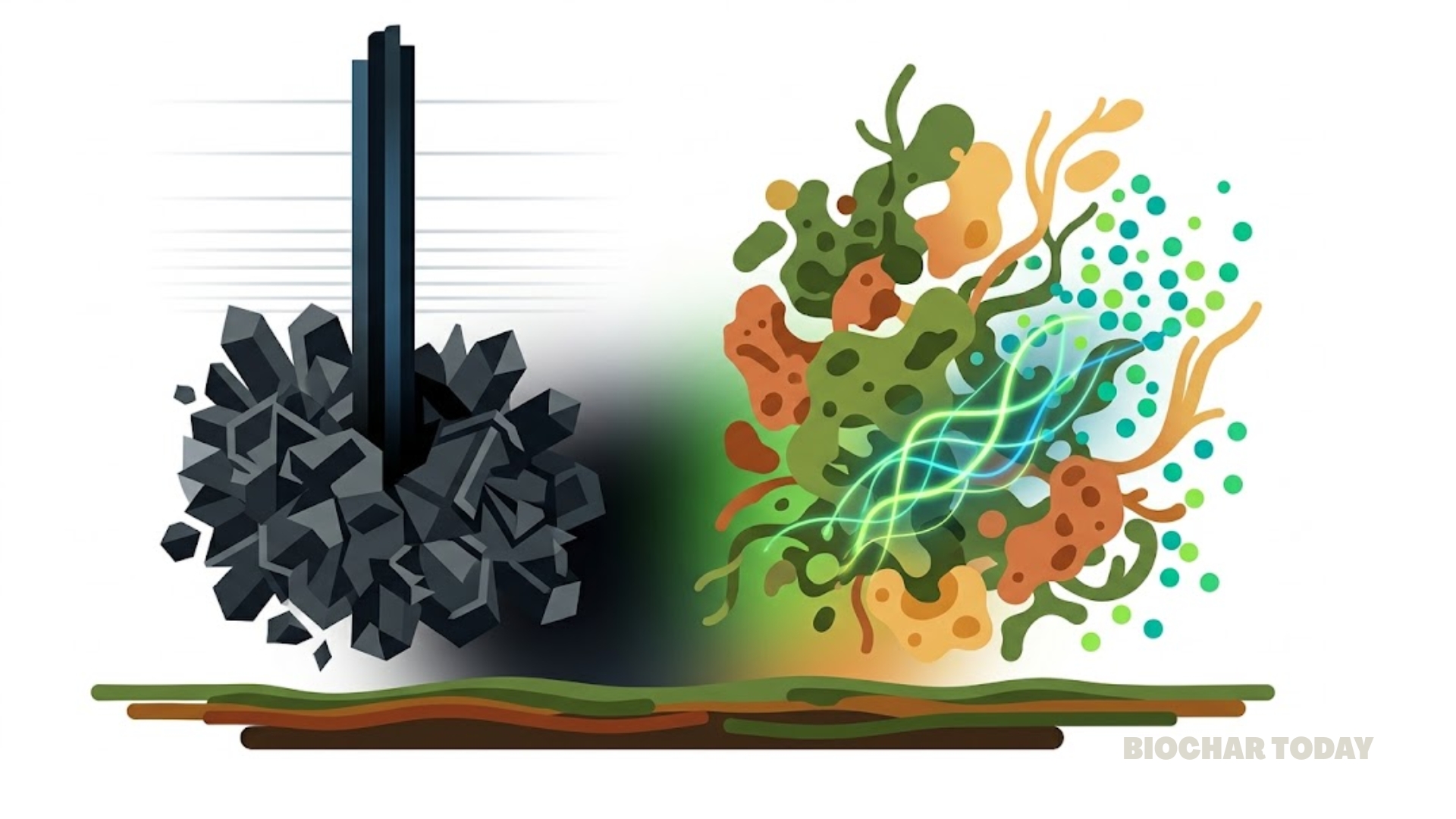
- A specific mixture of rice husk biocharBiochar is a carbon-rich material created from biomass decomposition in low-oxygen conditions. It has important applications in environmental remediation, soil improvement, agriculture, carbon sequestration, energy storage, and sustainable materials, promoting efficiency and reducing waste in various contexts while addressing climate change challenges. More and beneficial bacteria helps unlock phosphorus already present in the soil for plants to use.
- This soil treatment leads to much larger and more complex root systems, allowing the tomatoes to drink and eat more effectively.
- Plants treated with this mixture grow more branches that actually produce fruit rather than just leaves.
- Using this natural soil additive can significantly increase the total amount of tomatoes harvested in greenhouse farms.
- This method offers a more environmentally friendly way to farm by reducing the need for heavy chemical fertilizers.
The pursuit of sustainable high-value agriculture has taken a significant step forward with new research published in the journal Biochar by Sainan Liu and a team of investigators. Their study focuses on the challenges of greenhouse cherry tomato cultivation, where essential nutrients like phosphorus often become trapped in the soil in forms that plants cannot easily absorb. To solve this, the researchers developed a bio-organic soil amendmentA soil amendment is any material added to the soil to enhance its physical or chemical properties, improving its suitability for plant growth. Biochar is considered a soil amendment as it can improve soil structure, water retention, nutrient availability, and microbial activity. More consisting of a consortium of three phosphorus-solubilizing Bacillus strains carried on rice husk biochar. This synergistic pairing creates a protected environment for the beneficial bacteria, allowing them to survive and thrive in the soil more effectively than if they were applied alone.
The primary impact of this consortium is the dramatic mobilization of legacy phosphorus within the soil. In greenhouse environments, much of the applied fertilizer undergoes chemical reactions that make it unavailable to crops. The study found that applying the biochar-bacteria mixture increased soil available phosphorus in the rhizosphere by more than ten percent during the early growth stages. Even more impressive was the nearly 175 percent increase in microbial biomassBiomass is a complex biological organic or non-organic solid product derived from living or recently living organism and available naturally. Various types of wastes such as animal manure, waste paper, sludge and many industrial wastes are also treated as biomass because like natural biomass these More phosphorus, suggesting that the treatment stimulates a rapid turnover of nutrients through the soil’s living community. This process is supported by a 68.52 percent increase in alkaline phosphatase activity, an enzyme critical for breaking down organic phosphorus into forms that the tomato plants can take up.
As the phosphorus became more available, the cherry tomato plants underwent a physical transformation starting beneath the soil surface. The researchers observed significant improvements in root architecture, noting that the treated plants developed longer roots with greater surface area and volume. This expanded root system acted as a more efficient engine for nutrient acquisition, leading to a nearly 20 percent boost in overall phosphorus uptake efficiency. By building a better foundation, the plants were able to accumulate 38.11 percent more total dry weight compared to plants grown under standard fertilization methods. These results highlight how improving the soil’s biological health directly translates to more robust plant growth.
The benefits of the treatment extended well beyond the roots and into the reproductive development of the cherry tomatoes. Inflorescence architecture, or how the plant branches out to produce flowers and fruit, is the main factor determining final harvest numbers. The study found that the biochar-bacteria consortium significantly increased the proportion of effective fruit branches. While the individual weight of each tomato decreased slightly, the sheer number of fruits per plant jumped by nearly 25 percent. This shift in how the plant allocates its energy led to a total yield increase of 23.53 percent per hectare, demonstrating that the consortium optimizes the plant’s reproductive output.
Beyond the physical growth of the crop, the study utilized advanced molecular analysis to show how the soil’s bacterial community was restructured. The application of the consortium enriched the soil with beneficial genera like Bacillus and Sphingomonas, which are known for promoting plant growth. At the same time, it reduced the presence of less beneficial microbes. This shift toward a more specialized, phosphorus-mobilizing microbial community explains the long-term success of the treatment throughout the growing season. The researchers concluded that the interaction between the porous biochar and the specialized bacteria creates a self-sustaining cycle of nutrient release and plant growth.
Ultimately, this research provides a clear roadmap for the sustainable intensification of greenhouse farming. By utilizing a biochar-Bacillus consortium, farmers can unlock the hidden potential of nutrients already sitting in their soil, reducing the environmental footprint of heavy fertilization while simultaneously increasing their profits. The study proves that by managing the tiny life forms within the soil and providing them with the right home, we can achieve significant gains in food production. This approach offers a powerful tool for modern agriculture to meet the demands of a growing population without sacrificing the health of the agricultural ecosystem.
Source: Liu, S., Shi, Y., Zhang, A., Huang, Y., Cao, D., & Lan, Y. (2026). Synergistic biochar-Bacillus consortium enhances phosphorus availabilityPhosphorus is another essential nutrient for plant growth, but it can sometimes be locked up in the soil and unavailable to plants. Biochar can help release phosphorus from the soil and make it more accessible to plants, reducing the need for chemical fertilizers. More, root architecture, and inflorescence development in greenhouse cherry tomato. Biochar, 8(66).

Leave a Reply