
Key Takeaways
- Mixing sewage waste with plant materials like wood chips or rice shells creates a much safer and more stable product for gardens and farms.
- Adding wood waste to the process can increase the carbon content of the final product and helps corn seeds sprout more effectively.
- This recycling method significantly lowers the concentration of potentially harmful heavy metals found in city waste.
- Modern processing at high temperatures ensures the resulting material stays stable in the ground for a long time to help the environment.
- Rice husks are particularly good at making the final product more porous, which helps the soil hold onto water and nutrients better.
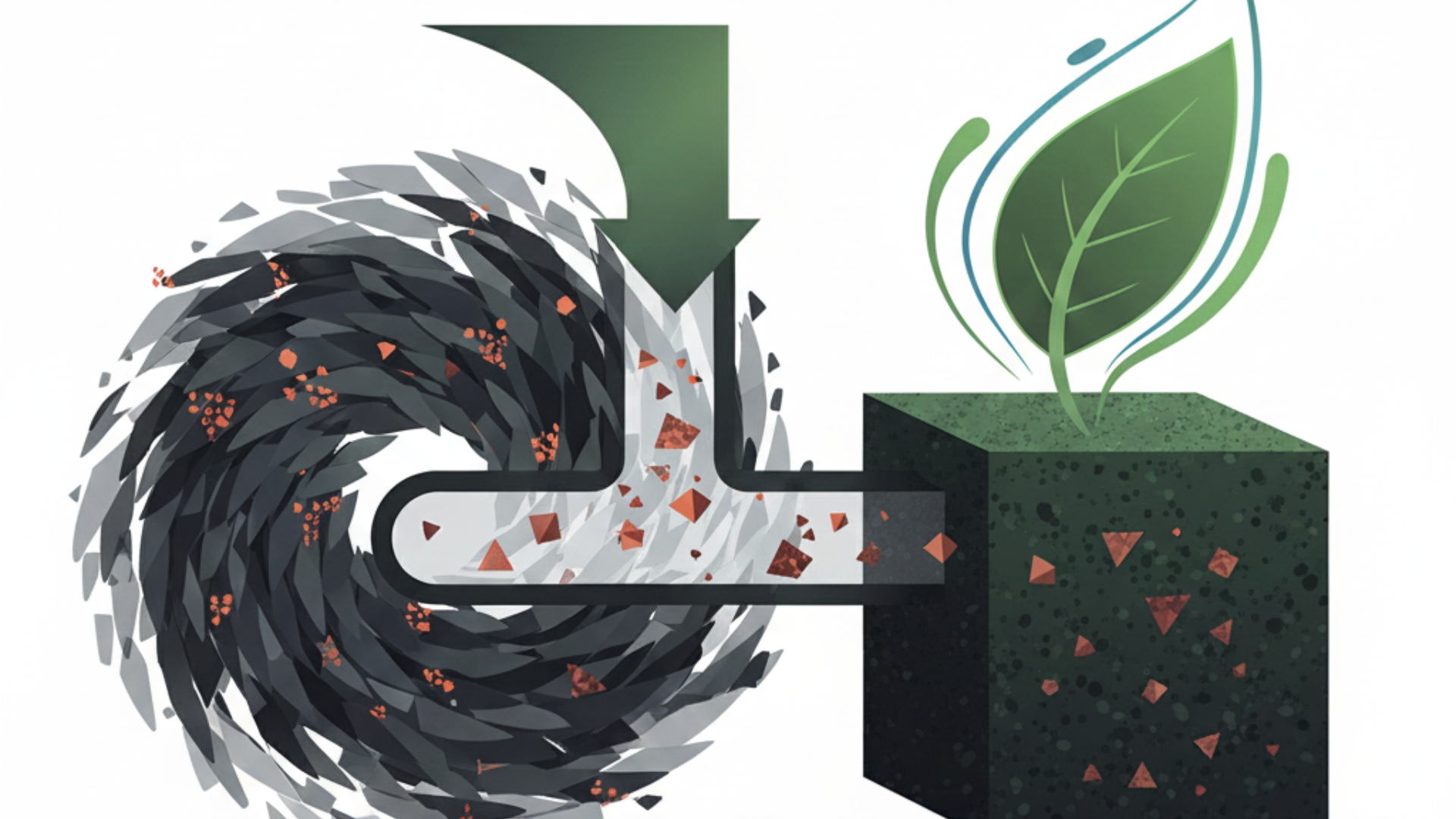
The management of urban biosolids produced by wastewater treatment plants remains a major environmental challenge due to potential toxicity and disposal needs. A recent study published in the journal Eng by Luz María Landa-Zavaleta and an international team of researchers explores co-pyrolysis as a sustainable solution. By heating these biosolids alongside agricultural leftovers like rice husk and pruning waste, the scientists transformed problematic waste into high-quality biocharBiochar is a carbon-rich material created from biomass decomposition in low-oxygen conditions. It has important applications in environmental remediation, soil improvement, agriculture, carbon sequestration, energy storage, and sustainable materials, promoting efficiency and reducing waste in various contexts while addressing climate change challenges. More. This thermal conversion process creates a stable, carbon-rich material that can improve soil health while safely locking away contaminants. The research demonstrates that combining different types of waste materials actually produces a better end product than processing city sludge on its own.
Temperature plays a vital role in determining the quality and safety of the final biochar product. When the mixture was heated to between 400 and 500 degrees Celsius, the resulting material met the strict stability criteria set by major international biochar organizations. Higher temperatures encouraged the formation of stable aromatic structures, which are essential for long-term carbon storage in the soil. While processing biosolids alone often results in high ashAsh is the non-combustible inorganic residue that remains after organic matter, like wood or biomass, is completely burned. It consists mainly of minerals and is different from biochar, which is produced through incomplete combustion. Ash Ash is the residue that remains after the complete More content and a lack of pores, adding plant-based materials changed the structural makeup of the char. The researchers observed that these higher temperatures also helped in reducing the acidity of the material, making it more suitable for a variety of different soil types.
One of the most significant findings of the study was the dramatic reduction in heavy metal risks through a process known as the dilution effect. By incorporating lignocellulosic biomassBiomass is a complex biological organic or non-organic solid product derived from living or recently living organism and available naturally. Various types of wastes such as animal manure, waste paper, sludge and many industrial wastes are also treated as biomass because like natural biomass these More, the researchers successfully lowered the relative concentrations of metals like zinc, lead, and copper. In some specific mixtures, the ash content was reduced by as much as 61 percent compared to pure biosolid products. Although zinc remained a challenging element to manage, the majority of the produced biochars stayed well within the safety limits established for agricultural use. This suggests that co-pyrolysis is not just a waste disposal method but a sophisticated way to engineer safer soil amendments from hazardous starting materials.
The practical benefits of these engineered biochars were clearly seen in biological tests using maize, which is a critical food crop. Biochars created with pruning waste showed a remarkable stimulatory effect on seed germination and early root development. In particular, one specific mixture of biosolids and wood waste achieved a germination index of 172 percent, indicating it was significantly more effective than standard soil. On the other hand, mixtures containing rice husk were superior at increasing the overall height and fresh weight of the young plants. These findings show that farmers could potentially choose different waste mixtures depending on whether they need to help seeds sprout or help young plants grow larger and heavier.
Beyond just helping plants grow, the physical structure of the biochar was improved through these waste combinations. The addition of rice husk promoted greater surface area and more complex internal pores, which are essential for housing beneficial soil microbes and holding onto moisture. Microscopic analysis revealed that the smooth, closed surface of raw waste transformed into a rough, honeycomb-like structure after the heat treatment. This physical transformation is what allows biochar to act like a sponge in the dirt, preventing nutrients from washing away during heavy rains. The study concludes that this integrated waste management strategy provides a reliable way to turn urban liabilities into agricultural assets while meeting international safety standards.
Source: Landa-Zavaleta, L. M., Ramírez-Valdespino, C. A., Castillo-Baltazar, O. S., Rodríguez-Alejandro, D. A., Leyva-Porras, C., Negrete-Rodríguez, M. L. X., Patiño-Galván, H., Álvarez-Bernal, D., Lastiri-Hernández, M. A., & Conde-Barajas, E. (2026). Co-pyrolysis of urban biosolids with rice husk and pruning waste: Effects on biochar quality, stability and agricultural applicability. Eng, 7(1), 32.



Leave a Reply