
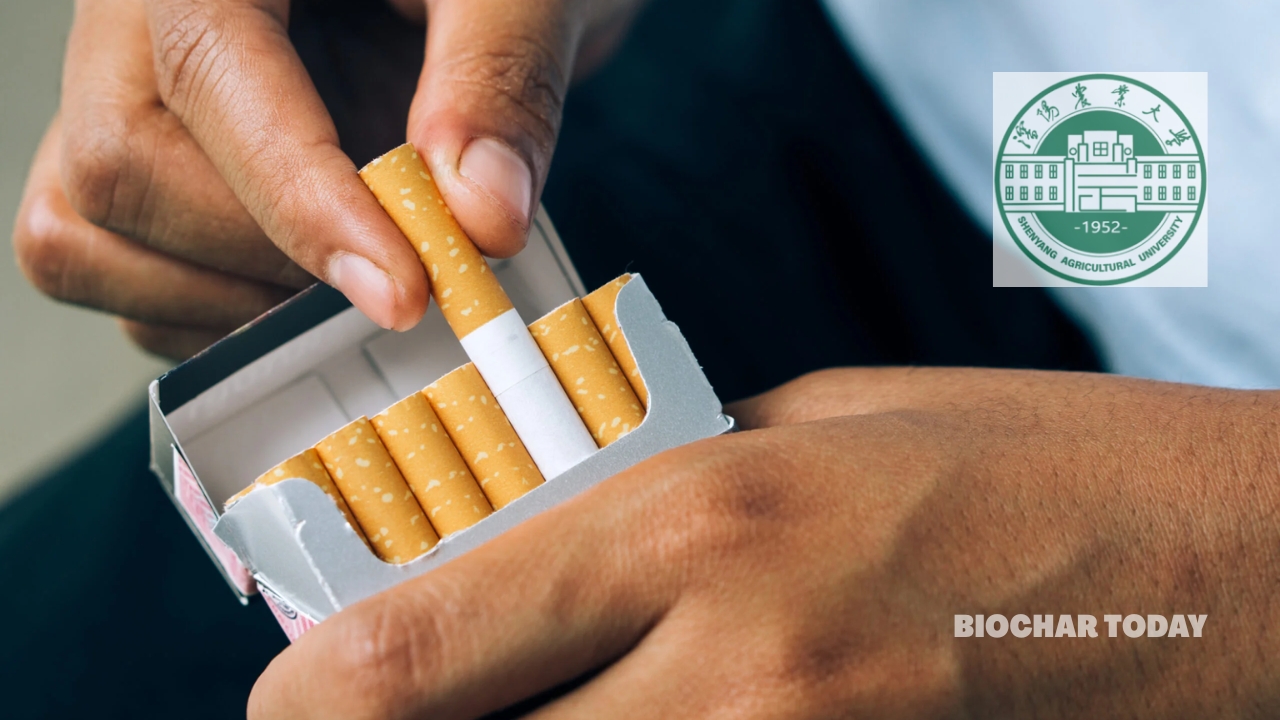
Researchers at Shenyang Agricultural University in China have successfully developed a method to convert discarded cigarette butts into advanced, nitrogen and oxygen co-doped nanoporous biocharBiochar is a carbon-rich material created from biomass decomposition in low-oxygen conditions. It has important applications in environmental remediation, soil improvement, agriculture, carbon sequestration, energy storage, and sustainable materials, promoting efficiency and reducing waste in various contexts while addressing climate change challenges. More. This study highlights a significant opportunity for the biochar industry to transition from a waste-management liability into a high-value technological asset. By utilizing hydrothermal carbonization followed by chemical activation, the team produced a carbon material that exhibits exceptional conductivity and stability. This innovation positions common environmental litter as a viable, inexpensive feedstockFeedstock refers to the raw organic material used to produce biochar. This can include a wide range of materials, such as wood chips, agricultural residues, and animal manure. More for the next generation of energy storage devices, specifically supercapacitors, which are essential for fast-charging electronics and renewable energy systems.
The primary challenge addressed by this research is the staggering volume of global cigarette waste—estimated at over eight million tons annually—which poses severe environmental risks due to the slow decay of cellulose acetate and the leachingLeaching is the process where nutrients are dissolved and carried away from the soil by water. This can lead to nutrient depletion and environmental pollution. Biochar can help reduce leaching by improving nutrient retention in the soil. More of toxic chemicals. Managing this ubiquitous litter is historically costly and logistically difficult. Simultaneously, the energy sector faces a growing demand for sustainable, low-cost electrode materials that do not rely on expensive or environmentally damaging precursors. Finding a way to upcycle this persistent waste into a functional material requires overcoming the structural limitations of raw cellulose acetate to create the high surface area necessary for efficient energy storage.
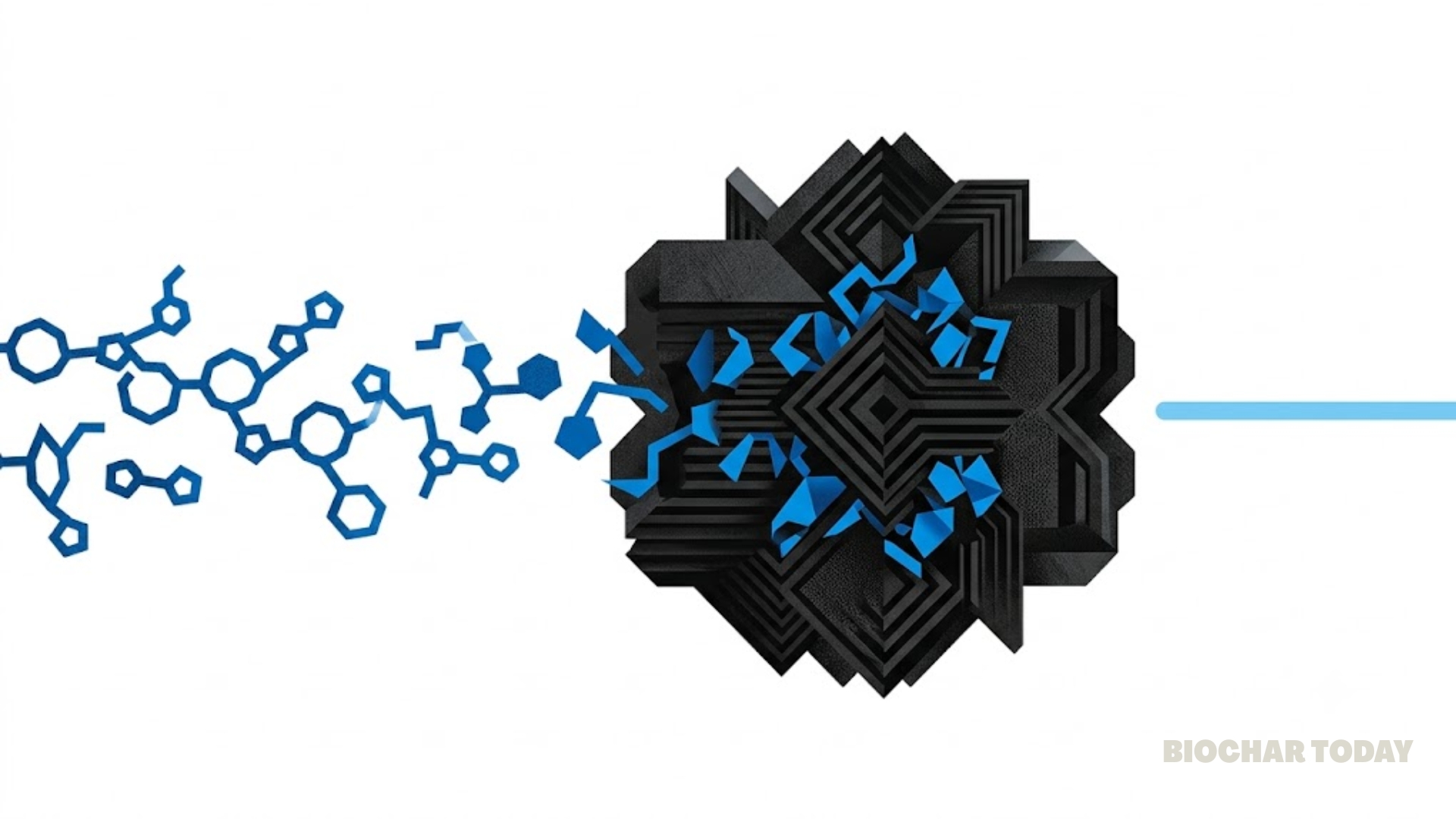
The solution developed by the Shenyang Agricultural University team involves a specialized two-step thermal and chemical treatment process to engineer the biochar’s architecture. By applying an activation temperature of 700 degrees Celsius, the researchers created a “hierarchical” pore structure that combines tiny micropores for charge storage with larger channels for rapid ion movement. This process also “dopes” the carbon with nitrogen and oxygen atoms, which creates active chemical sites that further boost storage capacity. The resulting biochar achieved a remarkable surface area of over 2,100 square meters per gram, providing a massive internal landscape for capturing and releasing electrical energy.
The outcomes of this study demonstrate that cigarette-derived biochar can outperform many existing commercial carbon alternatives. In laboratory tests, the material achieved a high energy density of over 24 watt-hours per kilogram and maintained 95 percent of its capacity after 10,000 charge and discharge cycles. These results indicate that the material is not only powerful but also incredibly durable for long-term industrial use. From a market perspective, this breakthrough suggests a circular economy model where the cost of environmental cleanup is offset by the production of high-value energy materials, potentially lowering the overall price and carbon footprint of supercapacitor manufacturing. Biochar Today has already featured the published research in our science news section.


Leave a Reply