

Key Takeaways
- Hydrogen bonding between the nitrogen groups of antibiotics and the oxygen groups on biocharBiochar is a carbon-rich material created from biomass decomposition in low-oxygen conditions. It has important applications in environmental remediation, soil improvement, agriculture, carbon sequestration, energy storage, and sustainable materials, promoting efficiency and reducing waste in various contexts while addressing climate change challenges. More surfaces is the primary reason for effective water cleaning.
- Doxycycline is removed from water much faster than other common antibiotics like tetracycline or oxytetracycline when using rice straw biochar.
- Certain chemical attachments on the antibiotic molecules act like boosters that strengthen the bond with biochar, leading to higher removal efficiency.
- The acidity of the water significantly changes how well these antibiotics stick to biochar, with slightly acidic conditions often working best.
- Advanced computer modeling can now accurately predict how fast different types of antibiotics will be absorbed by biochar based on their molecular shape.
The presence of tetracycline antibiotics in aquatic environments is a growing concern due to their role in spreading antibiotic-resistant genes and disrupting ecosystems. Research published in the journal Biochar X by Jiayi Yao, Jihao Ji, Jiahong Zhang, and Jing Fang investigates how the specific molecular structure of these drugs determines how effectively they can be removed from water using biochar. While biochar has long been recognized as an effective tool for water remediation, previous studies often treated all tetracyclines as a single group. This new research clarifies that even small differences in the molecular makeup of these antibiotics can lead to dramatic differences in how fast and how thoroughly they are adsorbed onto biochar surfaces.
The fundamental challenge in remediating antibiotic pollution is the structural diversity of the contaminants themselves. Tetracyclines like oxytetracycline, minocycline, and doxycycline share a similar four-ring core but differ in the small chemical groups attached to those rings. These variations change the electronic properties of the molecules, affecting how they interact with the surface of an adsorbent. Most current water treatment models fail to account for this heterogeneity, leading to unpredictable results in real-world wastewater treatment where multiple types of antibiotics are present simultaneously. Without understanding these specific interactions, engineers cannot optimize biochar production to target the most persistent or dangerous pollutants effectively.
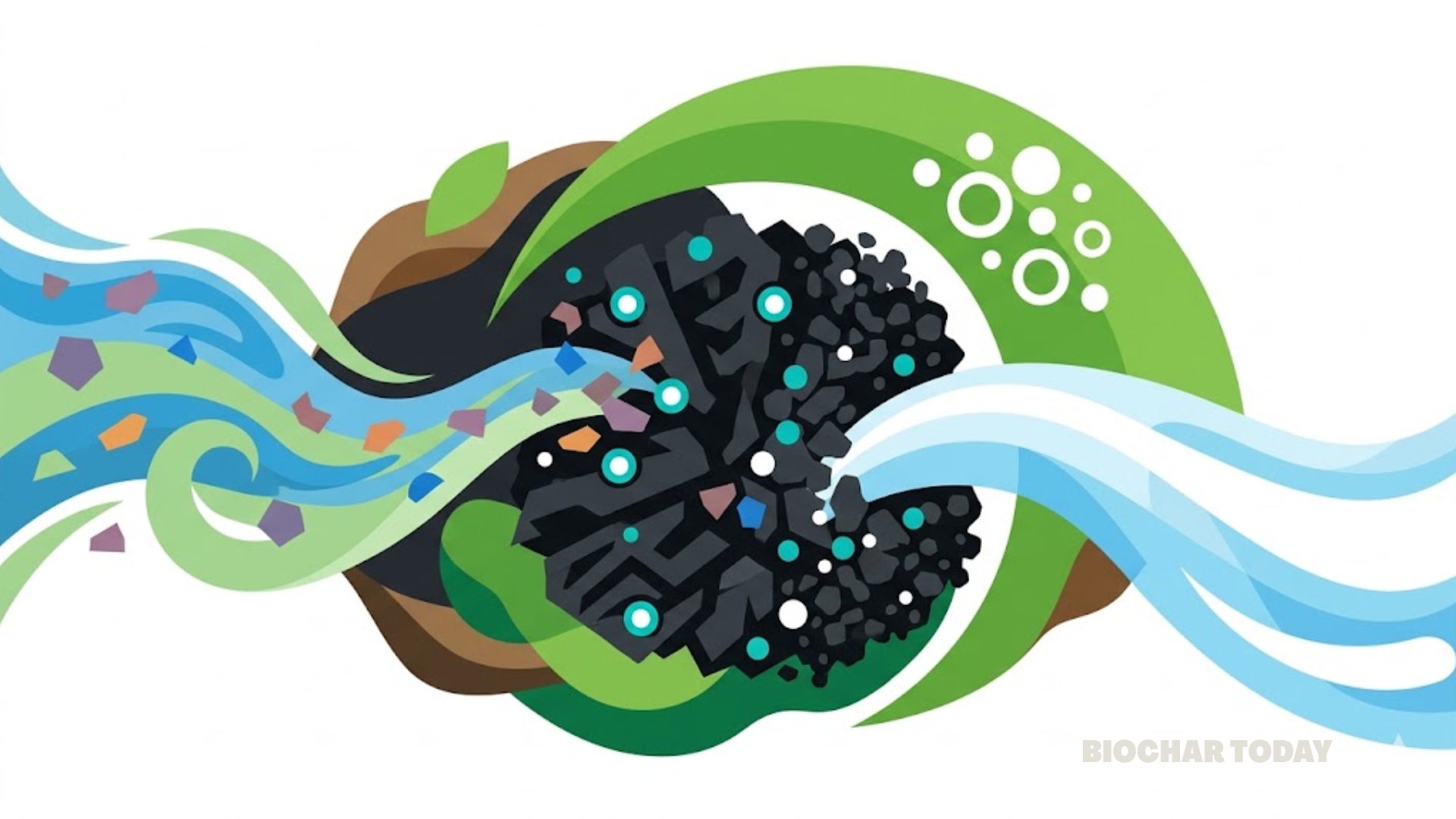
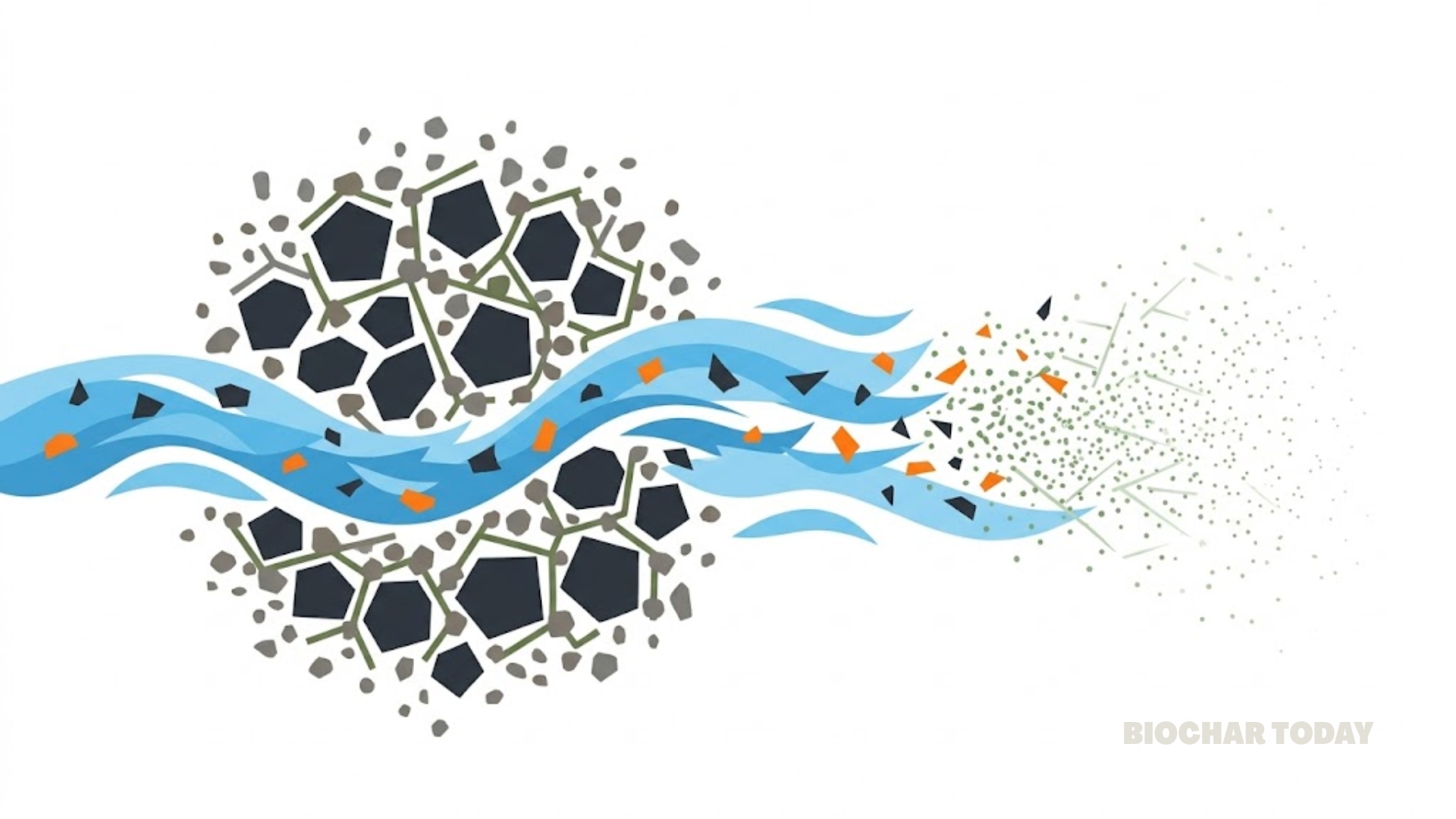
The researchers identified that the primary mechanism for cleaning these antibiotics from water is a specific type of hydrogen bonding. The nitrogen-containing amide groups on the antibiotic molecules seek out and bind to the oxygen-containing carbonyl groups on the biochar surface. At lower concentrations, the antibiotics are highly selective, preferring to bind with carboxyl groups before interacting with other oxygen sites. The study found that certain chemical attachments, known as electron-donating groups, push more electrons toward the binding site of the antibiotic, making the bond with biochar much stronger. Conversely, other attachments can pull electrons away, weakening the connection and slowing down the cleaning process.
Quantitative results from the study show a clear hierarchy in how effectively different antibiotics are removed. The adsorption rate followed a specific order: doxycycline was the fastest, followed by minocycline, tetracycline, methacycline, and finally oxytetracycline. Specifically, at a neutral pHpH is a measure of how acidic or alkaline a substance is. A pH of 7 is neutral, while lower pH values indicate acidity and higher values indicate alkalinity. Biochars are normally alkaline and can influence soil pH, often increasing it, which can be beneficial More, the 24-hour removal efficiency for doxycycline reached 95.3 percent, whereas oxytetracycline only reached 58.6 percent under the same conditions. Doxycycline’s superior performance is attributed to its unique molecular substituents that enhance electronic polarization, thereby strengthening the hydrogen bonds. The research also highlighted that at very low concentrations, biochar could achieve over 97 percent removal efficiency across a wide range of water acidity levels.
These findings provide a mathematical foundation for predicting how different antibiotics will behave in the environment and how they can be captured. By using multiple linear regression and principal component analysis, the authors created a model that links the physical structure of the antibiotic directly to its adsorption speed. This allows for the customization of biochar to be more efficient. For example, knowing that carbonyl groups on biochar are the preferred “landing pads” for these pollutants, producers can adjust the temperature or materials used to make biochar to maximize those specific surface features. This work shifts the focus from general water treatment to precision environmental engineering, providing a roadmap for more effective removal of pharmaceutical waste from the world’s water supply.
Source: Yao, J., Ji, J., Zhang, J., & Fang, J. (2026). Molecular structure-dependent adsorption mechanisms of tetracycline antibiotics congeners on biochar. Biochar X, 2, e008.

Leave a Reply