

Key Takeaways
- Scientists have found a way to turn common brown seaweed into a powerful filter that can clean dangerous chemicals out of water.
- This seaweed-based material is especially good at trapping common pesticides used in farming that often pollute local water supplies.
- The cleaning power of this material changes depending on how hot it is heated during production, with middle temperatures working best.
- Because it is made from ocean plants, this new filter is a low-cost and environmentally friendly alternative to expensive chemical treatments.
- This discovery helps protect public health by providing a sustainable way to ensure communities have access to safer, toxin-free drinking water.
The journal Scientific Reports recently featured the work of authors Rehana Raj, Greeshma S.S, Sifana Sharaf, Niladri Shekhar Chatterjii, Arputharaj A, Laly S.J, and Asha K.K, who explored the potential of marine biomassBiomass is a complex biological organic or non-organic solid product derived from living or recently living organism and available naturally. Various types of wastes such as animal manure, waste paper, sludge and many industrial wastes are also treated as biomass because like natural biomass these More for water purification. Their research focuses on a process called valorization, which turns underutilized brown seaweed into functional biocharBiochar is a carbon-rich material created from biomass decomposition in low-oxygen conditions. It has important applications in environmental remediation, soil improvement, agriculture, carbon sequestration, energy storage, and sustainable materials, promoting efficiency and reducing waste in various contexts while addressing climate change challenges. More through controlled heating. This study arrives at a critical time as global challenges regarding clean water access and food security intensify. By using a renewable resource that often causes disposal problems in coastal regions, the team developed a strategy that fits perfectly within a circular bioeconomy. The primary goal was to see how different production temperatures affected the ability of this seaweed charcoalCharcoal is a black, brittle, and porous material produced by heating wood or other organic substances in a low-oxygen environment. It is primarily used as a fuel source for cooking and heating. More to grab onto and hold harmful pollutants commonly found in agricultural runoff.
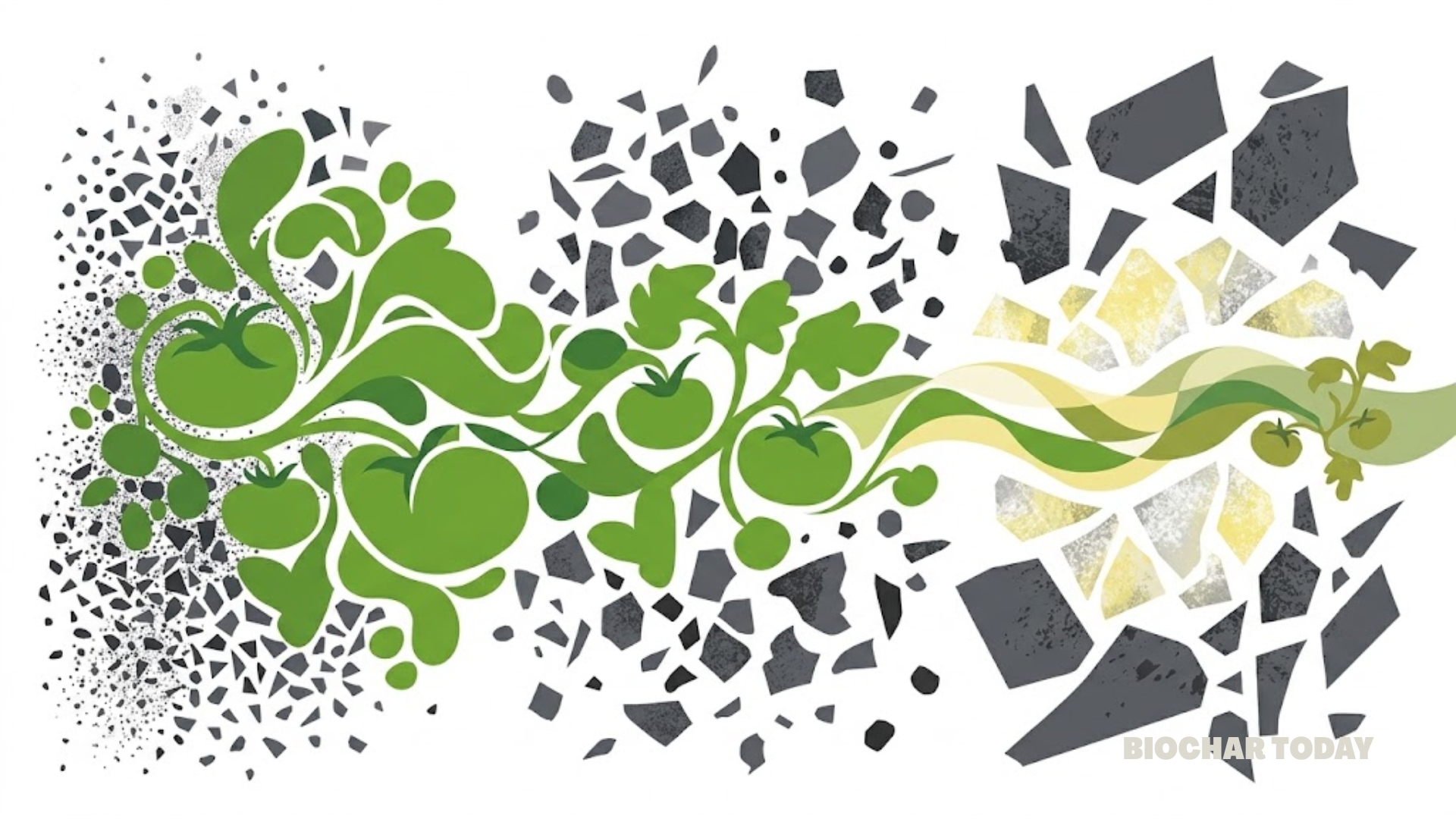
The team discovered that the temperature used during the production of biochar is the most important factor in determining how well it cleans water. As they increased the heat from 350 to 600 degrees Celsius, they observed a steady decline in the amount of material produced, but a significant increase in its cleaning quality. Specifically, higher temperatures led to a material that was much more alkaline and possessed a stronger negative surface charge. These physical changes are vital because they create more active sites where contaminants can stick. The researchers found that heating the seaweed to approximately 500 degrees Celsius provided the best balance, creating a material that is both efficient to produce and incredibly effective at removing toxins. At this specific temperature, the biochar developed a complex structure of tiny pores and aromatic carbon rings that act like a molecular magnet for pesticides.
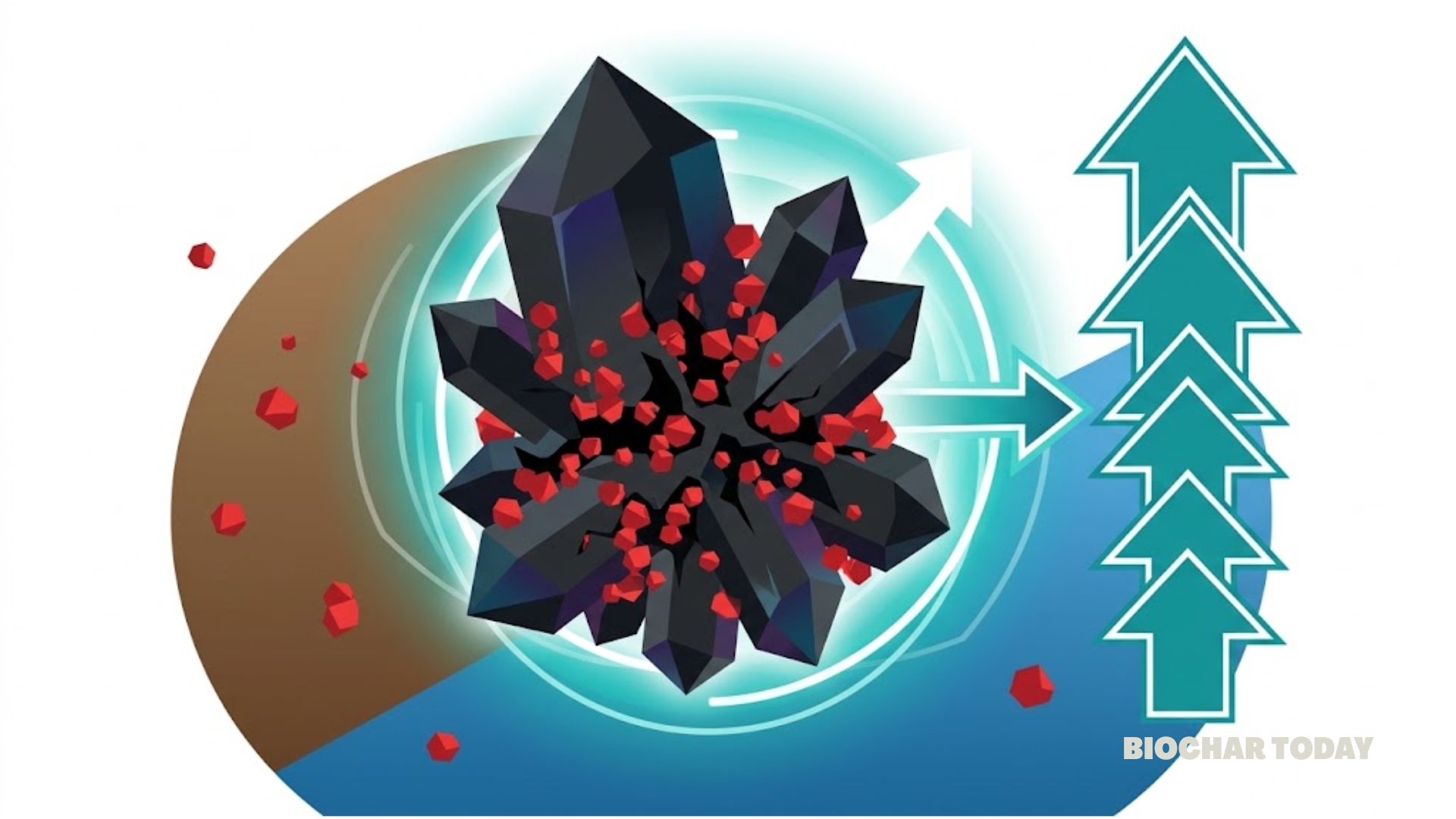
To test the practical use of this material, the scientists spiked water samples with two common pesticides, cypermethrin and deltamethrin, and introduced the seaweed biochar. The results were remarkably consistent across all tests, with the biochar removing more than 99.9 percent of the pesticides after six days of contact. While all the samples performed well, the biochar created at 500 degrees Celsius left behind the absolute lowest amount of chemicals in the water. This high level of performance is attributed to the way the pesticides interact with the carbon structure. Because these pesticides are hydrophobic, meaning they do not like water, they are naturally drawn to the oily, carbon-rich surfaces of the biochar. The stable aromatic clusters formed at higher heats provide the perfect landing spots for these pollutants, locking them away and leaving the water purified.
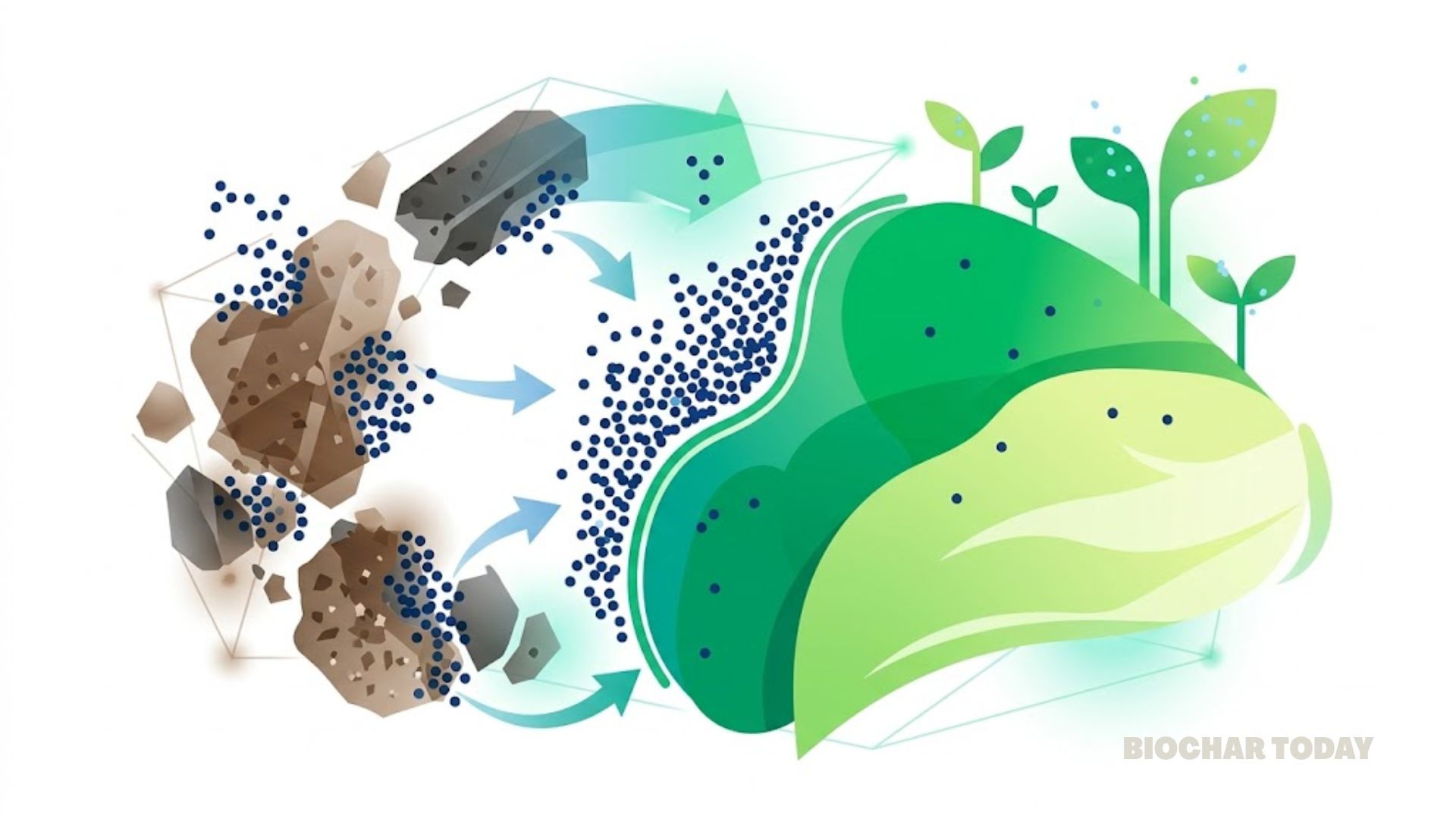
Beyond its ability to trap pesticides, the seaweed biochar proved to be a treasure trove of beneficial minerals. Unlike biochar made from land plants like wood or straw, this marine-derived version is packed with alkali and alkaline-earth metals such as potassium, sodium, calcium, and magnesium. These minerals naturally concentrate as the organic parts of the seaweed burn away. This mineral enrichment is a major advantage for water treatment because it allows the biochar to help buffer the water’s acidity and potentially remove other types of waste, such as heavy metals or excess nutrients. The presence of these minerals also contributes to the material’s negative charge, which helps it pull in positively charged pollutants through electrostatic attraction.
This research highlights a sustainable path forward for environmental protection by turning a coastal nuisance into a high-value tool for public health. Sargassum seaweed often blooms in massive amounts, clogging beaches and creating expensive cleanup problems for local governments. By harvesting this biomass and converting it into biochar, we can solve a waste problem while simultaneously creating a low-cost solution for water pollution. The study concludes that this seaweed-derived biochar is a highly efficient and economically viable adsorbent. It offers a practical way to meet international goals for clean water and sanitation while supporting the development of green technologies that do not rely on harsh chemicals or expensive manufacturing processes.
Source: Raj, R., S.S, G., Sharaf, S., Chatterjii, N. S., Arputharaj, A., Laly, S. J., & Asha, K. K. (2026). Valorization of Sargassum wightii through biochar production: development, characterization, and potential applications. Scientific Reports.

Leave a Reply