

This study explored the potential of nano-biochar, a recycled material derived from waste sludge, to enhance the properties of mortar. By incorporating these tiny charcoal-like particles into mortar mixtures, researchers aimed to achieve both environmental sustainability and improved performance.
Key findings:
- Adding specific amounts of municipal sewage sludge nano-biochar (BCSS) significantly increased flexural strength (23%) and fracture energy (100%) compared to standard mortar.
- Compressive strength and compressive fracture energy also saw improvements of 17% and 28%, respectively, with higher BCSS content.
- Hybrid biocharBiochar is a carbon-rich material created from biomass decomposition in low-oxygen conditions. It has important applications in environmental remediation, soil improvement, agriculture, carbon sequestration, energy storage, and sustainable materials, promoting efficiency and reducing waste in various contexts while addressing climate change challenges. More combinationsincorporating other materials further enhanced strength and ductility.
This research marks the first exploration of nanoscale biochar and waste-derived biochar in cement composites. Hybrid biochar approaches offer additional avenues for property optimization. Utilizing biochar in construction materials promotes waste recyclingwhile improving environmental impactand mechanical performance.
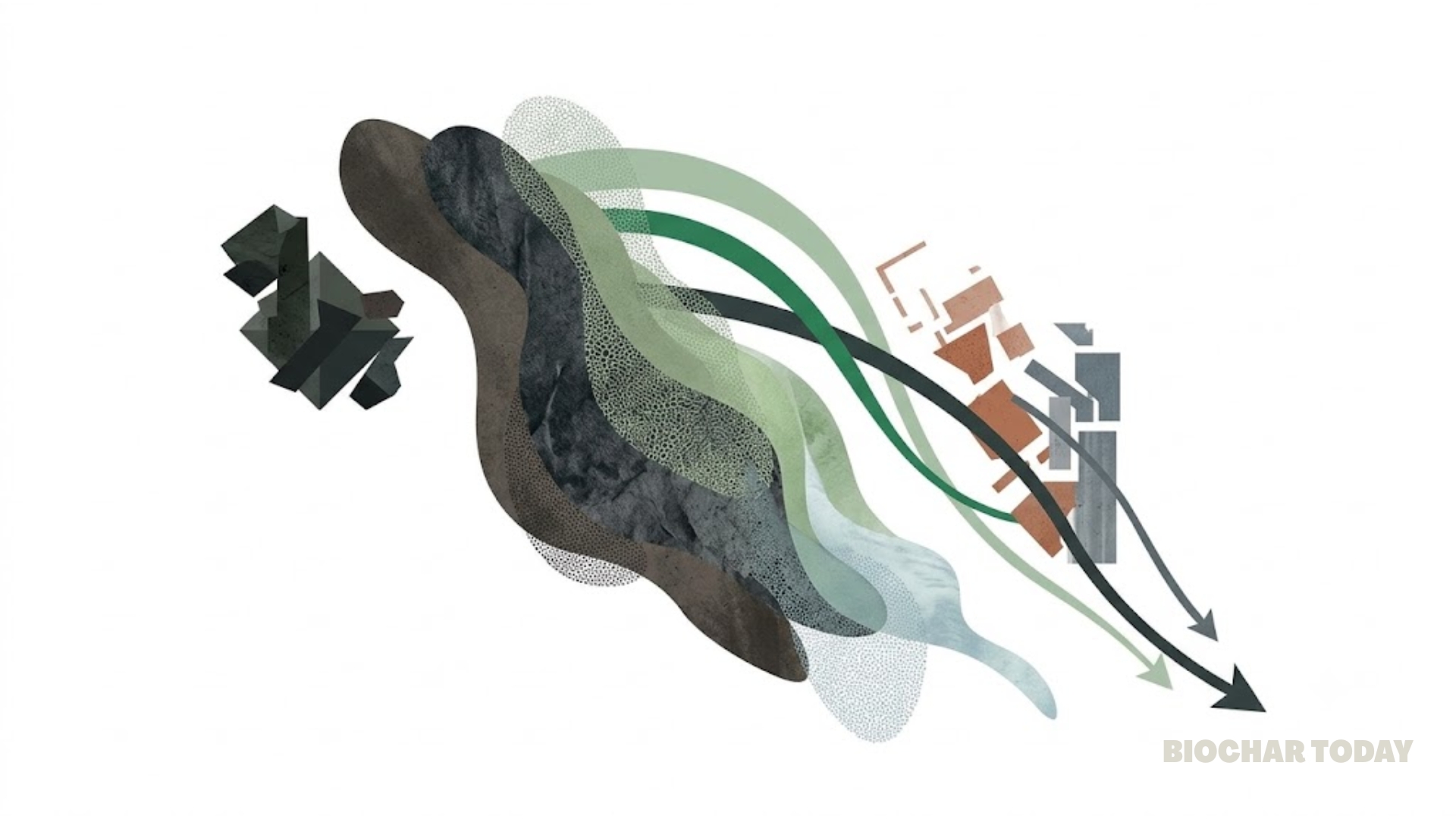
The study proposes several mechanisms explaining biochar’s positive impact, including:
- Pore filling for a denser structure.
- Crack bridging and diversion for improved resistance to damage.
- Initiation of hydration sites for faster and stronger setting.
- Internal curing for enhanced moisture retention and strength development.
This research paves the way for sustainable and high-performance construction materials. Further investigation into biochar types, production methods, and optimal mix design can unlock its full potential in the construction industry.




Leave a Reply