
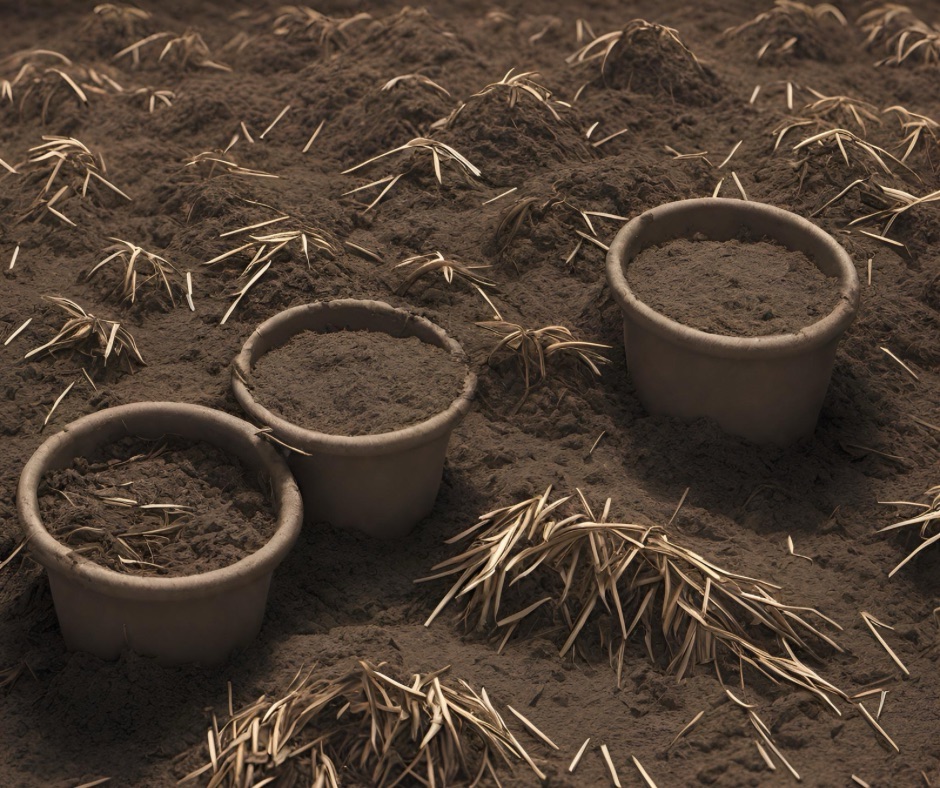

In a groundbreaking 150-day experiment, scientists delved into the potential of rice husk and its biochar form to tackle the challenge of co-contaminated soils. These soils, tainted with polycyclic aromatic hydrocarbons (PAHs) and heavy metals (HMs), received a green touch with alfalfa planted to evaluate the remediation process.
The findings showcased the superior performance of rice husk biochar in removing PAHs and immobilizing HMs compared to conventional rice husk applications. The study revealed an intriguing correlation between the abundance of PAH-degrading organisms and the efficient removal of PAHs over time. Notably, rice husk biochar impacted the bacterial community structure in rhizosphere soils, promoting the growth of Steroidobacter, Bacillus, and Sphingomonas.
However, a nuanced shift in bacterial communities was observed with rice husk amendment, stimulating the growth of Steroidobacter, Dongia, and Acidibacter. The correlation analysis highlighted the crucial roles of Steroidobacter and Mycobacterium in PAH removal and HM absorption.
In conclusion, the combination of rice husk biochar and alfalfa emerges as a promising strategy for remediating co-contaminated soils. This eco-friendly approach not only enhances soil health but also underscores the potential for sustainable environmental restoration.




Leave a Reply