


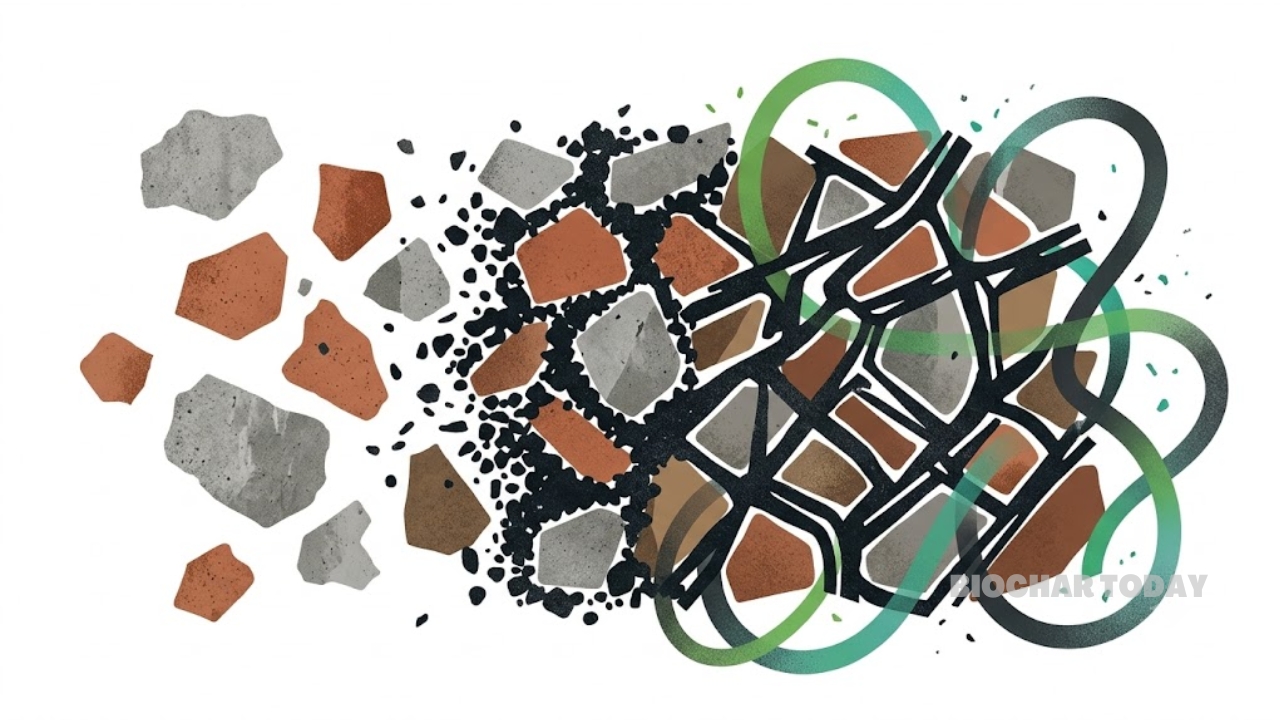
Biochar, a soil amendmentA soil amendment is any material added to the soil to enhance its physical or chemical properties, improving its suitability for plant growth. Biochar is considered a soil amendment as it can improve soil structure, water retention, nutrient availability, and microbial activity. More derived from corn straw, has garnered attention for its potential role in influencing soil erosion. However, its specific impact on karst areas, characterized by complex runoff and soil loss processes, remains poorly understood. In a groundbreaking two-year study, researchers delved into the effects of corn straw biochar on karst slopes’ runoff and soil loss characteristics.
Rainfall experiments on a simulated karst microplot revealed intriguing findings. Biochar application rates of 15, 30, and 60 t ha−1 were tested, alongside a control without biochar (CK). Results indicated a significant increase in surface runoff (SR) and soil loss with biochar compared to the CK. Strikingly, subsurface runoff (SF) and underground leakage runoff (UFR) exhibited a noteworthy decrease after biochar application, suggesting a potential reduction in underground runoff on karst slopes.
Further analysis highlighted the nuanced relationship between biochar application, rainfall events, and runoff characteristics. While biochar initially increased SR, its impact diminished over successive rainfall events, emphasizing the importance of rainfall patterns. Regression analysis underscored the connection between surface soil loss and SR rate.
In summary, this comprehensive study suggests that biochar may offer a dual benefit in karst areas by increasing surface runoff while reducing underground leakage. These findings hold promise for soil management strategies in regions grappling with serious underground runoff issues.





Leave a Reply