
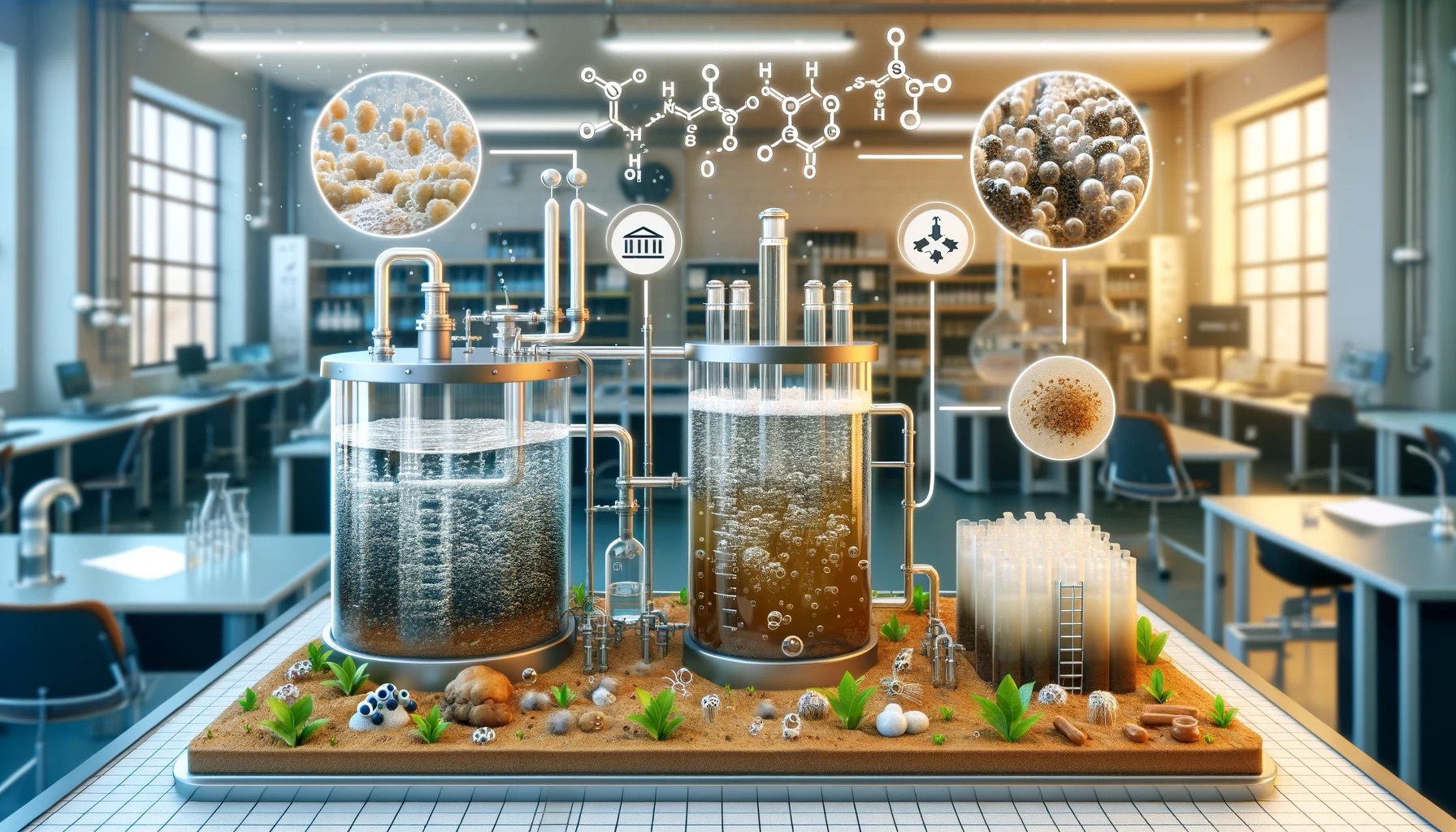

A study published in the International Journal of Hydrogen Energy reveals a novel method to boost hydrogen production from oily sludge using household waste digestate. This innovative approach addresses the significant environmental challenge posed by oily sludge, a hazardous byproduct of the petroleum industry rich in mono-ethylene glycol (MEG).
The researchers, led by Fahad M. Al-Fadhli and colleagues, discovered that co-digesting oily sludge with household waste digestate in a 60:40 ratio dramatically enhances hydrogen yield. This method resulted in a 23.1-fold increase in hydrogen production compared to using oily sludge alone. Additionally, the process achieved an impressive 86.2% biodegradation efficiency for MEG, significantly mitigating its inhibitory effects on hydrogen production.
The study highlights the crucial role of the microbial community in this process. Strains like Acinetobacter, Clostridium, and Bacillus were instrumental in breaking down MEG into ethanol, acetaldehyde, and acetate, facilitated by enzymes such as aldehyde dehydrogenase and alcohol dehydrogenase. This microbial activity not only enhanced hydrogen production but also contributed to the degradation of harmful compounds.
Furthermore, the research underscores the benefits of using household waste digestate, which provides a balanced carbon-to-nitrogen (C/N) and nitrogen-to-phosphorus (N/P) ratio. This balance optimizes the conditions for microbial activity, reducing the inhibition effects of high ammonia and MEG concentrations in the feedstockFeedstock refers to the raw organic material used to produce biochar. This can include a wide range of materials, such as wood chips, agricultural residues, and animal manure. More.
This study not only offers a sustainable solution for hydrogen production but also promotes the principles of the circular economy by utilizing waste materials. By integrating household waste digestate, the method paves the way for efficient oily sludge treatment, enhanced hydrogen productivity, and biocharBiochar is a carbon-rich material created from biomass decomposition in low-oxygen conditions. It has important applications in environmental remediation, soil improvement, agriculture, carbon sequestration, energy storage, and sustainable materials, promoting efficiency and reducing waste in various contexts while addressing climate change challenges. More recovery, contributing to cleaner energy and environmental sustainability.




Leave a Reply