
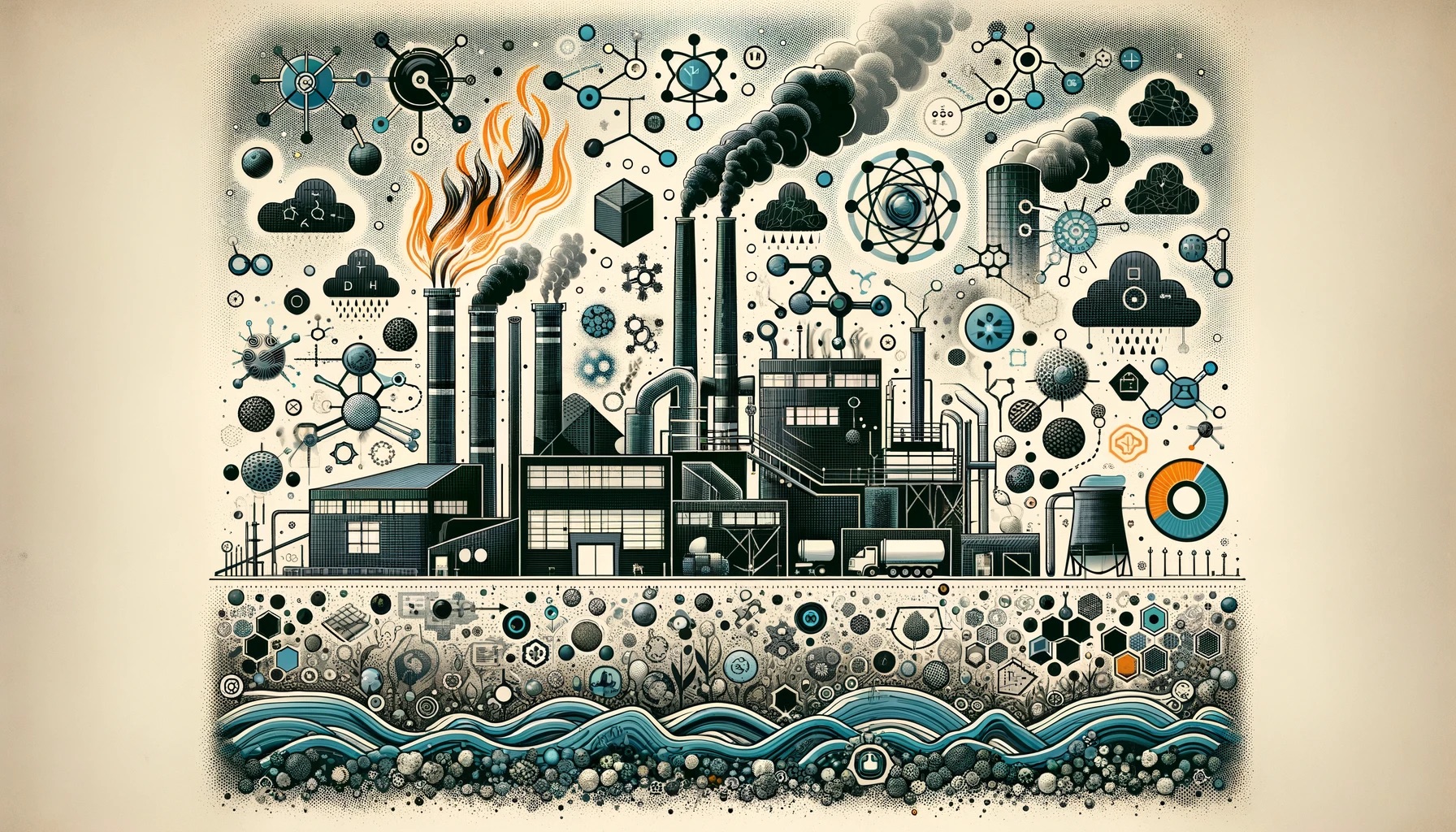
Sygula, et al (2024) The significance of structural components of lignocellulosic biomassBiomass is a complex biological organic or non-organic solid product derived from living or recently living organism and available naturally. Various types of wastes such as animal manure, waste paper, sludge and many industrial wastes are also treated as biomass because like natural biomass these More on volatile organic compounds presence on biocharBiochar is a carbon-rich material created from biomass decomposition in low-oxygen conditions. It has important applications in environmental remediation, soil improvement, agriculture, carbon sequestration, energy storage, and sustainable materials, promoting efficiency and reducing waste in various contexts while addressing climate change challenges. More – a review. Wood Science and Technology. https://doi.org/10.1007/s00226-024-01557-y
Biochar, produced through the thermochemical processing of lignocellulosic biomass, has diverse applications in agriculture, construction, and environmental protection. However, the process of creating biochar, specifically through pyrolysisPyrolysis is a thermochemical process that converts waste biomass into bio-char, bio-oil, and pyro-gas. It offers significant advantages in waste valorization, turning low-value materials into economically valuable resources. Its versatility allows for tailored products based on operational conditions, presenting itself as a cost-effective and efficient More and torrefaction, releases volatile organic compounds (VOCs), some of which are harmful to the environment and human health.
Research indicates that during the conversion of biomass, VOCs can redeposit on the surface of biochar, posing potential hazards. Despite the extensive study of biochar’s benefits, there has been a lack of comprehensive analysis on the influence of biomass properties and processing conditions on VOC formation and redeposition.
A recent analysis identified ten VOCs from cellulose, hemicellulose, and lignin pyrolysis as harmful due to properties like carcinogenicity, toxicity, and mutagenicity. Among 140 identified compounds on biochar samples, 33 had harmful properties, indicating a significant risk of environmental contamination from compounds such as ketones, aldehydes, and polyaromatic hydrocarbons.
Biochar’s potential for energy production, soil remediation, and carbon sequestration is well-documented. However, the negative aspects, including the presence of harmful substances like PAHs, VOCs, and dioxins, need to be addressed. The release of these pollutants depends on process parameters and feedstockFeedstock refers to the raw organic material used to produce biochar. This can include a wide range of materials, such as wood chips, agricultural residues, and animal manure. More properties, necessitating systematic research to understand and mitigate these risks.
Ensuring the safe production and use of biochar requires recognizing and managing these hazards. As biochar continues to be a valuable resource, understanding the mechanisms of VOC formation and their environmental impact is crucial for sustainable biochar development. This calls for detailed studies on the interplay between feedstock properties, processing conditions, and VOC emissions to minimize potential environmental threats.


Leave a Reply