
Khater, Bahnasawy, et al (2024) BiocharBiochar is a carbon-rich material created from biomass decomposition in low-oxygen conditions. It has important applications in environmental remediation, soil improvement, agriculture, carbon sequestration, energy storage, and sustainable materials, promoting efficiency and reducing waste in various contexts while addressing climate change challenges. More production under different pyrolysisPyrolysis is a thermochemical process that converts waste biomass into bio-char, bio-oil, and pyro-gas. It offers significant advantages in waste valorization, turning low-value materials into economically valuable resources. Its versatility allows for tailored products based on operational conditions, presenting itself as a cost-effective and efficient More temperatures with different types of agricultural wastes. Scientific Reports. https://doi.org/10.1038/s41598-024-52336-5
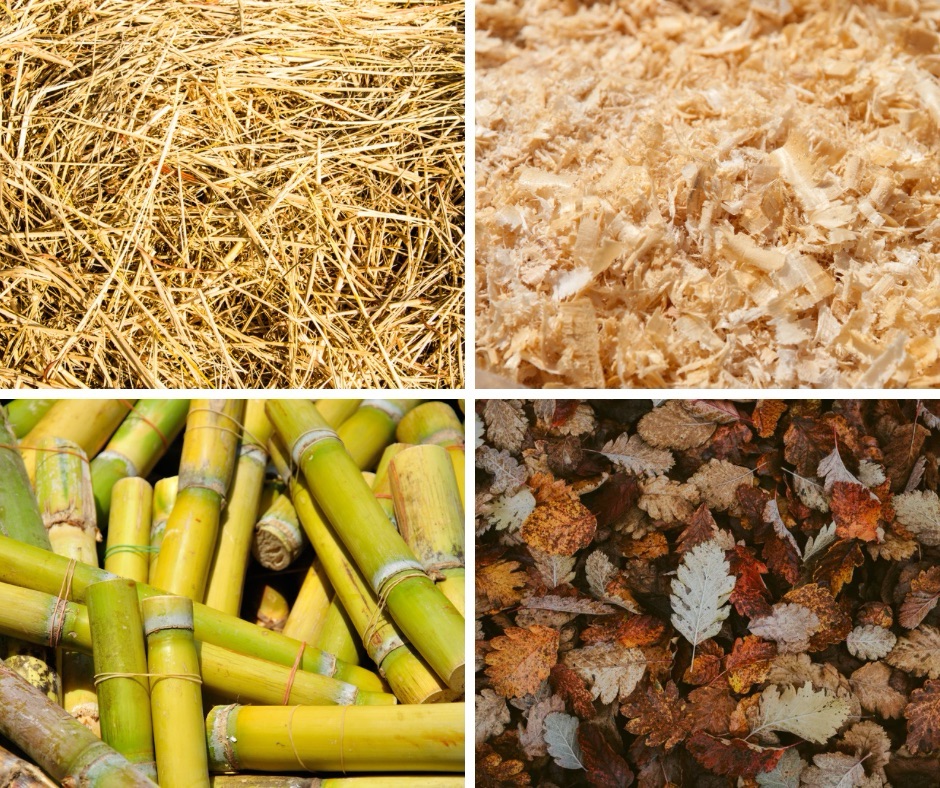
In a comprehensive study, researchers aimed to discern the physical and chemical attributes of biochar derived from diverse materials (straw rice, sawdust, sugar cane, and tree leaves) at varying pyrolysis temperatures (400, 600, and 800 C). Parameters including moisture content, water holding capacityWater holding capacity is the amount of water that soil can retain. Biochar can significantly increase the water holding capacity of soil, improving its ability to withstand drought conditions and support plant growth. More, bulk density, porosityPorosity of biochar is a key factor in its effectiveness as a soil amendment and its ability to retain water and nutrients. Biochar’s porosity is influenced by feedstock type and pyrolysis temperature, and it plays a crucial role in microbial activity and overall soil health. Biochar More, pHpH is a measure of how acidic or alkaline a substance is. A pH of 7 is neutral, while lower pH values indicate acidity and higher values indicate alkalinity. Biochars are normally alkaline and can influence soil pH, often increasing it, which can be beneficial More, electrical conductivity (EC), organic matter, organic carbon, total nitrogen, potassium, phosphorus, calcium, magnesium, sodium, and sulfur were meticulously evaluated.
The findings unveiled a nuanced relationship between pyrolysis temperature, biochar type, and the analyzed properties. Biochar yield exhibited a decline with increasing pyrolysis temperature. Moisture content ranged from 1.11 to 4.18%, and water holding capacity spanned 12.9 to 27.6 g water g−1 dry sample. Sawdust, pyrolyzed at 800 C, yielded the highest bulk density at 211.9 kg m−3. Porosity values ranged from 45.9 to 63.7%, showcasing the varied structural aspects of the biochar.
Distinctive trends were observed in pH and EC, with tree leaves biochar at 800 C presenting the highest values of 10.4 and 3.46 dS m−1, respectively. Organic matter, organic carbon, and total nitrogen displayed diverse ranges, emphasizing the impact of feedstockFeedstock refers to the raw organic material used to produce biochar. This can include a wide range of materials, such as wood chips, agricultural residues, and animal manure. More and pyrolysis temperature. Sugar cane biochar at 800 C exhibited peak values for phosphorus (134.6 mg kg−1) and calcium (649.0 mg kg−1). The study delved into magnesium, sodium, and sulfur content, elucidating their variability across different feedstocks and temperatures.
This research offers valuable insights into tailoring biochar production for specific agricultural and environmental applications, emphasizing the intricate interplay of material selection and pyrolysis conditionsThe conditions under which pyrolysis takes place, such as temperature, heating rate, and residence time, can significantly affect the properties of the biochar produced. More.




Leave a Reply