
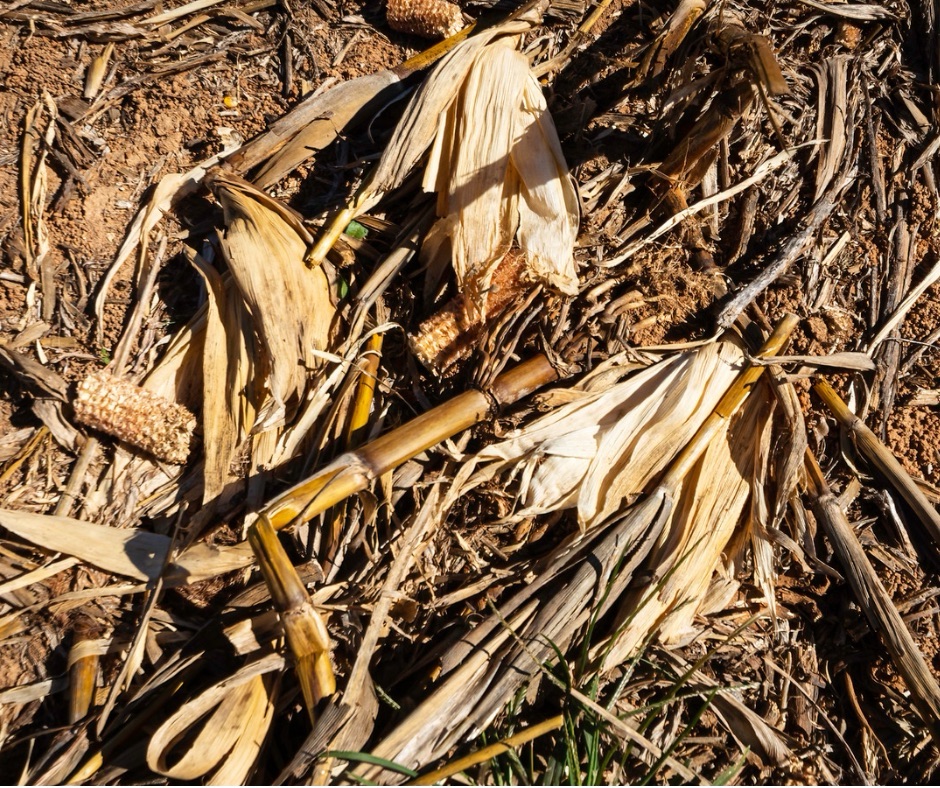
Wang, Shan, et al (2024) Detoxification of corn stover prehydrolysate by different biochars and its effect on lactic acid fermentation. RCS Advances. https://doi.org/10.1039/D3RA08055B
Lignocellulosic biomassBiomass is a complex biological organic or non-organic solid product derived from living or recently living organism and available naturally. Various types of wastes such as animal manure, waste paper, sludge and many industrial wastes are also treated as biomass because like natural biomass these More like corn stover holds great potential for renewable fuels and chemicals, but processing it generates nasty byproducts that harm microbes needed for fermentation. This study explored using biocharBiochar is a carbon-rich material created from biomass decomposition in low-oxygen conditions. It has important applications in environmental remediation, soil improvement, agriculture, carbon sequestration, energy storage, and sustainable materials, promoting efficiency and reducing waste in various contexts while addressing climate change challenges. More made from agricultural waste to detoxify corn stover before turning it into lactic acid, a valuable chemical used in plastics and food.
The researchers made biochar from corn stover, cow manure, and a mix of both. All three biochars had a sponge-like structure perfect for trapping unwanted molecules. Soaking the corn stover “soup” in these biochars removed harmful substances, paving the way for happy microbes.
Without detoxification, the fermentation process yielded a measly amount of lactic acid. But with biochar treatment, especially using cow manure biochar, the lactic acid production skyrocketed, reaching almost four times the original amount! This impressive boost shows that biochar can be a game-changer for utilizing agricultural waste and creating valuable products like lactic acid.



Leave a Reply