

Singh, et al (2024) Transforming rice straw waste into biocharBiochar is a carbon-rich material created from biomass decomposition in low-oxygen conditions. It has important applications in environmental remediation, soil improvement, agriculture, carbon sequestration, energy storage, and sustainable materials, promoting efficiency and reducing waste in various contexts while addressing climate change challenges. More for advanced water treatment and soil amendmentA soil amendment is any material added to the soil to enhance its physical or chemical properties, improving its suitability for plant growth. Biochar is considered a soil amendment as it can improve soil structure, water retention, nutrient availability, and microbial activity. More applications. Environmental Technology & Innovation. https://doi.org/10.1016/j.eti.2024.103932
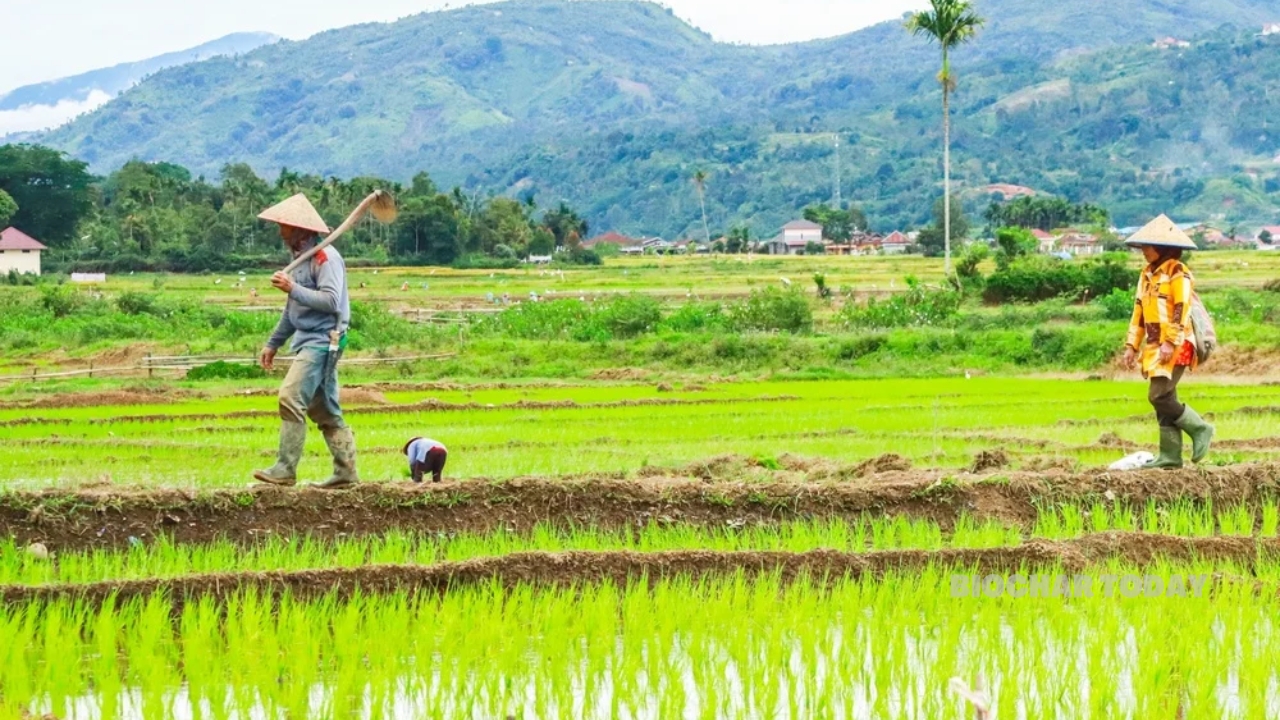
The global rice industry generates an immense 700 million tonnes of rice straw annually, much of which is burned, leading to significant air pollution and greenhouse gas emissions. A more sustainable solution lies in converting this agricultural waste into biochar—a carbon-rich material produced through pyrolysisPyrolysis is a thermochemical process that converts waste biomass into bio-char, bio-oil, and pyro-gas. It offers significant advantages in waste valorization, turning low-value materials into economically valuable resources. Its versatility allows for tailored products based on operational conditions, presenting itself as a cost-effective and efficient More.
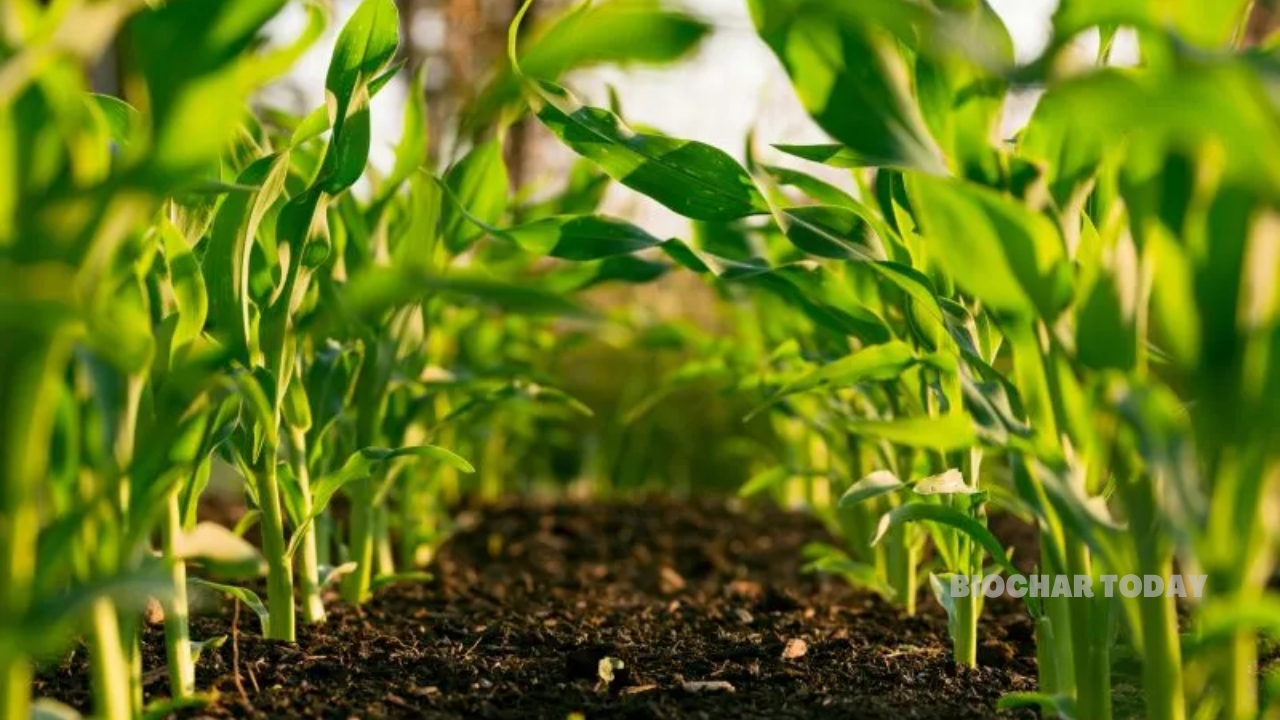
Rice straw biochar (RSBC) holds promise for environmental and agricultural applications. As a soil amendment, RSBC enhances soil health by improving structure, increasing water retention, and providing essential nutrients like silicon, which bolsters plant resilience against pests and drought. In water treatment, RSBC serves as a low-cost, eco-friendly adsorbent for pollutants such as heavy metals and organic contaminants. Recent advancements include modifying biochar with additives like chitosan or metal oxides to improve its efficiency.
However, challenges persist. Producing biochar at scale requires optimization to maintain cost-effectiveness and environmental safety. Additionally, concerns about potential toxic byproducts and the long-term stability of biochar in varied conditions need further study.
Looking ahead, RSBC’s integration into waste management and renewable energy systems could further reduce methane emissions and contribute to global carbon reduction goals. With ongoing innovation and interdisciplinary collaboration, RSBC can become a cornerstone of sustainable practices, aligning with global objectives for clean water, sustainable agriculture, and climate action.
By transforming rice straw into biochar, we can shift from wasteful practices to a circular economy approach, leveraging agricultural byproducts for environmental and economic gain.


Leave a Reply