
Zhao, Li, et al (2024) Unlocking the potential of Chinese herbal medicine residue-derived biocharBiochar is a carbon-rich material created from biomass decomposition in low-oxygen conditions. It has important applications in environmental remediation, soil improvement, agriculture, carbon sequestration, energy storage, and sustainable materials, promoting efficiency and reducing waste in various contexts while addressing climate change challenges. More as an efficient adsorbent for high-performance tetracycline removal. Environmental Research. https://doi.org/10.1016/j.envres.2024.118425
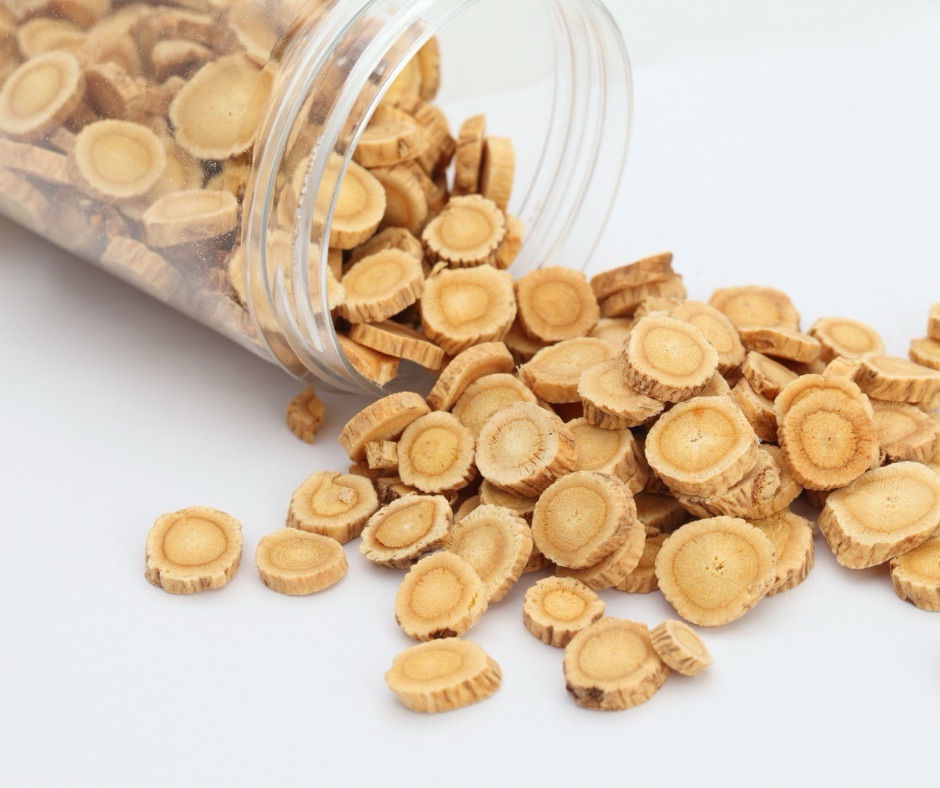
In a groundbreaking study, researchers harnessed the power of hydrothermal carbonization (HTC) along with ZnCl2 activation and pyrolysisPyrolysis is a thermochemical process that converts waste biomass into bio-char, bio-oil, and pyro-gas. It offers significant advantages in waste valorization, turning low-value materials into economically valuable resources. Its versatility allows for tailored products based on operational conditions, presenting itself as a cost-effective and efficient More to convert leftover astragali radix (AR), a traditional Chinese medicine residue, into a powerful biochar. This biochar, named HAR@ZnCl2, proved to be a sustainable and effective adsorbent for removing the antibiotic tetracycline (TC) from water.
Through a meticulous evaluation process involving adsorption isotherms, kinetics, and thermodynamics, the AR biochar showcased exceptional properties in TC removal. The biochar’s success was attributed to mechanisms such as pore diffusion, π-π interaction, electrostatic attraction, and hydrogen bonding. Impressively, HAR@ZnCl2 demonstrated a maximum adsorption capacity of 930.3 mg g−1 under specific conditions.
Not only did the biochar exhibit outstanding TC removal efficiency, but it also proved economically viable, with a payback of $701 per ton. Remarkably, even after ten cycles, HAR@ZnCl2 maintained a TC removal efficiency above 77%, highlighting its potential for long-term application in wastewater treatment.
This study underscores the transformative potential of AR biochar, derived from Chinese medicine waste, as a sustainable solution for purifying water contaminated with antibiotics.





Leave a Reply