


Brewing liquor, a staple in many cultures, generates significant wastewater posing environmental challenges. This wastewater, however, holds potential for energy production through a process called anaerobic digestion, where microbes convert organic matter into methane gas. Researchers have now explored pine-cone biochar (PBC) as an additive to enhance this process in liquor wastewater.
Adding PBC at a specific dose significantly increased methane production, with a peak of 71%. This boost can be attributed to several factors:
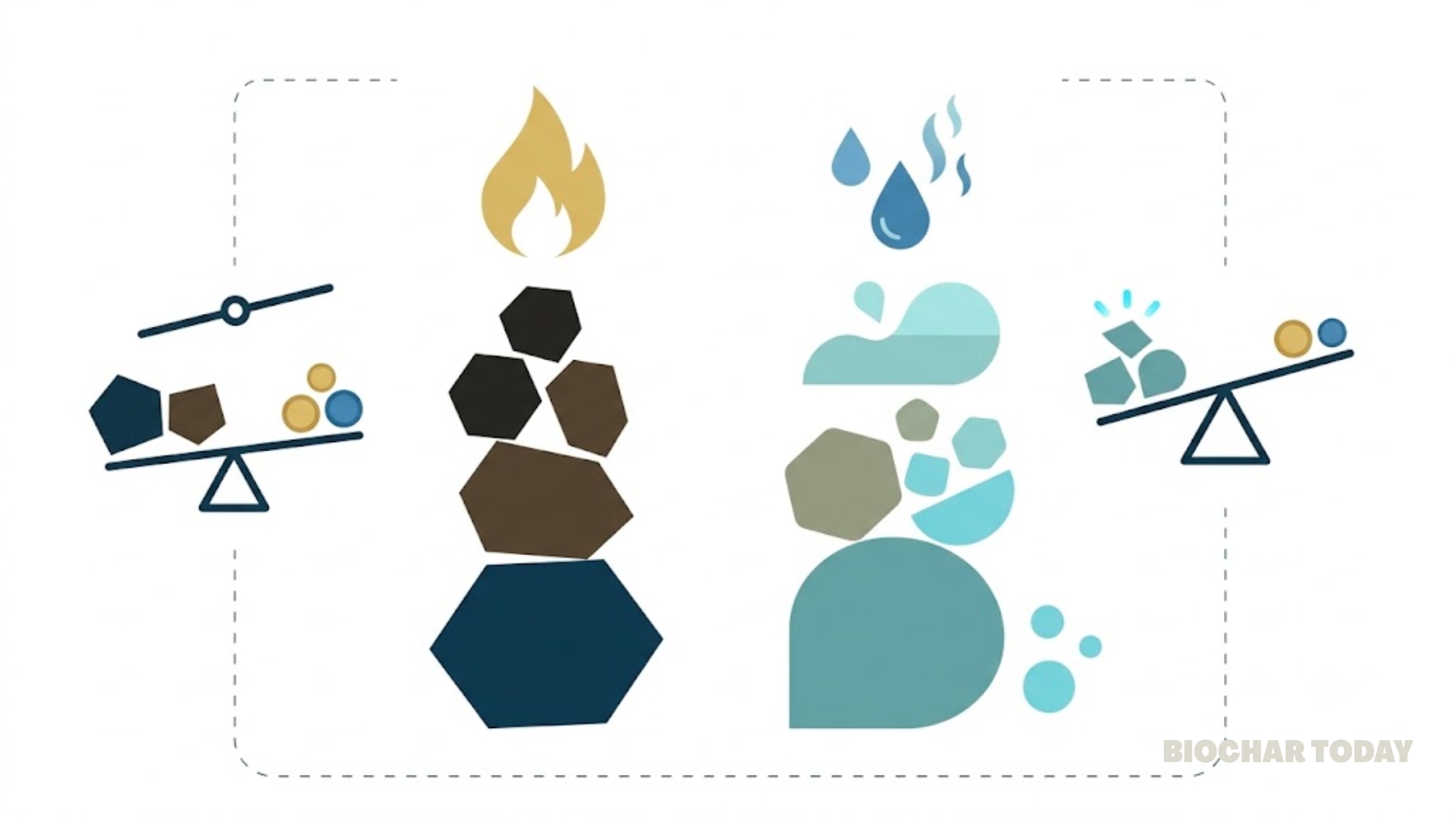
- Enhanced hydrolysis: PBC facilitates the breakdown of complex organic molecules into simpler forms, making them readily available for microbes to convert into methane.
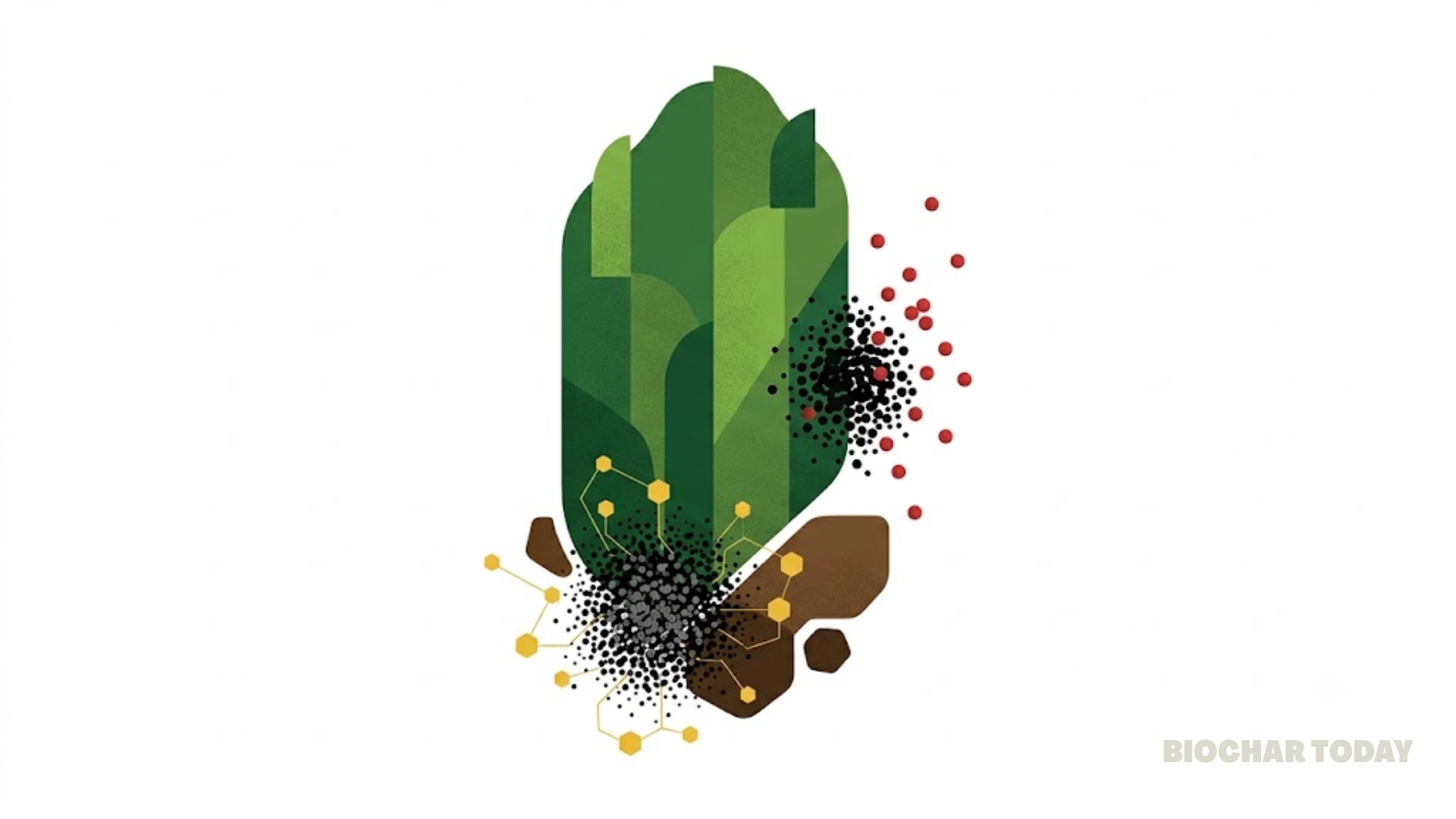
- Microbial community shift: PBC encourages the growth of specific microbes, including Geobacter and Methanosarcina, crucial for efficient electron transfer and methanogenesis.
- Improved conductivity and buffering:PBC acts as a buffer, stabilizing the digestion process and promoting electron transport between microbes.
These findings highlight the potential of PBC as a cost-effective and eco-friendly approach to improve the efficiency of anaerobic digestion in liquor wastewater treatment. This not only offers a sustainable solution for managing waste but also contributes to renewable energy production, reducing reliance on fossil fuels.
Further research could explore optimizing PBC application and its long-term effects on microbial communities and system stability.



Leave a Reply