


Iron ore tailings (IOT), a byproduct of iron ore beneficiation, represent a significant environmental challenge due to their vast quantities and potential for heavy metal leachingLeaching is the process where nutrients are dissolved and carried away from the soil by water. This can lead to nutrient depletion and environmental pollution. Biochar can help reduce leaching by improving nutrient retention in the soil. More. A novel approach to this issue involves converting IOT into valuable soil conditioners by integrating them with biocharBiochar is a carbon-rich material created from biomass decomposition in low-oxygen conditions. It has important applications in environmental remediation, soil improvement, agriculture, carbon sequestration, energy storage, and sustainable materials, promoting efficiency and reducing waste in various contexts while addressing climate change challenges. More, as demonstrated in a recent study focused on creating IOT-biochar composites (FeOT-BC). This innovative material serves not only to mitigate the environmental threat posed by IOT but also to enhance soil quality significantly.
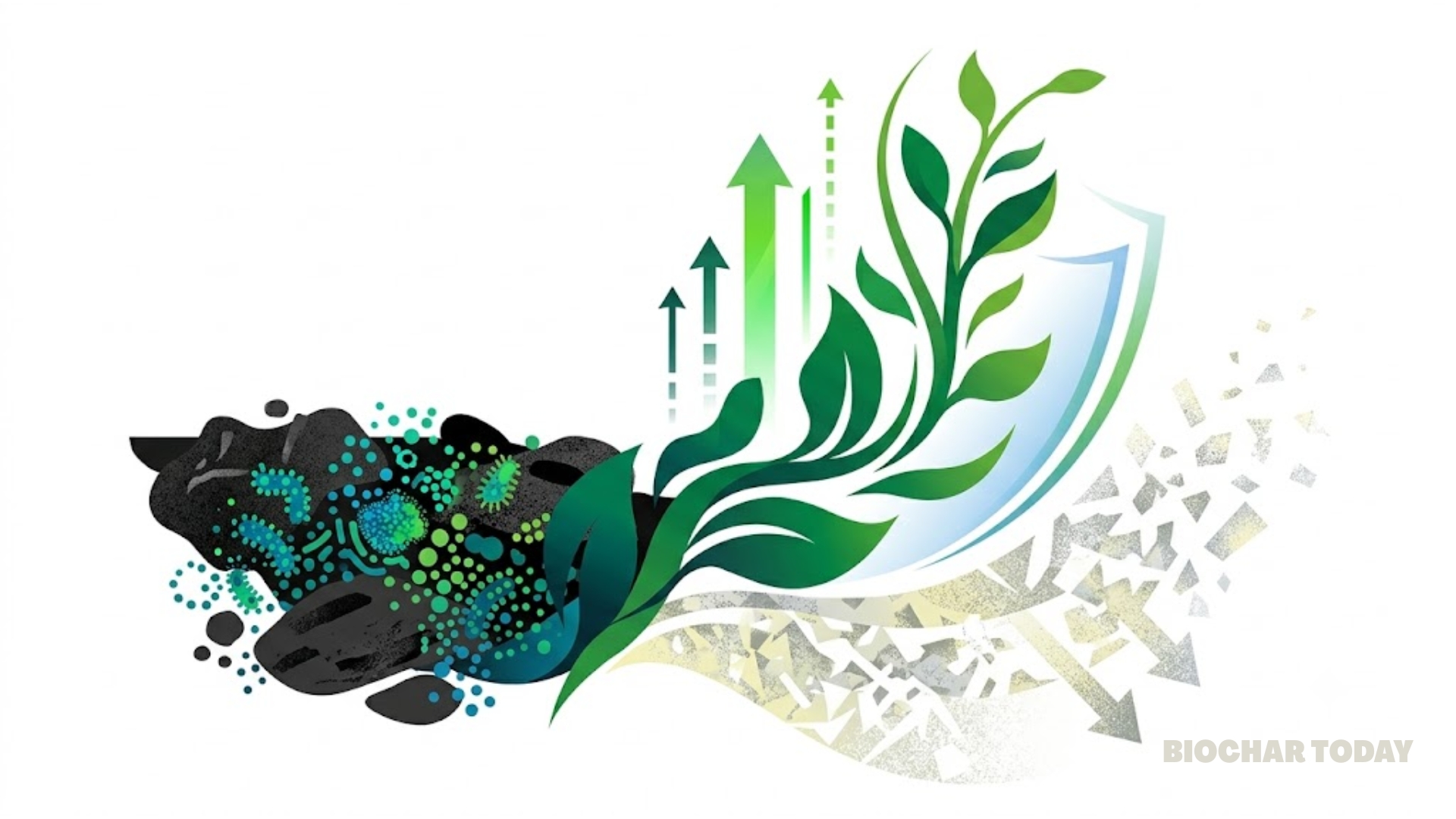
The study’s pivotal finding is that the FeOT-BC composite improves soil properties more effectively than IOT alone. It enhances soil pHpH is a measure of how acidic or alkaline a substance is. A pH of 7 is neutral, while lower pH values indicate acidity and higher values indicate alkalinity. Biochars are normally alkaline and can influence soil pH, often increasing it, which can be beneficial More, organic matter content, and availability of nutrients, thanks to the biochar’s buffering effects. Such improvements stem from biochar’s capacity to increase the dispersity and reactivity of IOT in the soil, optimizing its performance by moderating soil acidification, enriching nutrient release, and stimulating microbial activity.
In agricultural trials, the application of FeOT-BC markedly fostered rice plant growth, surpassing the outcomes with pure IOT. This was attributed to the enriched soil fertility and heightened microbial activities encouraged by the biochar component. Hence, the integration of IOT with biochar not only diminishes the adverse effects of the tailings but transforms them into a value-added product that combines the beneficial properties of both constituents for optimized soil conditioning.
This research underscores a promising strategy for the comprehensive utilization of IOT, highlighting its potential beyond mere waste to a resource for sustainable agricultural practices. By showcasing how non-reactive IOT can bolster concrete strength through microstructural improvements and serve as a multifunctional soil conditioner, the study opens new avenues for the utilization of industrial wastes, aligning with the broader goal of environmental sustainability and resource conservation.




Leave a Reply