
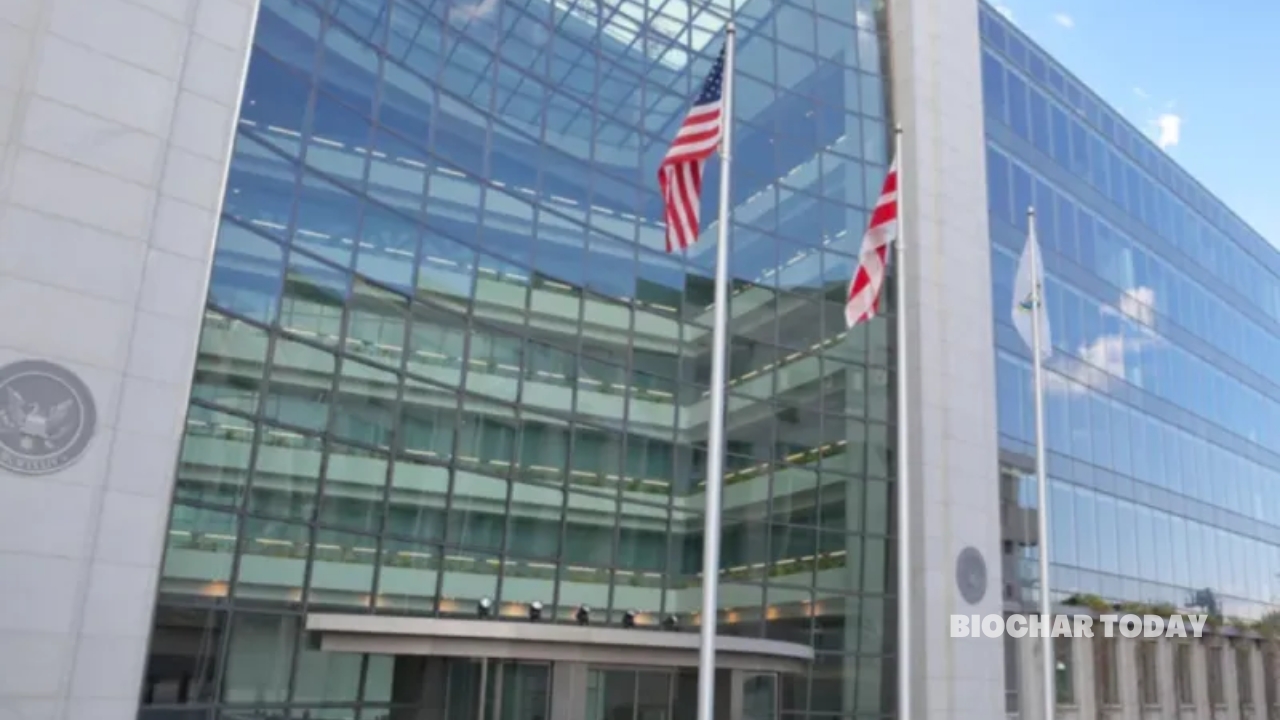
The U.S. Securities and Exchange Commission (SEC) has officially initiated the process to withdraw the corporate climate disclosure framework originally adopted in 2024. This administrative shift represents a significant reversal in federal policy regarding environmental reporting for public companies in the United States. The initial regulations aimed to provide institutional investors with standardized, consistent information concerning how climate-related material risks and severe weather events affect corporate finances. Following immediate legal challenges and a transition in agency leadership, the regulator has formally moved to eliminate these requirements entirely.
The major challenge addressed by the original 2024 policy framework was the lack of comparable and standardized climate risk data across different corporate sectors. Institutional investors increasingly require transparent data to evaluate environmental liabilities, financial exposure to severe weather, and corporate governance regarding climate risks. However, the implementation of these disclosure mandates faced severe friction, including immediate litigation from business groups and several state governments. Critics argued that the rules imposed excessive administrative costs, presented operational complexity, and exceeded the statutory authority traditionally granted to the financial regulator.
To resolve the administrative and legal gridlock, the current leadership of the agency has proposed a complete regulatory repeal of the environmental disclosure framework. The agency previously ceased its legal defense of the rules in ongoing court proceedings earlier this year, and this new proposal serves as the formal mechanism to dismantle the reporting mandates. Moving forward, the agency intends to focus its oversight strictly on disclosures directly tied to traditional financial materiality and investor protection. This strategy effectively shifts the burden of establishing climate-related financial standards away from the federal regulatory level.
The outcome of this regulatory rollback is a highly fragmented reporting environment for multinational corporations operating within the United States. While the federal mandate is being dismantled, public companies face a two-month public comment window before the repeal is officially finalized. Concurrently, independent jurisdictions, such as the European Union and the State of California, are advancing their own strict climate disclosure standards. Consequently, despite the federal retreat by the regulatory agency, public companies will likely remain subject to a complex patchwork of regional and international environmental reporting obligations.




Leave a Reply