
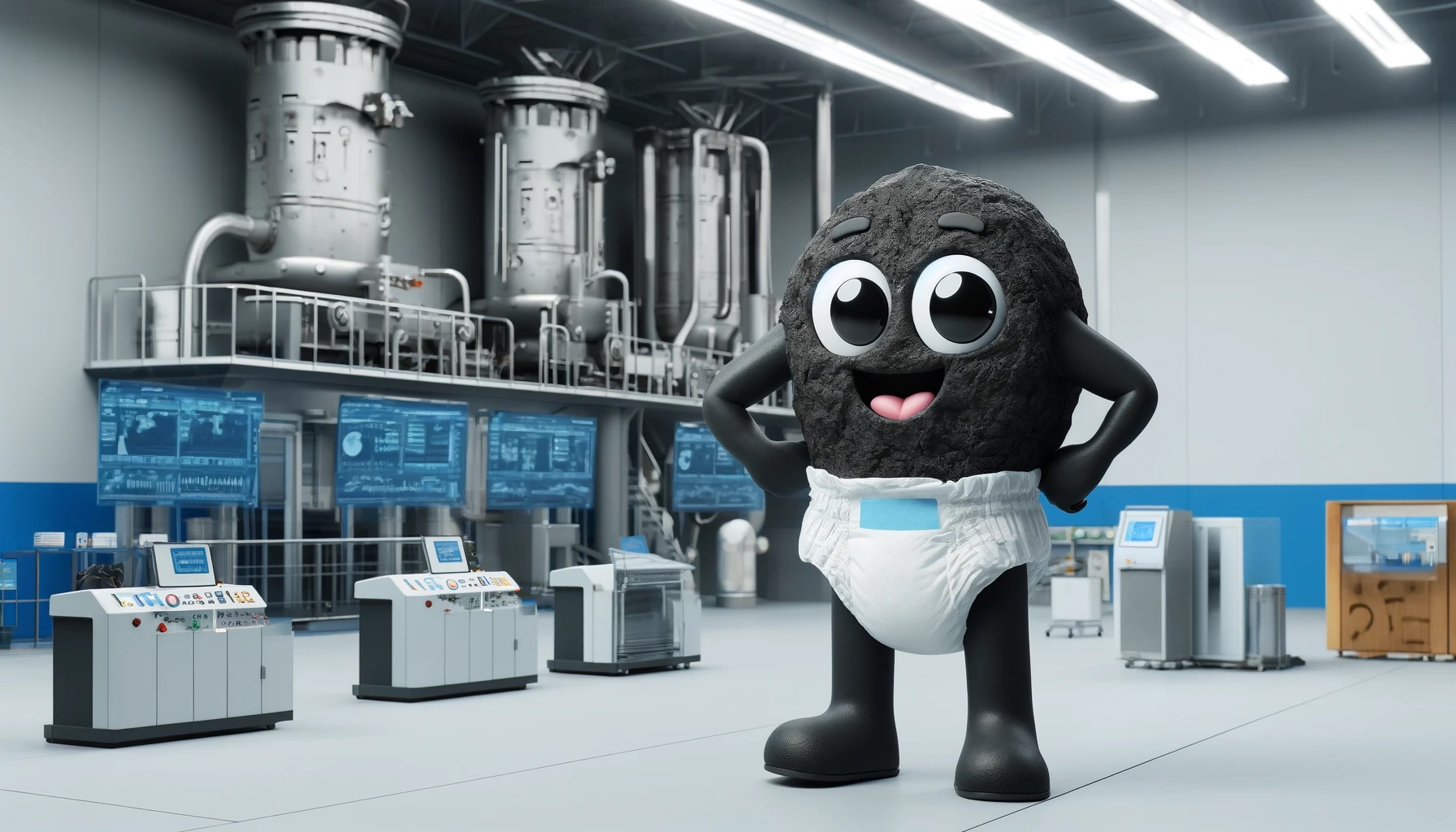
Shah, et al (2024) A systematic review on employing thermochemical techniques for the production of exceptionally efficient biocharBiochar is a carbon-rich material created from biomass decomposition in low-oxygen conditions. It has important applications in environmental remediation, soil improvement, agriculture, carbon sequestration, energy storage, and sustainable materials, promoting efficiency and reducing waste in various contexts while addressing climate change challenges. More from discarded disposable diapers (D3). Journal of Analytical and Applied PyrolysisPyrolysis is a thermochemical process that converts waste biomass into bio-char, bio-oil, and pyro-gas. It offers significant advantages in waste valorization, turning low-value materials into economically valuable resources. Its versatility allows for tailored products based on operational conditions, presenting itself as a cost-effective and efficient More. https://doi.org/10.1016/j.jaap.2024.106527
The staggering rise in disposable diaper usage, reaching about 20 billion annually, poses a significant environmental challenge. With each diaper taking up to 500 years to decompose, these discarded diapers (D3) contribute over 3.5 million tonnes of waste to landfills each year. This not only clutters landfills but also poses severe environmental and public health risks.
Recent research, detailed in the Journal of Analytical and Applied Pyrolysis, explores the potential of thermochemical techniques, specifically pyrolysis, to convert D3 into highly efficient biochar. Pyrolysis, a process that thermally decomposes organic material in the absence of oxygen, can transform the complex components of disposable diapers into valuable end products. These include biochar, which is rich in carbon and has multiple uses such as a soil enhancer, carbon adsorbent, and catalyst, along with liquid oil and gas which can serve as fuel.
The study highlights that reaction conditions like temperature, pressure, and time are critical in determining the yield and quality of the biochar produced. Chemical activation using substances like KOH and ZnCl2 further enhances the efficiency of lead removal from the biochar, pushing its potential utility in environmental cleanup efforts.
This systematic review underscores the importance of optimizing pyrolysis conditionsThe conditions under which pyrolysis takes place, such as temperature, heating rate, and residence time, can significantly affect the properties of the biochar produced. More to maximize the efficiency and effectiveness of biochar production from D3. By transforming diaper waste into valuable biochar, not only can the environmental footprint of disposable diapers be significantly reduced, but this process also opens new avenues for sustainable waste management and resource recovery. As research progresses, this innovative approach could play a crucial role in addressing one of the pressing waste management challenges of our time.





Leave a Reply