
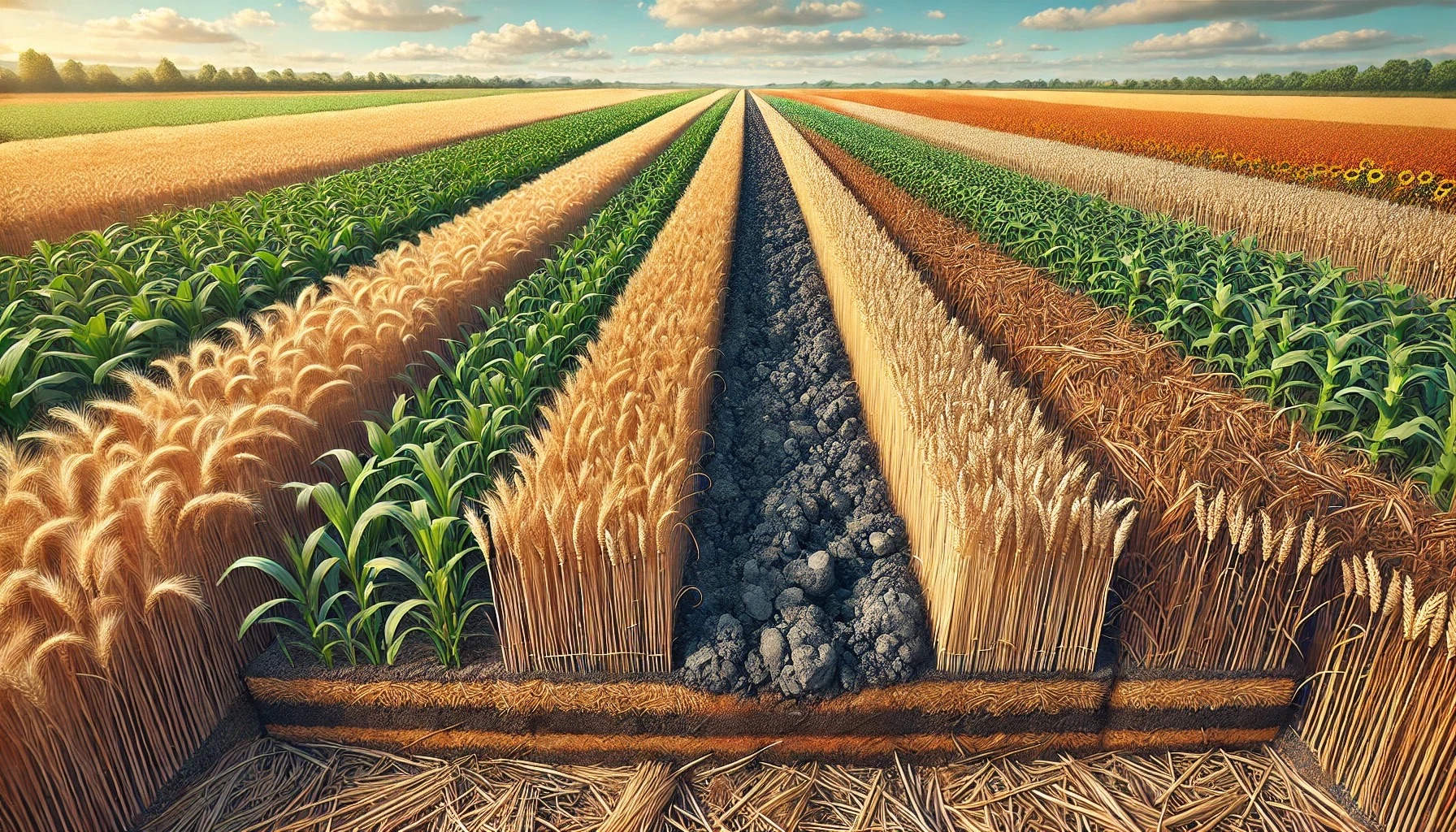

A recent study explored the effects of straw-biochar amendments on soil carbon dynamics and microbial activity within a wheat-maize cropping system over five years in Northwest China. The research aimed to understand how these amendments influence the formation and stabilization of soil organic carbon (SOC), a critical factor in combating climate change.
The study compared three treatments: no straw incorporation, straw incorporation alone, and straw combined with biocharBiochar is a carbon-rich material created from biomass decomposition in low-oxygen conditions. It has important applications in environmental remediation, soil improvement, agriculture, carbon sequestration, energy storage, and sustainable materials, promoting efficiency and reducing waste in various contexts while addressing climate change challenges. More. Results indicated that straw incorporation significantly increased SOC content and microbial activity. However, this also led to higher rates of SOC mineralization, potentially offsetting some of the carbon sequestration benefits. In contrast, the combination of straw and biochar not only enhanced SOC but also reduced mineralization rates, leading to more stable carbon storage.
Biochar’s impact was particularly notable in its ability to decrease dissolved organic carbon, suppressing excessive microbial activity and thereby limiting the loss of SOC through mineralization. Additionally, biochar increased the proportion of microbial-derived carbon in SOC, which is considered more stable and thus more effective for long-term carbon sequestration.
This study suggests that integrating biochar with straw amendments could be a more sustainable approach for enhancing SOC sequestration in agricultural systems. By modulating microbial activity and improving carbon stability, such practices hold promise for mitigating global climate change while supporting soil health and crop productivity.




Leave a Reply