
Huang, et al (2024) Effects of biocharBiochar is a carbon-rich material created from biomass decomposition in low-oxygen conditions. It has important applications in environmental remediation, soil improvement, agriculture, carbon sequestration, energy storage, and sustainable materials, promoting efficiency and reducing waste in various contexts while addressing climate change challenges. More on soil carbon pool stability in the Dahurian larch (Larix gmelinii) forest are regulated by the dominant soil microbial ecological strategy. Science of The Total Environment. https://doi.org/10.1016/j.scitotenv.2024.175725
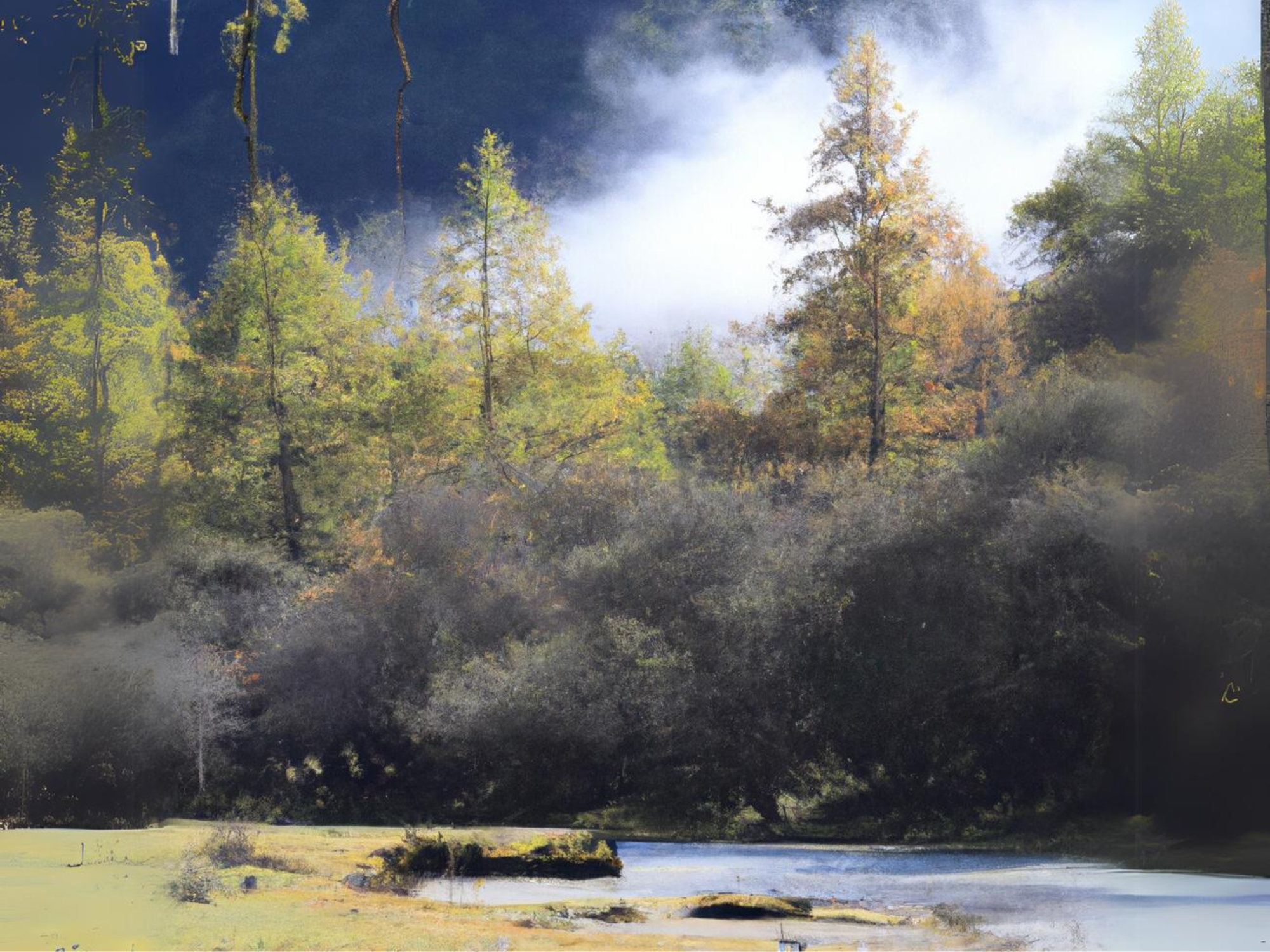
A recent study published in Science of The Total Environment explores how biochar affects soil organic carbon (SOC) stability in Dahurian larch forests, focusing on the role of soil microbial communities. The research highlights how biochar alters the ecological strategies of these microbial communities, impacting carbon stability in both unburned and post-fire forest soils.
Key findings reveal that biochar increases overall SOC levels, but its influence on carbon pool stability varies depending on the soil’s fire history. In unburned forests, biochar addition led to a microbial community dominated by K-strategists—organisms that thrive in stable environments. This shift resulted in a decline in the stability of the carbon pool, as indicated by a lower ratio of mineral-associated organic carbon (MAOC) to total SOC.
In contrast, in soils subjected to high-severity fires, biochar encouraged the dominance of r-strategist microbes—species that excel in rapidly changing environments. This change helped restore the balance of the microbial community and improved the stability of the SOC pool. The study concludes that biochar can aid in restoring soil ecological functions in fire-affected forests by supporting microbial communities better suited for recovery.
Overall, the research provides valuable insights into the complex interactions between biochar, microbial ecology, and carbon sequestration, particularly in postfire forest management.


Leave a Reply