
Abbas, M.T., Anjum, T., Anwar, W. et al.Characterization and Induction of BiocharBiochar is a carbon-rich material created from biomass decomposition in low-oxygen conditions. It has important applications in environmental remediation, soil improvement, agriculture, carbon sequestration, energy storage, and sustainable materials, promoting efficiency and reducing waste in various contexts while addressing climate change challenges. More Induced Capsicum annumm Defense Against Bacterial Wilt. J Soil Sci Plant Nutr (2024). https://doi.org/10.1007/s42729-024-01991-8
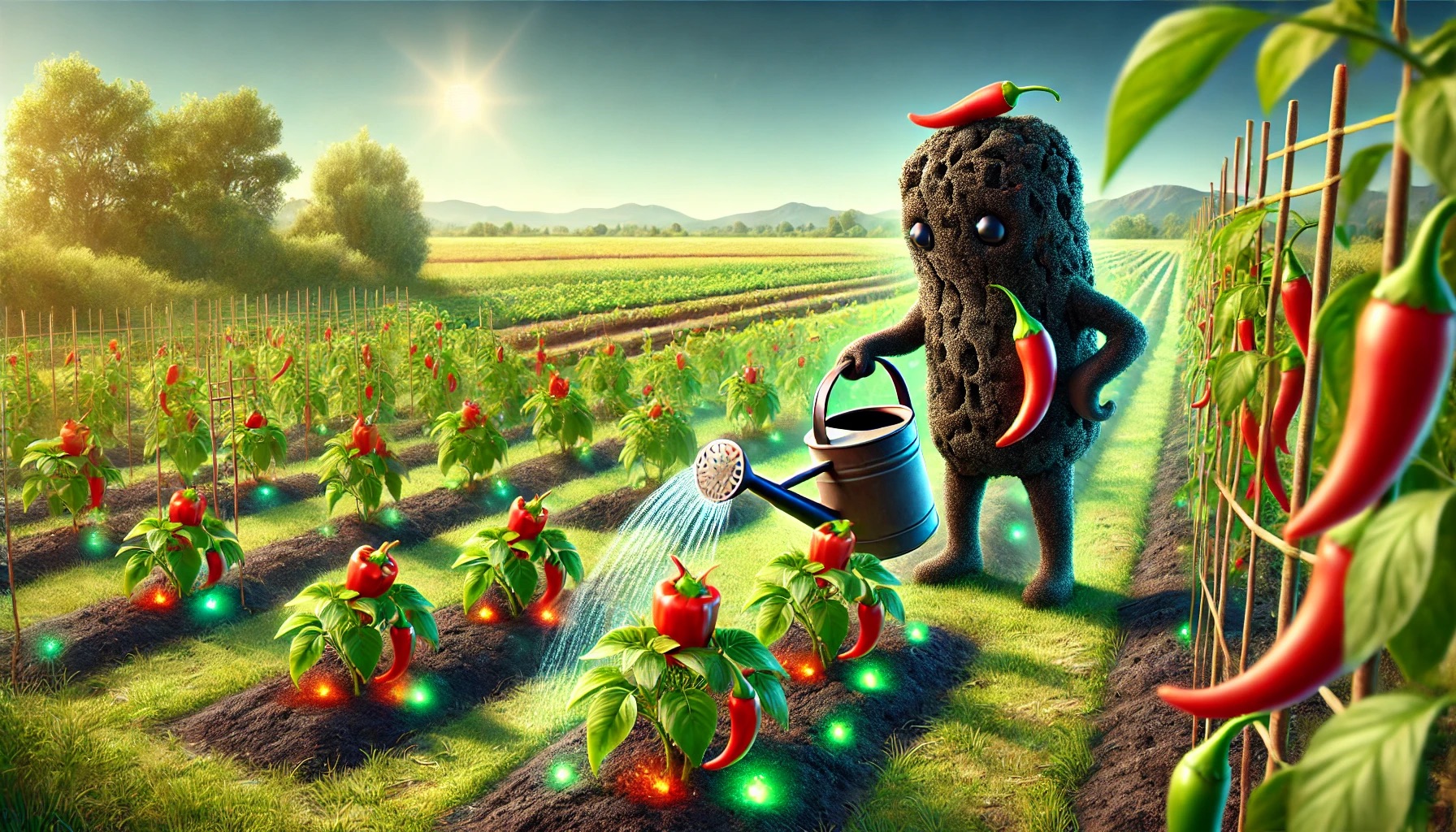
Biochar, known for its ability to influence soil-plant-microbe interactions, is being explored as a tool to manage plant diseases. This study investigated the effects of biochar made from Syzygium cumini leaf waste on bacterial wilt in chili plants caused by Ralstonia solanacearum. Three chili cultivars (Capsicum annuum L.)—F1 Zenia, Desi Chili, and F1 Green Queen—were grown in soil amended with biochar at 3% and 6% concentrations, combined with 20% compost.
The results revealed that biochar positively impacted plant growth across all cultivars, even when subjected to bacterial wilt. Notably, biochar significantly reduced the disease incidence (DI) and percentage disease index (PDI) in all chili varieties. However, only the F1 Green Queen cultivar demonstrated complete resistance to bacterial wilt when treated with 6% biochar.
The study also highlighted that the plant’s defense response varied with the biochar concentration, plant type, and specific biochemical markers, such as phenolics, catalases, and flavonoid levels. This suggests that both biochar properties and the inherent qualities of the chili cultivar play a critical role in disease resistance.
These findings contribute to a deeper understanding of how biochar can enhance plant resistance and offer insights into cultivar-specific responses to bacterial wilt, which could guide future biochar applications in sustainable agriculture.



Leave a Reply