
Junying, et al (2024) BiocharBiochar is a carbon-rich material created from biomass decomposition in low-oxygen conditions. It has important applications in environmental remediation, soil improvement, agriculture, carbon sequestration, energy storage, and sustainable materials, promoting efficiency and reducing waste in various contexts while addressing climate change challenges. More promotes compost humification by regulating bacterial and fungal communities. Front. Microbiol. Sec. Microbiological Chemistry and Geomicrobiology. doi: 10.3389/fmicb.2024.1470930
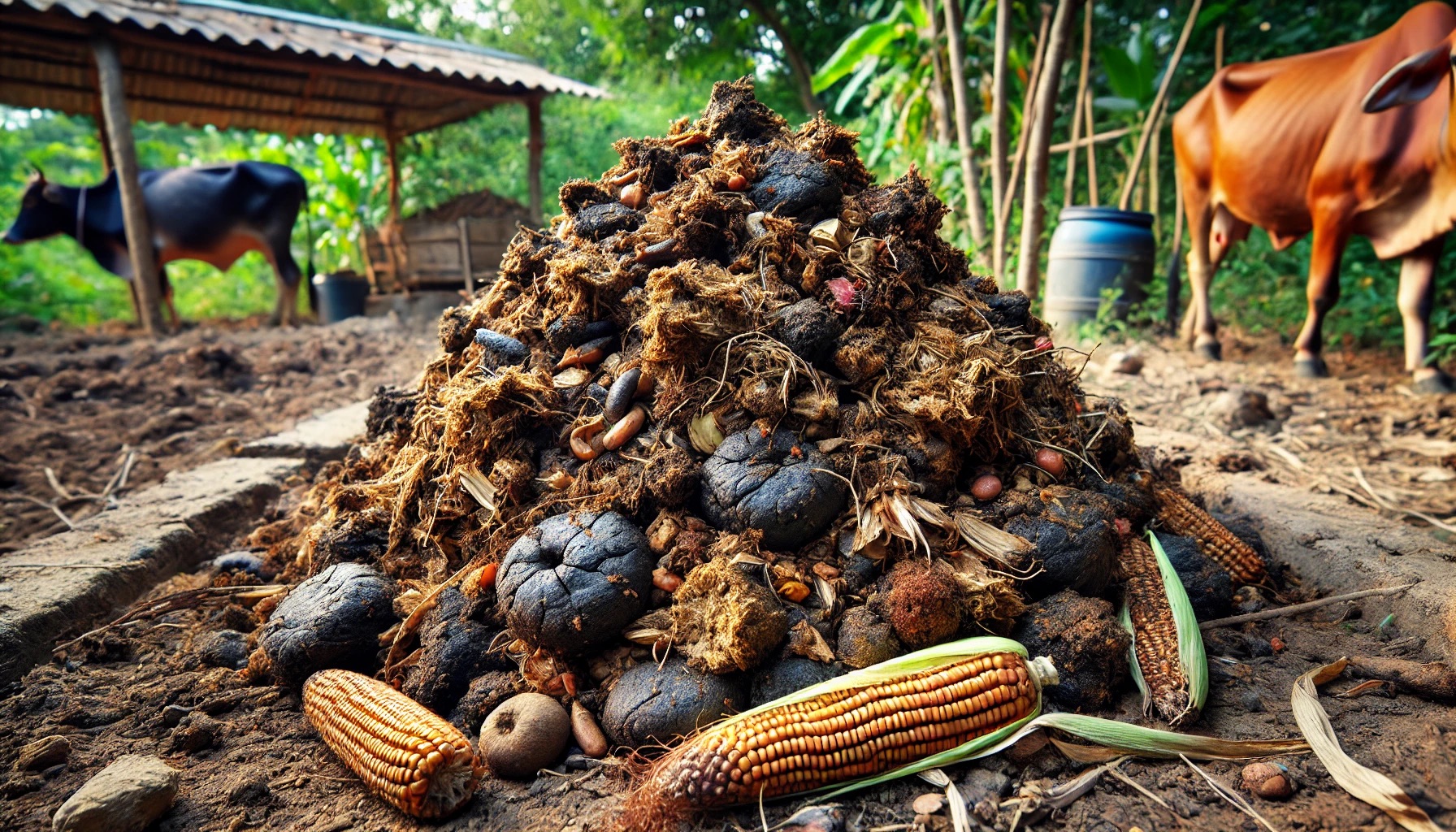
This study explored how biochar affects humus formation in compost by examining microbial interactions. Compost made from cow dung and maize stover was used as the control group, while a treatment group included 10% biochar. Researchers investigated how bacterial and fungal communities influence humus formation during the composting process.
The findings revealed that adding biochar increased humic acid content by 24.82% during the cooling stage and 25.10% during the maturation stage. The degree of polymerization during the maturation phase rose by 90.98%, accelerating the compost’s humification process. Additionally, biochar raised the amount of reducing sugar in the compost during the thermophilic and maturation stages by 51.34% and 31.40%, respectively. These sugars supported the Maillard reaction, further boosting humus formation.
The presence of biochar also reduced the number of genera associated with humus precursors by 35, while increasing the number of humus-synthesizing genera by two. This shift enhanced the stability of microbial networks between bacteria and fungi, which play a crucial role in the humification process. Ultimately, biochar increased the compost’s capacity for humus formation by fostering microbial activity and encouraging the Maillard reaction.
The study deepens our understanding of how biochar regulates the composting process and promotes efficient humus formation through microbial pathways.



Leave a Reply