
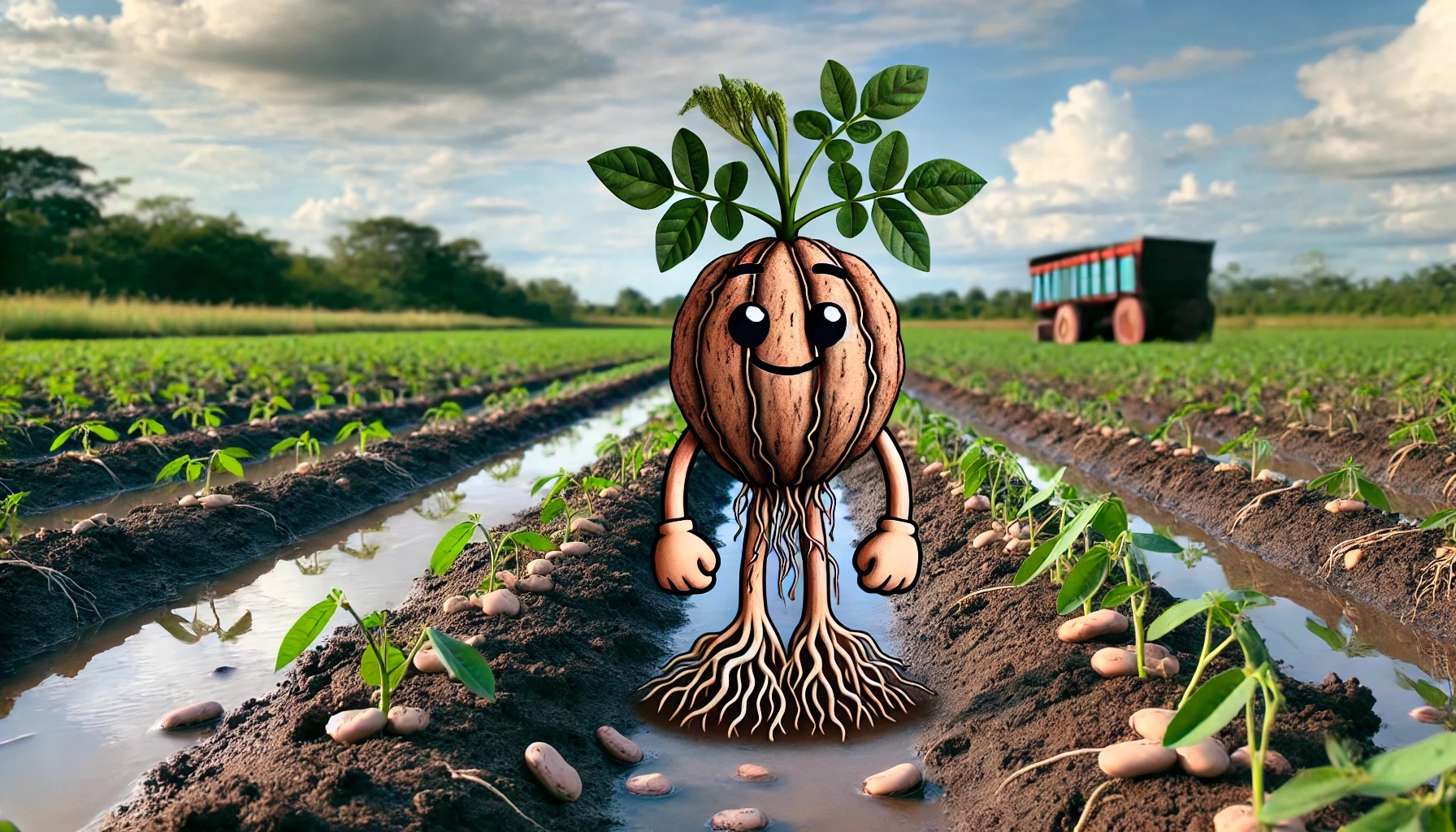
Nasiri, M., Andalibi, B., Khomari, S., & Goli Kalanpa, E. (2024). Changes in shoots, roots and yield of bean (Phaseolus vulgaris L.) seeds with the application of biocharBiochar is a carbon-rich material created from biomass decomposition in low-oxygen conditions. It has important applications in environmental remediation, soil improvement, agriculture, carbon sequestration, energy storage, and sustainable materials, promoting efficiency and reducing waste in various contexts while addressing climate change challenges. More and salicylic acid in saline soil. Environmental Stresses in Crop Sciences. doi: 10.22077/escs.2024.6591.2230
Soil salinization is a growing issue in agriculture, particularly in arid regions like Iran, where salt stress significantly impacts crop productivity. A recent study explored the use of biochar and salicylic acid as tools to mitigate the negative effects of salinity on the common bean (Phaseolus vulgaris).
The research employed a factorial experiment, testing four levels of biochar and three concentrations of salicylic acid across soils with varying salinity levels. Results revealed that the application of simple biochar (2.5% by weight) improved plant growth, especially in non-saline and moderately saline soils. The combination of biochar and salicylic acid had notable positive effects on plant height, leaf number, and pod count. However, at high salinity levels, bean dry weight decreased significantly, despite the use of biochar and salicylic acid.
Interestingly, biochar modified with phosphoric acid increased the number of leaves in non-saline conditions but showed less beneficial effects under saline stress. Conversely, sulfuric acid-modified biochar led to a significant reduction in grain yield across all treatments.
The findings suggest that while biochar, especially simple biochar, can alleviate some of the detrimental impacts of salinity on beans, its effectiveness diminishes at higher salinity levels. Salicylic acid, especially at lower concentrations, also improved certain growth characteristics under stress, highlighting the potential for integrated approaches in managing crop growth in saline environments.



Leave a Reply