

S. Qasim, S. Gul, T. Ziad, A.W. Yunus, R.U. Khan, A. Akbar, H. Buriro, Influence of composted manures and co-composted biocharBiochar is a carbon-rich material created from biomass decomposition in low-oxygen conditions. It has important applications in environmental remediation, soil improvement, agriculture, carbon sequestration, energy storage, and sustainable materials, promoting efficiency and reducing waste in various contexts while addressing climate change challenges. More on growth performance of saffron and soil nutrients under varying electrical conductivity soil conditions: a two-year field study, Journal of Agriculture and Food Research, https://doi.org/10.1016/j.jafr.2024.101467.
A recent two-year study explored how composted manures and co-composted biochar affect saffron growth in soils with different salinity levels. The research focused on two types of soils: non-saline soil with low organic matter and slightly saline soil with higher organic content. The study aimed to understand whether these organic fertilizers could improve saffron yield and soil nutrient content.
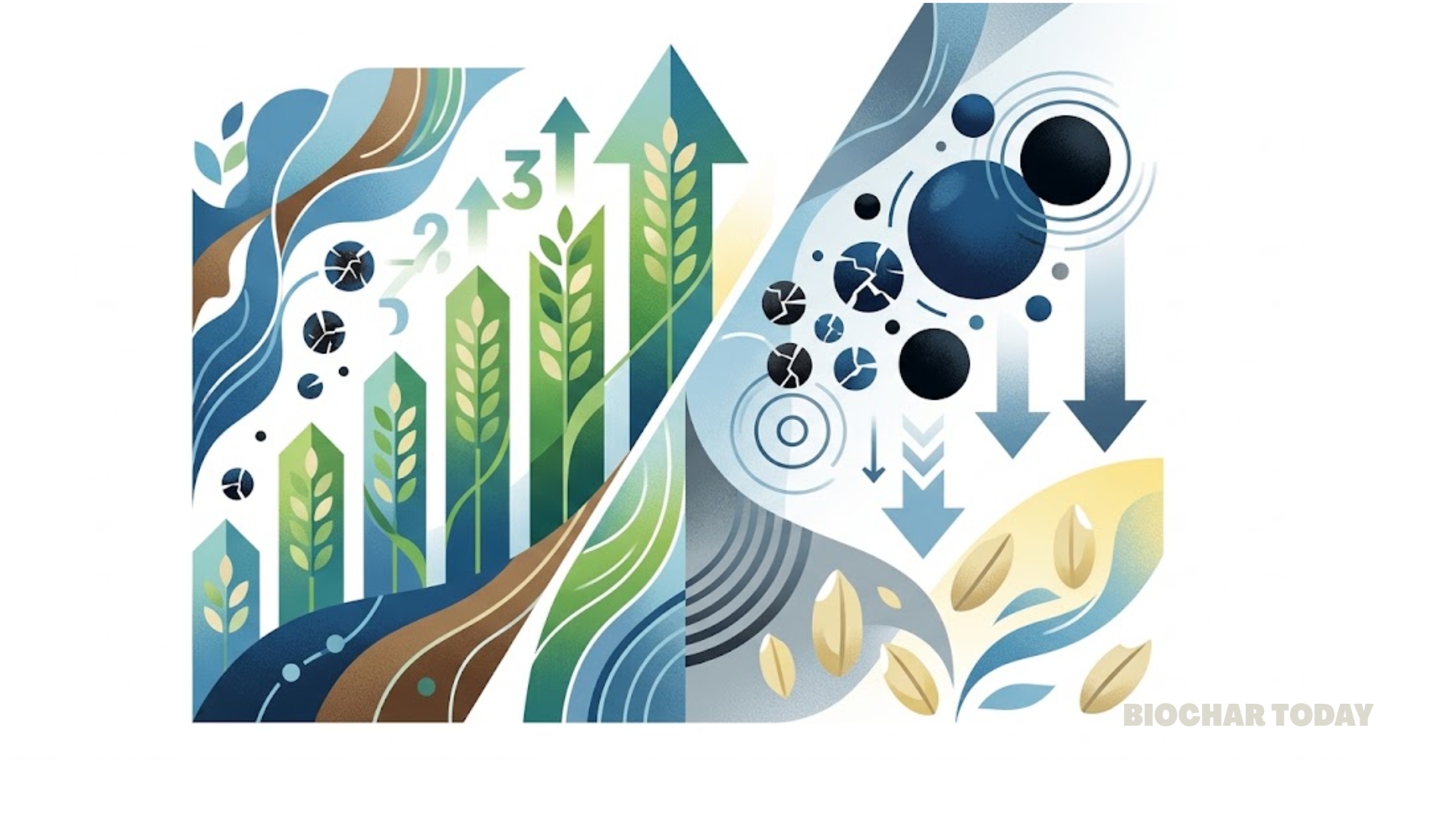
In non-saline soil, the first year of fertilizer application unexpectedly reduced saffron yield, likely due to low organic matter and the simultaneous planting of saffron corms. However, in the second year, these negative effects diminished. In saline soil, the fertilizers, particularly farmyard manure (FYM) and poultry manure (PM), improved saffron yield by over 40% in the second year. This suggests that organic amendments, especially over longer periods, can alleviate the stress caused by salinity on saffron.
The study also revealed significant increases in soil phosphorus and potassium concentrations in both soil types after two years of fertilizer application. However, in non-saline soil, some fertilizers increased sodium uptake, which reduced the potassium-to-sodium ratio in saffron leaves, potentially limiting yield.
Overall, while the initial application of these fertilizers in non-saline soils may reduce yield, their long-term use, especially in saline soils, shows promise in enhancing saffron production and improving soil nutrient availability. The findings suggest that for optimal results, organic fertilizers should be applied several months before planting.


Leave a Reply