

Wang, et al (2024) Straw-derived biocharBiochar is a carbon-rich material created from biomass decomposition in low-oxygen conditions. It has important applications in environmental remediation, soil improvement, agriculture, carbon sequestration, energy storage, and sustainable materials, promoting efficiency and reducing waste in various contexts while addressing climate change challenges. More regulates soil enzyme activities, reduces greenhouse gas emissions, and enhances carbon accumulation in farmland under mulching. Field Crops Research. https://doi.org/10.1016/j.fcr.2024.109547
A recent study published in Field Crops Research investigates the impact of straw-derived biochar on soil quality, greenhouse gas (GHG) emissions, and carbon accumulation in dryland farming. Conducted in Ningxia, China, the study compared six different farming treatments over two growing seasons to determine how biochar, straw, and film mulching affect soil properties and maize yields.
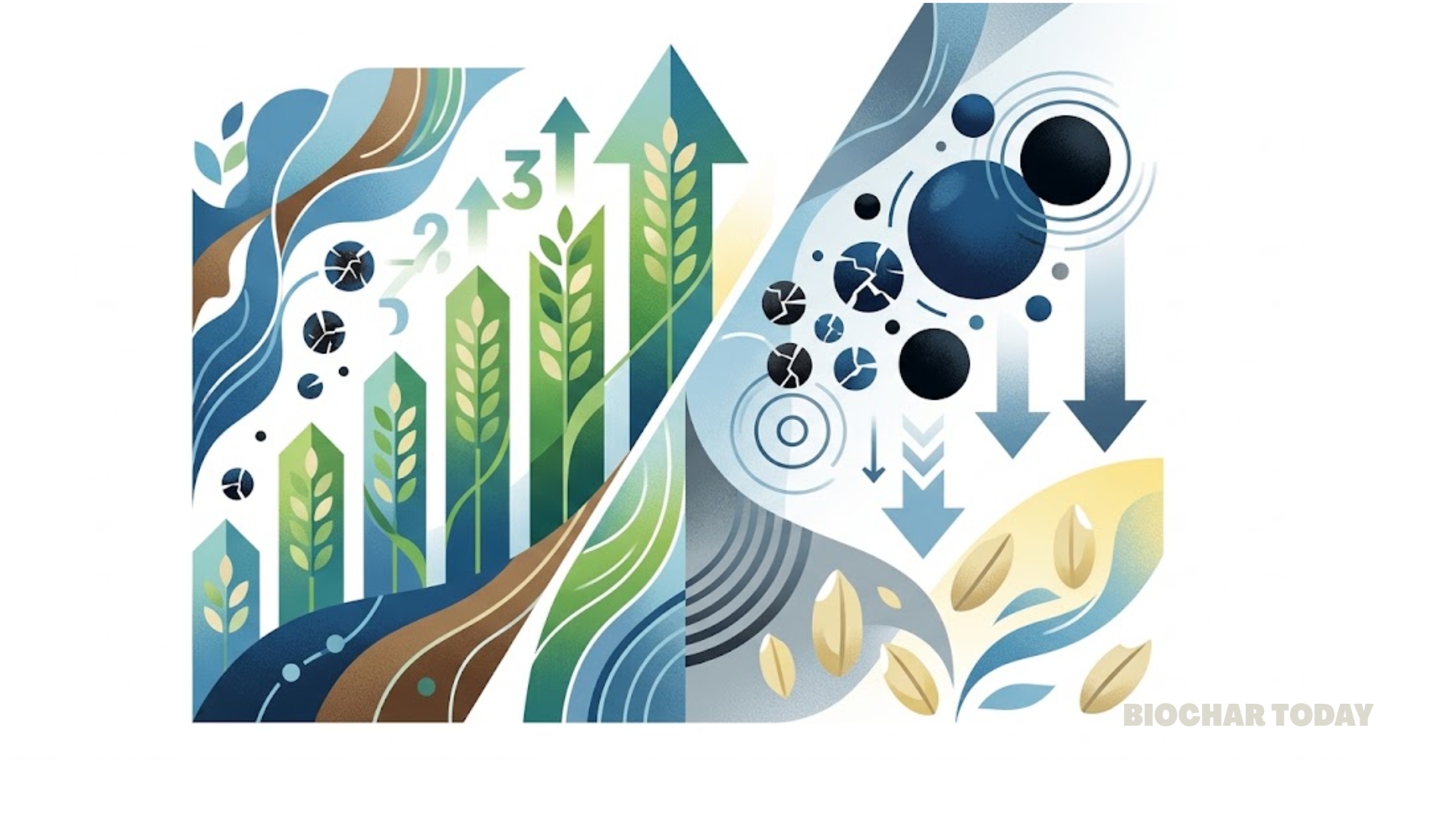
The results showed that mulching improved maize yields by 29.32% but also increased GHG emissions, primarily CO2 and N2O, and led to reduced soil organic carbon storage (SOCS). Straw incorporation, while increasing plant-fixed carbon, had mixed effects on GHG emissions and inhibited methane (CH4) uptake.
Biochar outperformed straw in several key areas. Film mulching combined with biochar reduced CO2 and N2O emissions by 9.93% and 20.97%, respectively, and increased soil carbon storage by 3.42%. Additionally, biochar enhanced soil enzyme activities and carbon use efficiency, suggesting that it promotes better soil health and long-term sustainability. Biochar also improved methane uptake and reduced the net global warming potential of the farming system by 7.08%.
The study concludes that incorporating biochar, rather than straw, is a more effective strategy for reducing the environmental impact of mulched farmland while boosting soil health and crop yields. These findings provide valuable insights for developing more sustainable agricultural practices in semiarid regions.



Leave a Reply