

Yao, et al (2024) Simultaneous regulation of nitrogen, sulfur and carbon using biocharBiochar is a carbon-rich material created from biomass decomposition in low-oxygen conditions. It has important applications in environmental remediation, soil improvement, agriculture, carbon sequestration, energy storage, and sustainable materials, promoting efficiency and reducing waste in various contexts while addressing climate change challenges. More during sewage sludge pyrolysisPyrolysis is a thermochemical process that converts waste biomass into bio-char, bio-oil, and pyro-gas. It offers significant advantages in waste valorization, turning low-value materials into economically valuable resources. Its versatility allows for tailored products based on operational conditions, presenting itself as a cost-effective and efficient More. Renewable Energy. https://doi.org/10.1016/j.renene.2024.121413
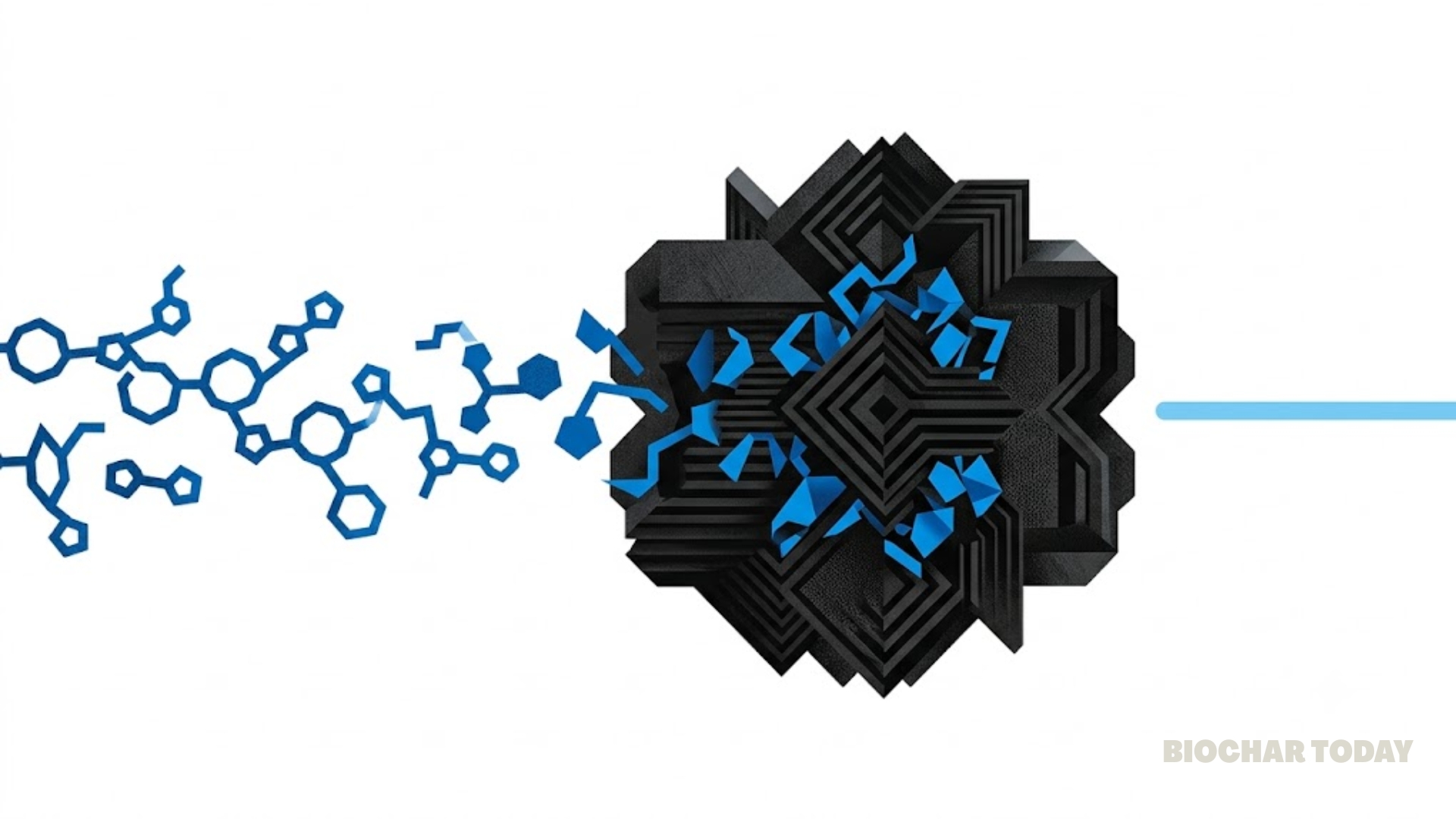
A recent study explores how biochar can regulate nitrogen (N), sulfur (S), and carbon (C) emissions during the pyrolysis of sewage sludge (SS). Pyrolysis, a process where biomassBiomass is a complex biological organic or non-organic solid product derived from living or recently living organism and available naturally. Various types of wastes such as animal manure, waste paper, sludge and many industrial wastes are also treated as biomass because like natural biomass these More decomposes at high temperatures without oxygen, has potential for waste reduction and energy generation. However, controlling pollutant emissions during SS pyrolysis remains a challenge due to the complexity of SS composition.
The research investigates the release of N-, S-, and C-containing gases, which can contribute to environmental pollution. Biochar, a carbon-rich material with high surface area and porosityPorosity of biochar is a key factor in its effectiveness as a soil amendment and its ability to retain water and nutrients. Biochar’s porosity is influenced by feedstock type and pyrolysis temperature, and it plays a crucial role in microbial activity and overall soil health. Biochar More, was added during SS pyrolysis to reduce the emission of these gases. Results showed significant reductions in pollutants such as NH₃, HCN, SO₂, and CO₂, with decreases ranging from 40% to 67%.
The study found that biochar influenced the transformation of nitrogen and sulfur compounds, leading to more stable forms in the residue. For instance, quaternary-N and thiophene-S species increased in the pyrolysis products, indicating a shift towards less volatile forms. Additionally, the degree of carbon graphitization increased, reducing structural defects.
This research demonstrates biochar’s potential as a low-cost, sustainable solution for managing emissions during SS pyrolysis. It highlights the need for further investigation into biochar’s regulatory mechanisms to optimize its use in bioenergy production and pollution control.



Leave a Reply