


Heavy metal pollution in soils, particularly cadmium (Cd), poses significant risks to both the environment and human health. Traditional biochar has been widely used to address this issue, but its effectiveness is often limited by the availability of functional groups and adsorption sites. A recent study published in Environmental Pollution explores a new approach: the use of silicon-activated rice husk biochar to enhance cadmium remediation.
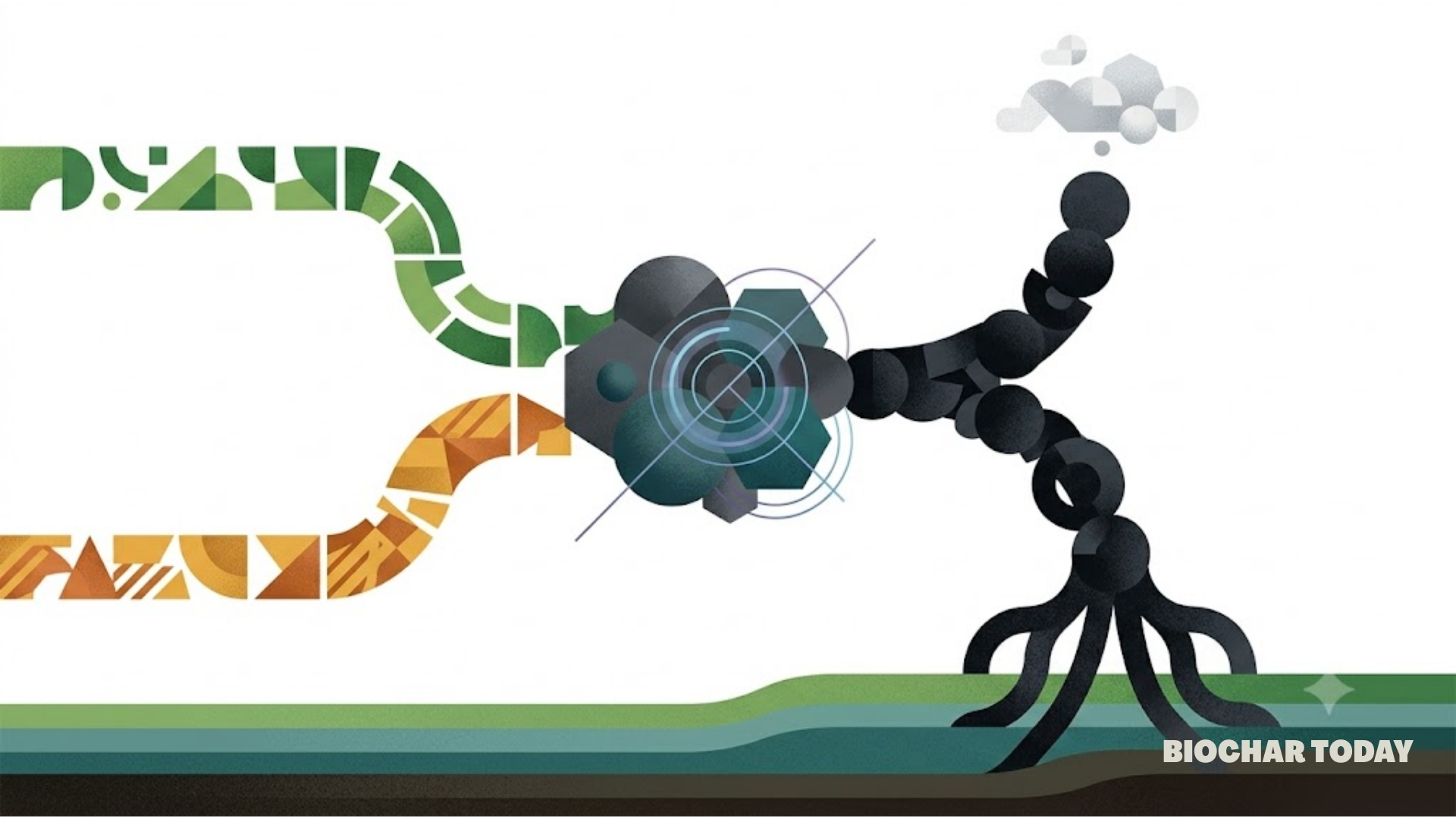
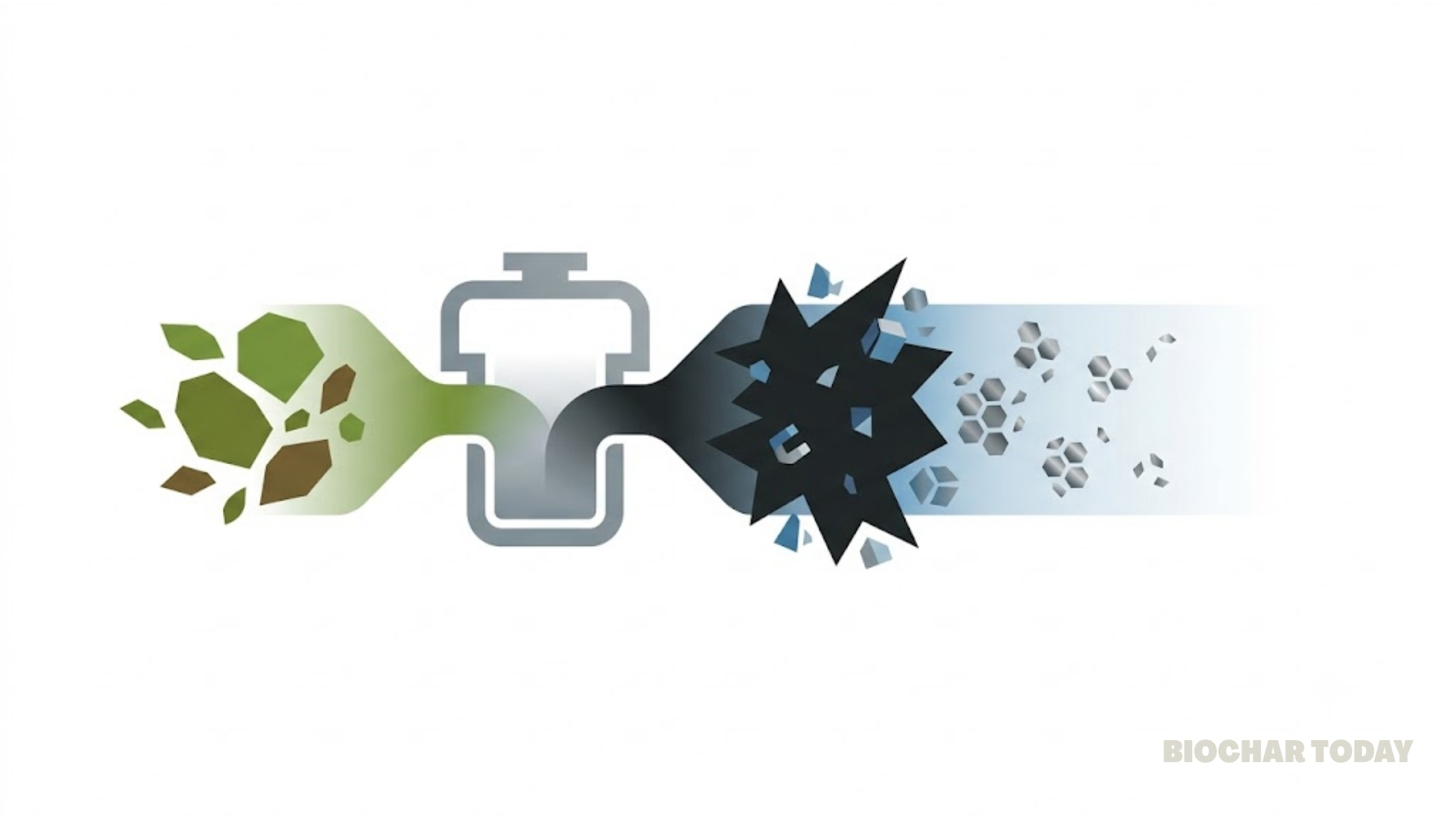
This method involves transforming the naturally occurring silicon in rice husk biochar from an inert amorphous form into active silicate through chemical treatments. By treating the biochar with sodium hydroxide and calcium salts, researchers were able to increase its capacity to immobilize cadmium. This transformation promotes the formation of stable cadmium compounds like CdSiO3 and CdCO3, effectively reducing the mobility of cadmium in contaminated soils.
The study found that a 1% application of silicon-activated biochar, with a calcium-to-silicon ratio of 2:2, decreased the concentration of cadmium in water and calcium chloride extracts by over 80% compared to untreated biochar. This approach offers not only better short-term remediation but also long-term stability, reducing environmental risks.
This breakthrough highlights the potential of silicon-activated biochar as an effective, low-cost solution for heavy metal contamination, particularly in agricultural soils, providing a promising alternative to traditional remediation techniques.

Leave a Reply