
Wu, et al (2024) Electric Field-Inducing Phosphorization to CoP@BiocharBiochar is a carbon-rich material created from biomass decomposition in low-oxygen conditions. It has important applications in environmental remediation, soil improvement, agriculture, carbon sequestration, energy storage, and sustainable materials, promoting efficiency and reducing waste in various contexts while addressing climate change challenges. More Composites for Efficient Bifunctional Oxygen Electrocatalysis. Green Chemistry. https://doi.org/10.1039/D4GC00551A
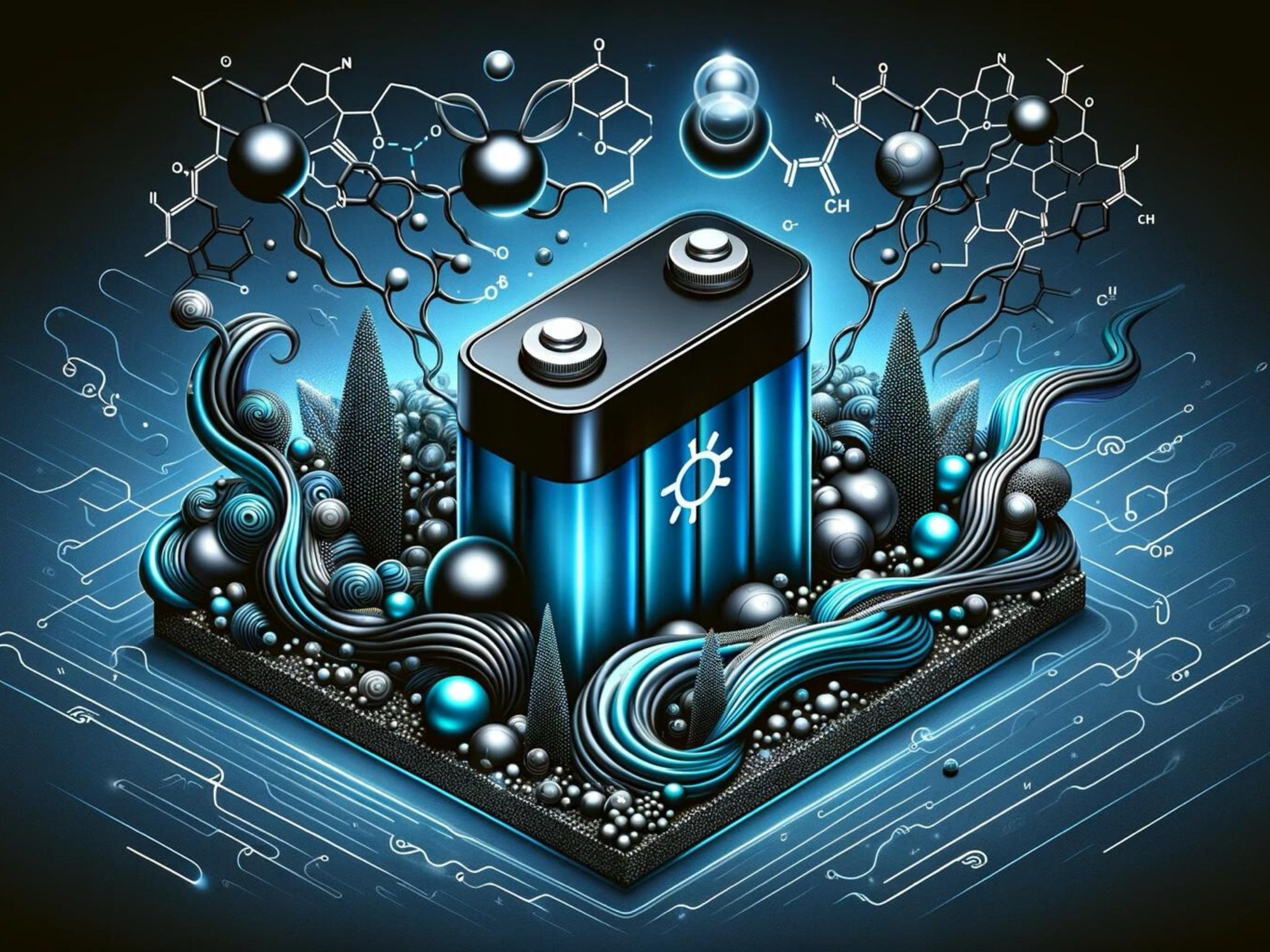
The development of Zinc-air batteries (ZABs) has historically been hindered by inefficient oxygen evolution and reduction reactions. A groundbreaking method proposed by researchers could dramatically shift this narrative by introducing a novel way to synthesize bifunctional catalysts at room temperature, promising to boost the performance and feasibility of ZABs.
This new approach utilizes an electric field to induce phosphorization, merging nitrogen-doped carbon with cobalt phosphide (CoP) nanoparticles. This method not only sidesteps the need for harsh synthesis conditions but also ensures a safe, non-toxic, and highly controllable process. The result is a catalyst that showcases a significantly narrow potential gap of just 0.65 volts between the half-wave potential for oxygen reduction reaction (ORR) and the potential for oxygen evolution reaction (OER). This performance is unparalleled, particularly among wood-derived carbon-based catalysts.
The practical applications of this technology are promising. In aqueous ZABs equipped with this optimized catalyst, a high discharge specific capacity of 805.8 mAh gZn^-1 was achieved, along with remarkable long-term cycling stability extending over 1200 cycles. Similarly, the quasi-solid-state ZABs demonstrated a robust discharge-specific capacity of 760.5 mAh gZn^-1. The catalyst’s exceptional performance is attributed to the synergistic effects between the dual active sites of CoP and nitrogen-doped wood carbon (NWC), fostered by the electric field.
This innovation not only paves the way for more efficient and sustainable battery technologies but also offers a new perspective on utilizing biomassBiomass is a complex biological organic or non-organic solid product derived from living or recently living organism and available naturally. Various types of wastes such as animal manure, waste paper, sludge and many industrial wastes are also treated as biomass because like natural biomass these More for advanced catalysts under ambient conditions. It marks a significant stride in making zinc-air batteries a more viable and environmentally friendly option for energy storage.




Leave a Reply