
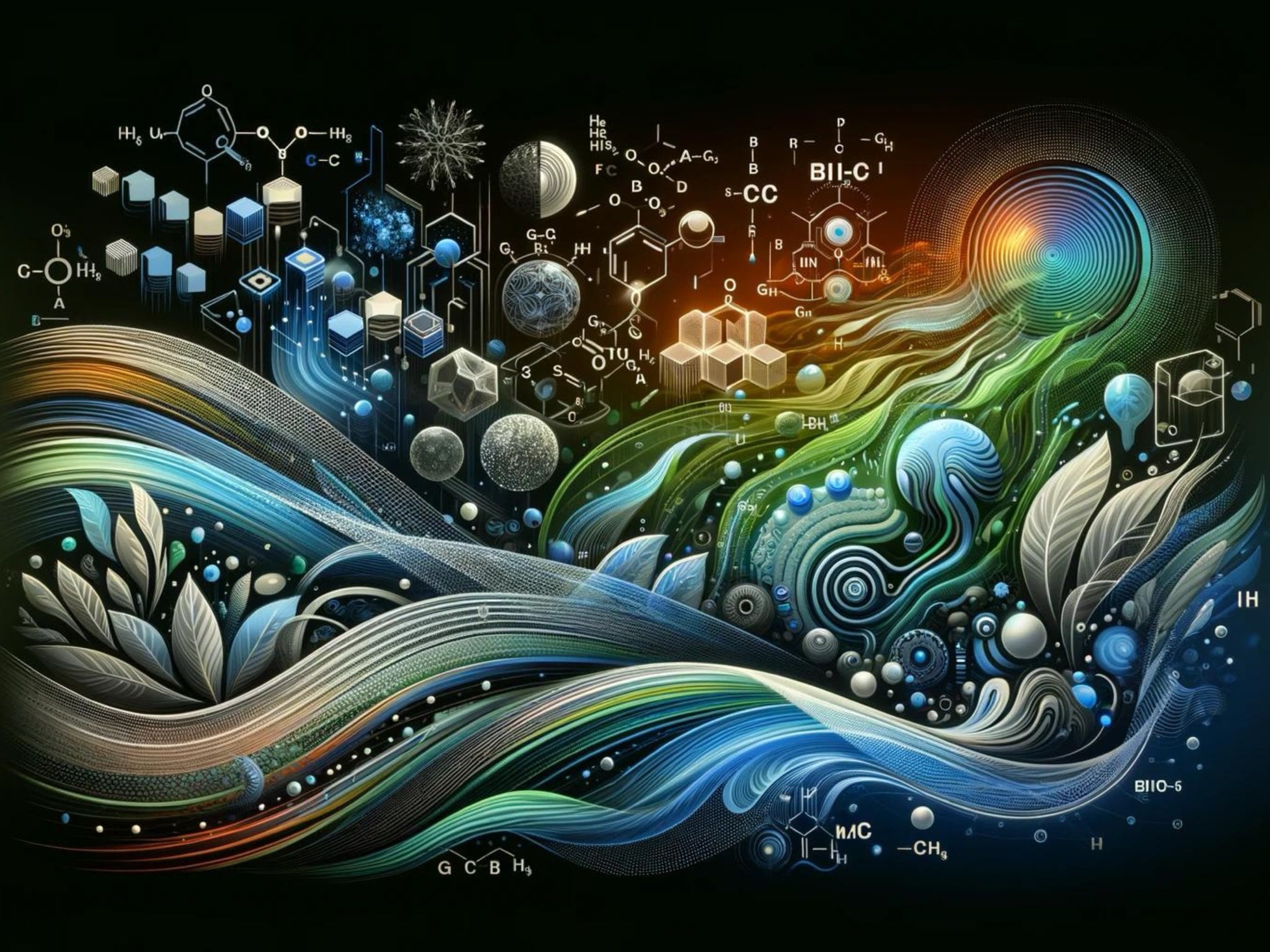

In recent advancements in environmental technology, the utilization of photocatalysis for pollutant degradation has garnered significant attention. A groundbreaking study explored the effectiveness of a new photocatalyst composite, BiOI/g-C3N4/Bi2WO6/Biochar, specifically targeting the decomposition of the dye methylene blue (MB). This research highlighted the pivotal role of biochar, which acts as a support material that enhances light absorption and electron conductivity. These properties are crucial for preventing the rapid recombination of electron-hole pairs during photocatalysis, thus improving the efficiency of the process.
The study demonstrated that the addition of biochar to the composite significantly increased both the photoactivity and stability of the catalyst. When tested for MB degradation, the photocatalyst showed impressive rate constants, markedly outperforming other configurations such as g-C3N4/Bi2WO6/BiOI and single-component systems like g-C3N4 and Bi2WO6 alone. Notably, the BiOI/g-C3N4/Bi2WO6/Biochar composite achieved a degradation efficiency of 97.56% within just 70 minutes.
Further investigations using scavenger and electron spin resonance (ESR) studies identified hydroxyl radicals, superoxide anions, and holes as the main active species contributing to the dye’s photodegradation. Additionally, detailed analysis using Density Functional Theory (DFT) calculations and gas chromatography-mass spectrometry (GC-MS) provided insights into the degradation pathways, confirming the enhanced activity of the quaternary composite.
This study not only showcases a novel and effective approach to photocatalytic degradation of pollutants but also presents a cost-effective and scalable strategy for environmental cleanup applications. The findings suggest a promising direction for future research and potential large-scale implementations of this technology.




Leave a Reply