
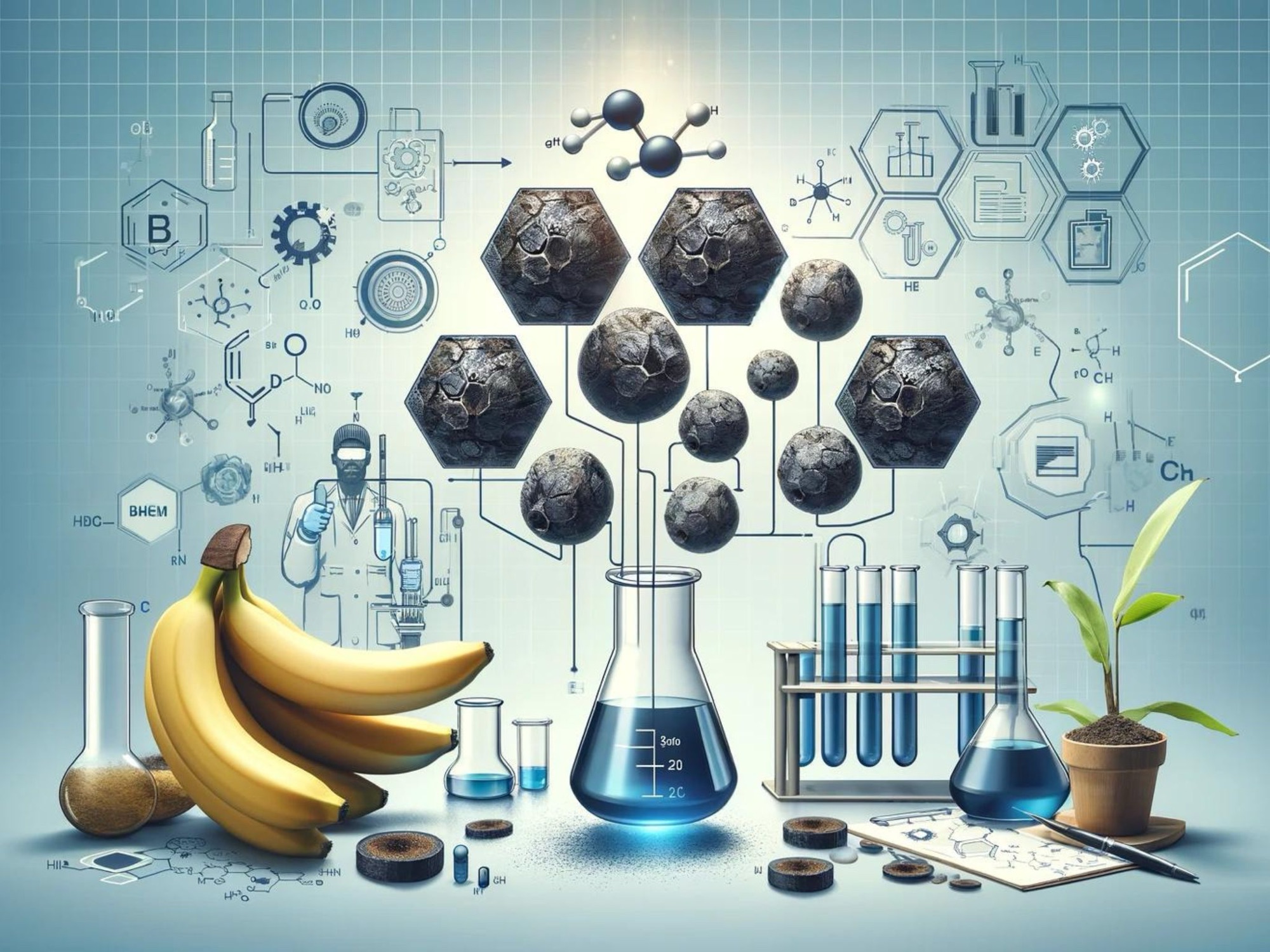

In an innovative approach to sustainable biodiesel production, researchers have developed biochar-based catalysts from banana peels enhanced with alkali carbonates to process waste frying oil. These catalysts, prepared at 350 °C and 400 °C, showcase dual functionality with both acidic and basic characteristics. The catalysts’ effectiveness in biodiesel production has been significantly enhanced by incorporating alkali elements like sodium, lithium, and potassium, which assist in the graphitization of the biochar, thus altering its morphology and oxygen content.
The study reveals that the best-performing catalyst, created at 350 °C without alkali modifiers, achieved an impressive 97.5% fatty acid methyl ester (FAME) yield, utilizing waste frying oil with minimal acidity. This catalyst not only promotes efficient triglyceride transesterification but also offers a cost-effective solution by producing high-quality glycerin, eliminating the need for homogeneous catalytic processes typically used in the industry.
This research underscores the potential of using agricultural waste products like banana peels in creating high-performance, environmentally friendly catalysts for biodiesel production. By replacing traditional homogeneous catalysts with these novel heterogeneous ones, we can reduce production costs and enhance sustainability in the biodiesel industry. The success of these biochar catalysts opens new avenues for further research and optimization, aiming to scale these processes for industrial applications and make biodiesel a more accessible alternative to fossil fuels.




Leave a Reply