
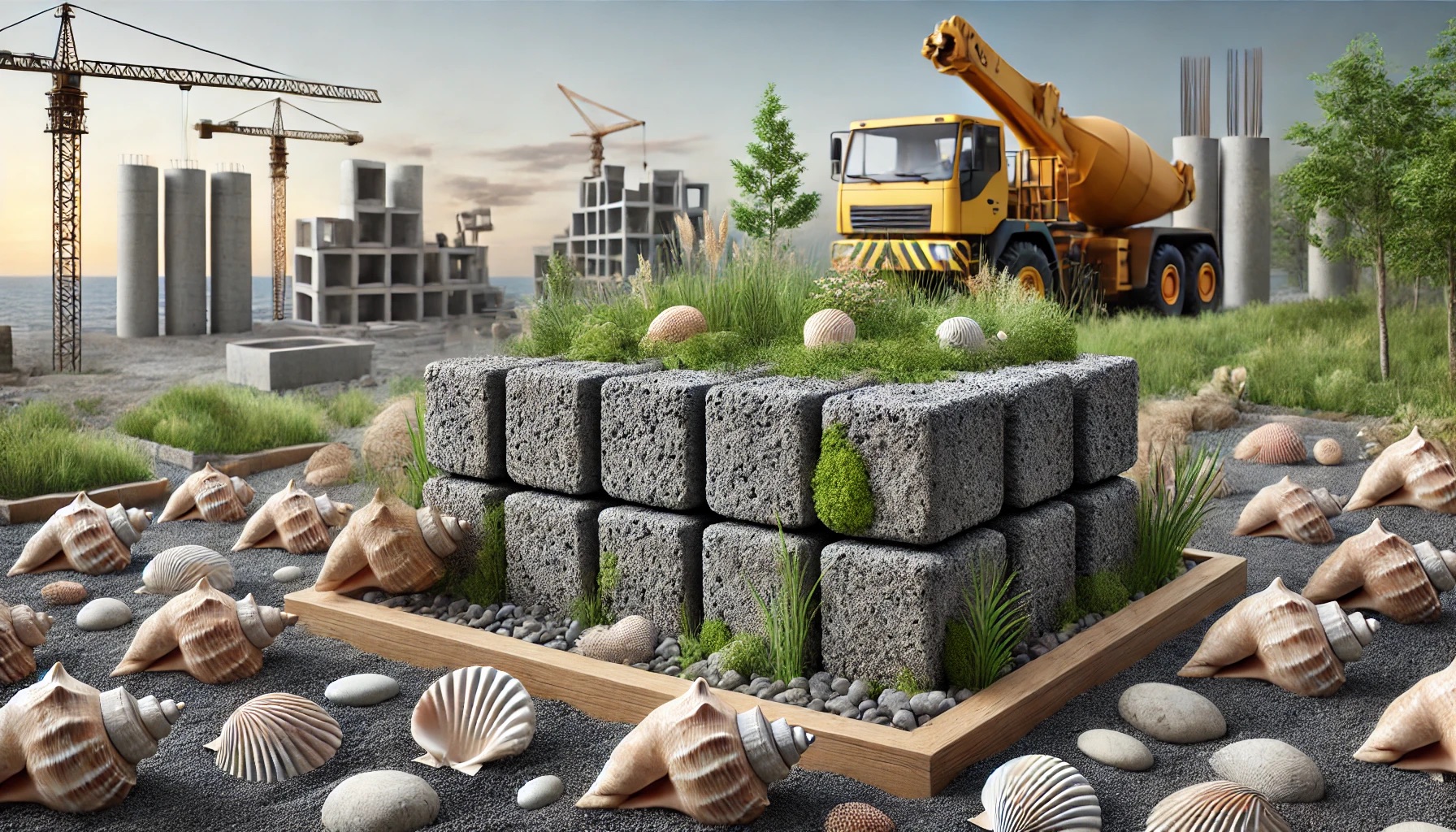

A recent study published in Construction and Building Materials explores a breakthrough approach to improving biochar-cement composites by using recycled seashells. Led by Weijian Xu and colleagues, the research focuses on addressing a key challenge: while biocharBiochar is a carbon-rich material created from biomass decomposition in low-oxygen conditions. It has important applications in environmental remediation, soil improvement, agriculture, carbon sequestration, energy storage, and sustainable materials, promoting efficiency and reducing waste in various contexts while addressing climate change challenges. More made from wood waste is an eco-friendly substitute for cement, excessive biochar often weakens the material’s strength. To counter this, the team developed a novel solution by modifying the biochar with oyster shells.
This seashell-modified biochar (SBC) proved highly effective in enhancing the properties of cement composites. Remarkably, a 30% biochar substitution using the modified version increased compressive strength by 58.2%. The enhanced performance is largely due to the improvements at the interfacial transition zone (ITZ)—the critical region where the cement binds with other materials. The shell-modified biochar led to a denser, more cohesive bond within the composite, accelerating hydration and promoting the development of a robust calcium-silicate-hydrate (C-S-H) gel network.
The study highlights the potential of upcycling both wood and seashell waste into value-added additives for the construction industry. By refining pore structures and strengthening the ITZ, the modified biochar could reduce carbon emissions while improving the durability and sustainability of cement composites. This innovative approach offers a promising step toward greener, stronger building materials for future construction.





Leave a Reply