


da Rocha, A.R., Soares, F.L.F., Mangrich, A.S. et al. Synergetic effect of heating rate, temperature, and residence timeResidence time refers to the duration that the biomass is heated during the pyrolysis process. The residence time can influence the properties of the biochar produced. More of modified agro-industrial waste biochars on phosphate adsorption. Int. J. Environ. Sci. Technol. (2024). https://doi.org/10.1007/s13762-024-05857-5
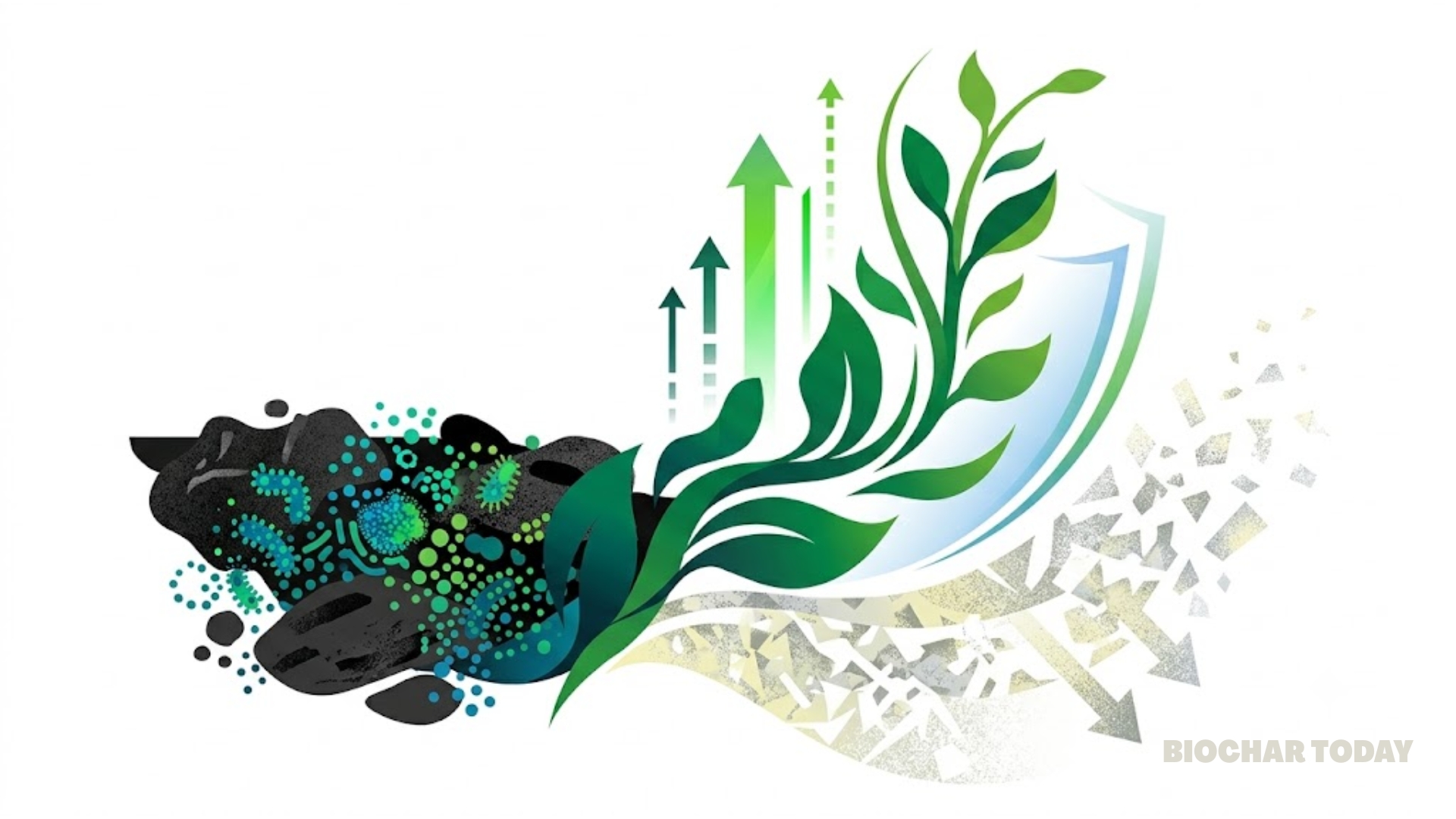
Phosphorus, a non-renewable resource vital for humanity, has become a significant aquatic pollutant due to its discharge in treated and untreated sewage, leading to eutrophication. To address this issue, exploring phosphate recovery methods is crucial for ensuring food and water security. This study investigates the effects of heating rate, temperature, and residence timeThis refers to the amount of time that the biomass is heated during the pyrolysis process. The residence time can influence the characteristics of the biochar, such as its porosity and surface area. More on the production of sawdust calcium-biochar and their impact on phosphate removal. Using a Box–Behnken experimental design, the study assessed heating rates of 5°C/min, 10°C/min, and 15°C/min, temperatures of 350°C, 450°C, and 550°C, and residence times of 0, 30, and 60 minutes.
Phosphate removal rates ranged from 7.6% to 93%, with eleven products achieving over 70% removal. All independent variables significantly influenced phosphate removal, with temperature being particularly important. Statistical analyses confirmed the model’s applicability, with a total R2 of 97% and an adjusted R2 of 92%. Characterization techniques, such as BET, moisture, volatile matterVolatile matter refers to the organic compounds that are released as gases during the pyrolysis process. These compounds can include methane, hydrogen, and carbon monoxide, which can be captured and used as fuel or further processed into other valuable products. More, ashAsh is the non-combustible inorganic residue that remains after organic matter, like wood or biomass, is completely burned. It consists mainly of minerals and is different from biochar, which is produced through incomplete combustion. Ash Ash is the residue that remains after the complete More content, and FT-IR, helped explain the impact of these variables by examining pore size and functional groups on the biocharBiochar is a carbon-rich material created from biomass decomposition in low-oxygen conditions. It has important applications in environmental remediation, soil improvement, agriculture, carbon sequestration, energy storage, and sustainable materials, promoting efficiency and reducing waste in various contexts while addressing climate change challenges. More surface. XRD characterization further revealed the presence of calcium species on the biochar surface.
This study demonstrates that using a Box–Behnken design combined with response surface methodology is an effective way to explore biochar’s potential for phosphate recovery. This approach marks the first time such a comprehensive investigation has been conducted, highlighting biochar as a promising alternative for addressing phosphorus pollution and ensuring environmental sustainability.



Leave a Reply