
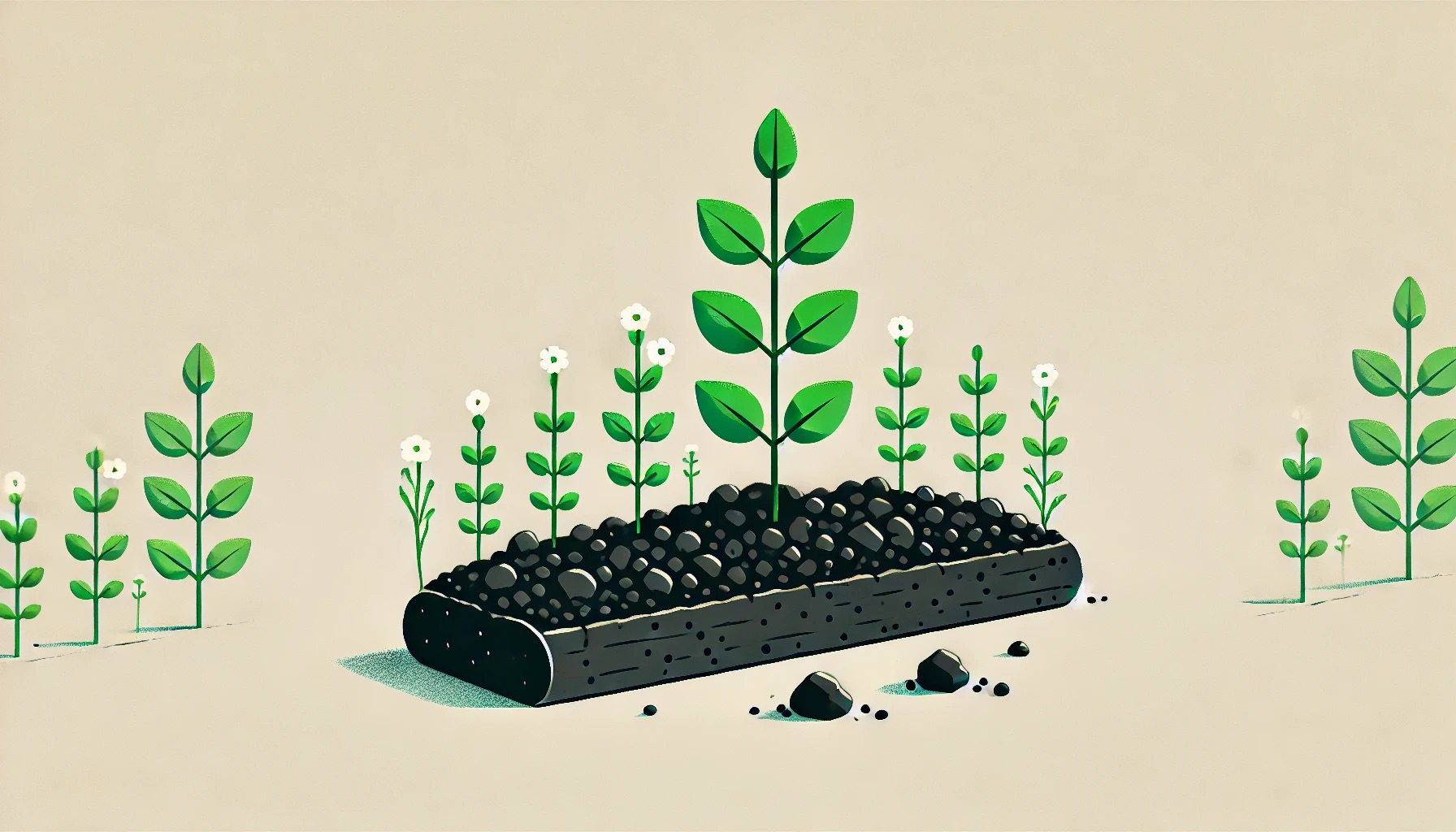

Sewage sludge-derived biocharBiochar is a carbon-rich material created from biomass decomposition in low-oxygen conditions. It has important applications in environmental remediation, soil improvement, agriculture, carbon sequestration, energy storage, and sustainable materials, promoting efficiency and reducing waste in various contexts while addressing climate change challenges. More offers a sustainable way to reduce industrial waste while improving soil health, but its production must consider safety concerns related to polycyclic aromatic hydrocarbons (PAHs). A recent study explored how pyrolysisPyrolysis is a thermochemical process that converts waste biomass into bio-char, bio-oil, and pyro-gas. It offers significant advantages in waste valorization, turning low-value materials into economically valuable resources. Its versatility allows for tailored products based on operational conditions, presenting itself as a cost-effective and efficient More conditions—temperature, heating rate, and duration—affect biochar properties and associated risks.
Researchers found that pyrolyzing sewage sludge at optimal conditions (700°C, 60 minutes, 5°C/min heating rate) reduced total PAH content by 48%, with significant decreases in low-molecular-weight compounds. However, high-molecular PAHs like chrysene, benzo(a)pyrene, and dibenz(a,h)anthracene remain concerning due to their carcinogenic potential. The study showed that children face higher cancer risks through oral and dermal exposure, while adults are more vulnerable to inhalation.
Despite these risks, biochar produced under optimal conditions meets international safety standards, making it suitable for agricultural applications. When applied at safe rates—up to 26 tons per hectare in fertile Haplic Chernozem soils—biochar enhances soil stability, water retention, and pollutant buffering without exceeding toxic thresholds.
This research highlights the importance of controlling pyrolysis parameters to maximize biochar’s agricultural benefits while minimizing health risks. Properly managed, sewage sludge biochar could serve as a valuable tool for reducing waste and enhancing soil fertility, especially in regions where industrial and agricultural areas overlap. However, continued monitoring of PAH levels and their long-term impact on soil and crops is essential for safe implementation.
By balancing functionality and safety, sewage sludge biochar can contribute to sustainable waste management and soil conservation efforts worldwide.



Leave a Reply